
Wide vs Narrow Hardwood: What Sells Better in Cumming?
Flooring choices can make a Cumming home feel modern or leave it looking stuck in the wrong era. When we weigh the pros and cons of wide vs narrow hardwood, resale value is usually the primary concern for homeowners.
Most buyers may not explicitly name the plank width when they walk through the front door, but they react to it immediately. Whether they are stepping onto the character of wide plank hardwood or the refined aesthetic of narrow plank hardwood, the floor sets the rhythm of the room. This rhythm shapes how open, polished, and well maintained the home feels to a potential buyer. While many homeowners consider engineered options, solid hardwood remains the gold standard that anchors this discussion on value.
The good news is simple: both options can help a sale. The key to maximizing your home’s appeal in the local market is to match the plank width to the architecture, the layout, and the overall condition of the existing floors.
Key Takeaways
- Prioritize Architectural Fit: The most successful resale choice is one that matches your home’s existing style and layout rather than blindly following current trends.
- Scale and Proportion Matter: Wide planks excel in large, open-concept spaces to enhance visual flow, while narrow planks provide necessary texture and detail to smaller or more traditional rooms.
- Condition Outshines Trends: Regardless of width, the overall condition—free of gaps, scratches, or uneven finishes—is far more important to potential buyers than the plank size itself.
- Installation is Everything: Professional subfloor preparation and proper acclimation are critical, as wider boards are generally more sensitive to seasonal humidity fluctuations than their narrower counterparts.
Plank width changes the whole first impression
When buyers enter a home, they do not study the floor piece by piece. Instead, they take in the space as a whole. The width of your floorboards affects that first glance because it changes how busy, calm, modern, or traditional the room feels.
Wide plank hardwood creates longer visual lines. Because there are fewer seams, rooms often look more open. That is a big reason why newer homes and open plans, which favor a modern style, tend to pair well with these wider options. In contrast, narrow plank hardwood adds more pattern and movement. These floors provide a sense of visual texture, making the space feel detailed, classic, and familiar.
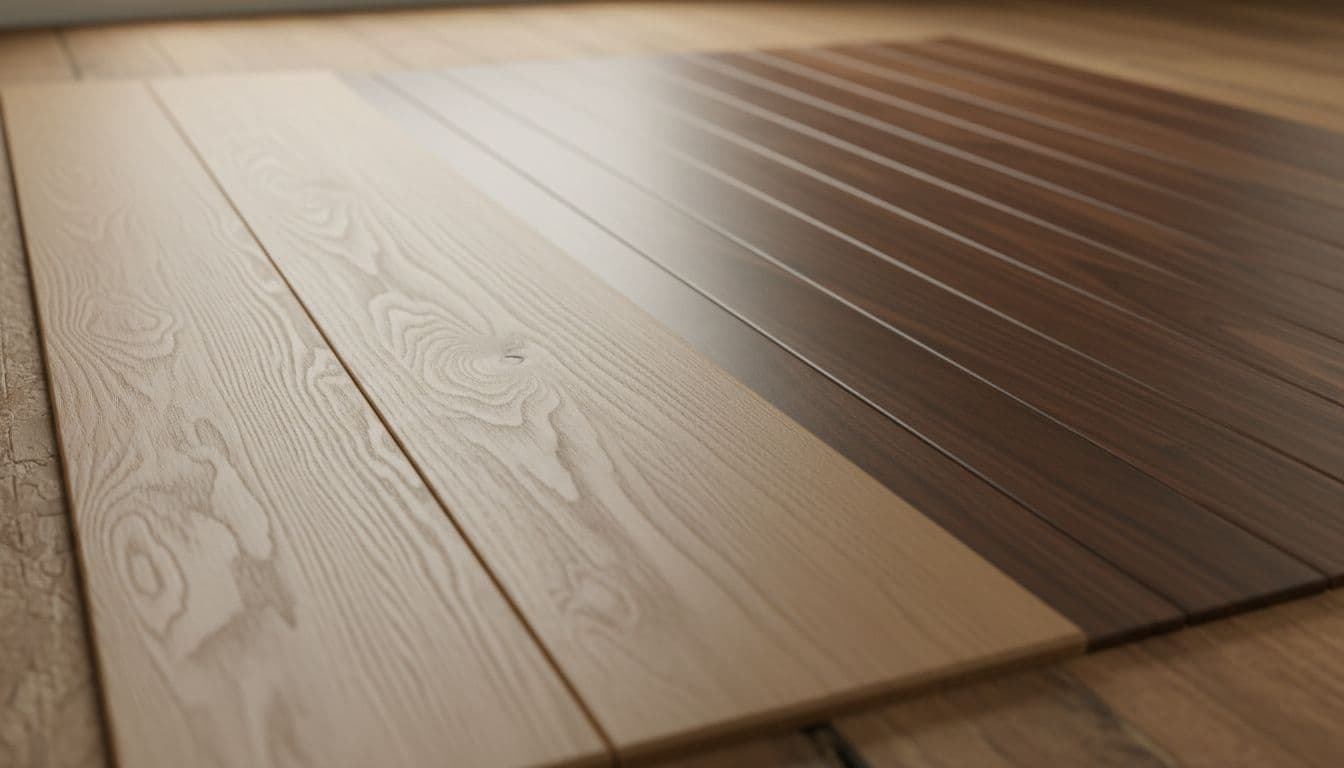
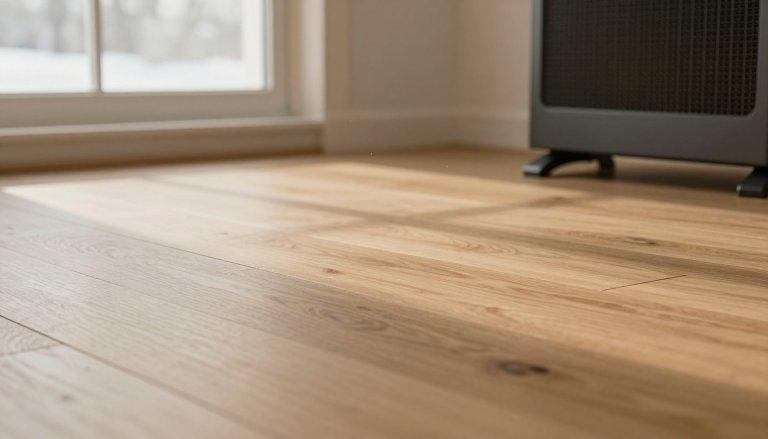
Wide and narrow planks give the same room a different visual pace.
Still, width alone does not decide resale. Condition matters more than trend. Scratches, cupping, hollow spots, uneven sheen, and sloppy transitions will stand out faster than plank size. A clean, well-finished narrow plank hardwood floor usually beats a poorly installed wide plank hardwood surface.
Scale matters too. Buyers rarely pull out a tape measure, but they notice proportion based on the room size. A wide plank can look right at home in a large family room with long sightlines. The same board may look heavy in a small bedroom with chopped-up walls. Narrow options can bring life to a modest room, but they may look too busy in a big main level if everything else in the house feels simple and current.
That is why resale choices work best when we judge the whole setting, not a single sample board.
When wide plank hardwood helps a Cumming resale
Wide plank hardwood often works best when the house already leans clean, open, and updated. If the home has higher ceilings, large windows, broad hallways, or a more recent kitchen, these boards usually feel natural. They support the architecture instead of fighting it. Many homeowners are currently choosing white oak in wider widths to complement an open concept layout, as the light tones and continuous grain patterns create a seamless, expansive feel.
We also like wide plank hardwood when the goal is a calm backdrop. In listing photos, fewer seams help the floor read as one large surface, which prevents the home from feeling chopped up. Many of these modern selections include knots and character, which adds a touch of rustic charm that appeals to a wide range of buyers. When you choose an engineered hardwood product, you get the aesthetic benefits of a wider board with added stability.
A hardwood floor company servicing Windermere sees this often in larger homes, where the rooms can carry wider boards without making the floor look oversized.
Here is the quick comparison that helps most sellers:
| Factor | Wide plank hardwood | Narrow plank hardwood | Resale impact |
|---|---|---|---|
| Visual feel | Open, simple, updated | Detailed, classic, energetic | Match the house style |
| Best fit | Large rooms, open layouts | Smaller rooms, traditional layouts | Scale matters fast |
| Seam count | Fewer visible lines | More visible lines | Buyers notice room rhythm |
| Seasonal movement | Can show gaps more clearly | Often hides movement better | Installation quality matters |
The table points to one clear takeaway: wide plank hardwood helps resale when the house already supports that look.
There is one caution. Wider boards can be more sensitive to changing humidity levels in the home. If moisture control and acclimation are handled poorly, it can lead to cupping and gapping. That does not make these boards a bad choice; it simply means the installer has less room for error. If you choose this style because it feels current, you must ensure the subfloor prep, layout planning, and finish work are equally professional.
Why narrow hardwood still wins in many homes
Narrow plank hardwood has stayed around for a reason. It does not look outdated when it fits the house correctly. In fact, many resale projects perform better with narrow plank hardwood because the home already possesses that specific language in its trim, doors, stairs, and room sizes.
Older homes, more traditional interiors, and smaller, segmented layouts often benefit from narrow boards. The extra lines add texture to the wood grain, which can make the floor feel grounded rather than plain. If the house features detailed molding, classic stair parts, or warmer paint colors, this narrow plank hardwood often matches the architectural style far better than wider trends.
There are also practical resale advantages to these traditional floors. Because they are often constructed as solid hardwood, repairs can blend more easily in some cases. Slight movement tends to read less dramatically on narrower boards. Existing narrow oak floors can often look excellent after a professional refresh, which may save significant money compared to a full tear-out.
Sometimes the smartest move is not replacement at all. A hardwood floor sanding company Cumming sellers trust may be able to remove wear, even out faded areas, and bring old boards back with a cleaner finish. Whether you are dealing with pre-finished flooring or the natural character of site-finished unfinished hardwood, preserving the original wood species is often a stronger resale move than replacing a sound floor with a trendier width that does not suit the home.
Narrow floors also pair well with stairs. Since stair runs already add visual lines, a more traditional width often feels balanced across the main level and staircase. That kind of continuity matters during showings, even when buyers cannot explain why it feels right.
Match the floor to the layout, not the trend
Before we decide on width, we should follow the sightlines. Where does the eye go from the front door? Does the main level open into the kitchen? Do the stairs sit in full view? These details matter more than a showroom display.
If we plan to install new flooring Cumming buyers will notice for the right reasons, we need the installation process to connect rooms smoothly. Wide plank hardwood can create a modern style that looks great in an open family room, but it might feel off if the room size is restricted in the nearby breakfast area or hallways. Conversely, narrow plank hardwood can make better sense if the home has several smaller rooms, intricate corners, or many doorways. Sellers should also keep the total material cost in mind, as narrower boards can sometimes be more budget-friendly while providing a classic, cohesive aesthetic.
This choice also ties into other home updates. When we work with a kitchen remodeling company Cumming homeowners already trust, floor height, appliance clearance, and cabinet lines should all be planned together. The same is true when a seller starts searching for a bathroom remodeling contractor near me, because old tile next to refreshed hardwood can weaken the whole result.
For active households, durability matters as much as style. If pets and kids are part of the equation, our guide to durable flooring upgrades for busy households can help frame the decision before we choose a plank width.
A good remodeling company in Cumming should look at the floor in context, not as a stand-alone product. That matters even more when a kitchen and bathroom remodeling company Cumming Ga homeowners hire is updating several spaces before a sale.
Good installation matters more than trend
Buyers may admire a wide floor or love the charm of narrow oak, but poor workmanship will erase that advantage fast. Gaps at transitions, uneven stain, hollow spots, rough sanding, and weak trim work make buyers worry about what they cannot see.
Buyers forgive plank width faster than they forgive squeaks, gaps, and sloppy finish work.
That is why the installation process matters so much. A hardwood floor company Cumming homeowners trust should focus on the technical details that ensure long-term performance. Proper subfloor preparation is the foundation of any successful project, while following an appropriate acclimation period is essential for managing the natural expansion and contraction of the wood. To ensure dimensional stability, especially in environments with fluctuating humidity levels, pros often recommend a glue-assist method for wider floorboards.
When planning your project, the installation process should also address the specific needs of your home. If you are interested in specialty options like reclaimed wood, your contractor must have the expertise to manage its unique characteristics. Furthermore, the quality of the wear layer is vital for longevity, as it dictates how well the floor resists daily foot traffic.
We see the same pattern in how people search online. Some start with “hardwood floor company Cumming” or “hardwood floor sanding company Cumming.” Others search “hardwood floor company servicing Windermere” because they want a team that knows local home styles. Once the project grows, the terms change to “kitchen remodeling company Cumming,” “bathroom remodeling contractor near me,” or even “basement finishing company near me.”
If the basement is part of the resale plan, flooring options for finished basements matter too. Many homes do better with hardwood upstairs and a more moisture-tolerant surface below, rather than forcing the same look everywhere.
When you’re ready to compare options, call (770) 906-4732 for a free estimate. If you show us an existing written quote from another contractor, we’ll do the same scope at 5% less.
Frequently Asked Questions
Does wide plank hardwood always increase home value more than narrow plank?
Not necessarily. While wide planks are currently trendy in modern, open-concept homes, they can look disproportionately large in smaller, traditional rooms, which might detract from the home’s appeal.
Can I mix plank widths in different rooms?
It is generally recommended to maintain consistency throughout main living areas for a cohesive look. Mixing widths can create a disjointed transition that makes a home feel segmented rather than flowing and updated.
Are wider planks more prone to damage or movement?
Because wider boards cover more surface area, they are more susceptible to seasonal contraction and expansion, which can lead to visible gapping or cupping. Professional installation and proper humidity control are essential to minimize these risks.
Should I replace my old narrow hardwood with wider boards for a better sale?
Often, it is better to restore your existing, high-quality hardwood through professional sanding and refinishing. Replacing a sound floor with a trendier width can be expensive and may not yield a higher return if the new look conflicts with the home’s architectural character.
Conclusion
When deciding between wide vs narrow hardwood, the better resale choice is usually the floor that fits the architectural style of your house rather than the trend that feels most popular online. Wide plank hardwood can make rooms feel fresh and expansive, while narrow plank hardwood often provides a classic, settled look that feels right at home in traditional layouts.
Ultimately, your decision should also account for the construction type. Whether you select engineered hardwood for its stability in humid climates or traditional solid hardwood for its longevity, the quality of the finish remains paramount. If you focus on the proper fit for your space, excellent floor condition, and a clean professional installation, either width can support a stronger sale. Buyers may remember the kitchen or the natural light first, but a well-chosen floor is what ties the entire impression of your home together.