Matching New Hardwood to Existing Floors in Cumming Homes
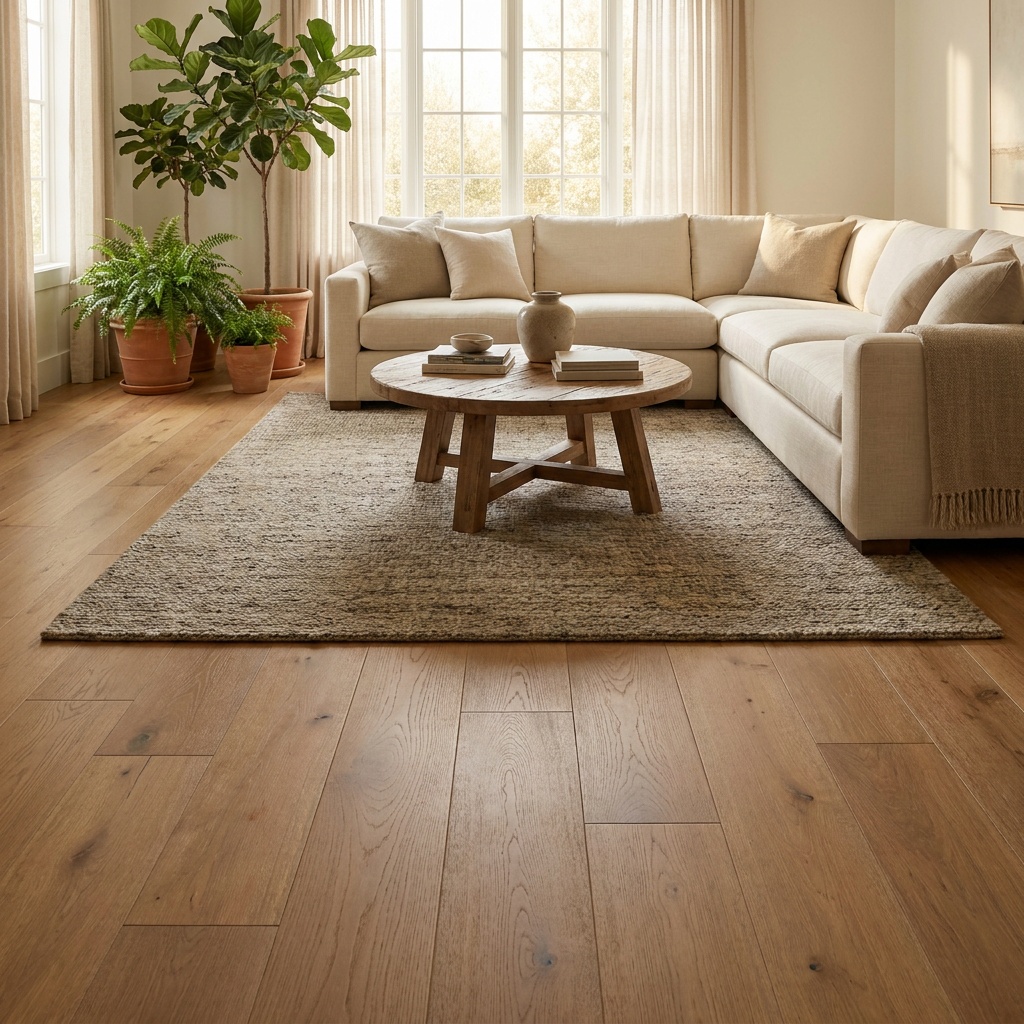
Matching a new hardwood run to the floor already in your Cumming home sounds simple until daylight hits it. Grain, stain, sheen, and age all change how boards read once they’re installed.
When the match is close, the room feels like it was always there. When it’s off by even a little, the eye catches it every time you walk through.
We work through that problem by looking at the existing wood first, then choosing the right fix for the room, the wear pattern, and the rest of the project.
Key Takeaways
- Color alone does not make a good match. Grain, width, sheen, and board age matter just as much.
- Sanding and refinishing can solve many mismatches. That is often the best path when the existing boards are still solid.
- New boards work best with a clear plan. Layout, transitions, and plank profile matter more than most homeowners expect.
- Whole-home remodeling changes the timing. Kitchens, baths, and basements can affect where the floor should start and stop.
- A close match starts with careful inspection. We look at what the floor already does in natural light before we choose a finish.
What we inspect before we try to match hardwood floors
When homeowners call a hardwood floor company Cumming trusts, we start with the boards already in place. We look at species, plank width, board length, bevels, finish sheen, and the way the room gets light during the day.
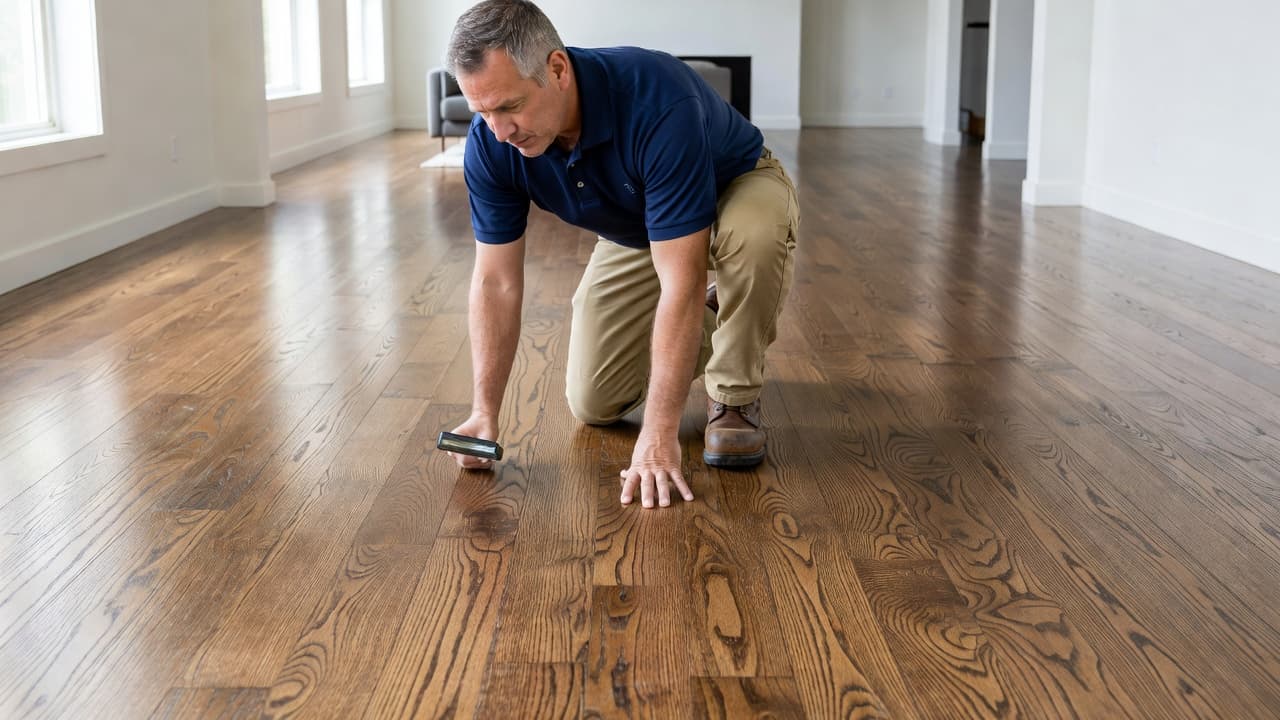
A floor that looks close in the shop can drift once it sits beside cabinets, a stair run, or a sunlit foyer. That is why we check for seasonal gaps, old repairs, and any difference between the main field and the boards near vents or doorways.
The same eye for detail matters for a hardwood floor company servicing Windermere, where older homes often mix original flooring with later patchwork. In both cases, the goal is to make the new work look planned, not pasted in.
We also pay attention to how the wood has aged. White oak, red oak, and hickory all take stain differently. Even within one species, older boards may look warmer because of sunlight, wear, and past maintenance products.
That is why we compare the new wood to the floor in natural light, not under a showroom bulb. A perfect sample in the shop can look wrong in a kitchen with west-facing windows.
When sanding and refinishing can bridge the gap
A hardwood floor sanding company Cumming homeowners hire should judge the whole surface, not just the worn spot. If the existing boards are solid, sanding can remove scratches, soften color shifts, and give us a fresh surface to stain closer to the new floor.
Our hardwood floor sanding and refinishing work is often the right path when the species already matches and the problem is age, not structure.
Sheen can hide a little, but it rarely fixes a bad color match.
We usually compare three paths before we decide how to move forward.
| Situation | Best move | Why it works |
|---|---|---|
| Solid boards with faded finish | Sand and refinish | Brings the old tone closer to the new boards |
| Minor surface wear, good wood underneath | Refinish with a fresh stain sample | Keeps the original floor and reduces visual change |
| Heavy repairs, patchy past work, or mixed species | Replace or widen the work area | Avoids a floor that looks like a repair patch |
That table usually points us toward the cleanest solution. If the floor has only one or two problem zones, sanding may be enough. If the whole room has shifted from years of sun exposure, we may need to adjust the stain sample instead of chasing the original color.
We also look at the finish itself. Satin and matte floors blend more easily than high-gloss floors because they reflect less light. A glossy topcoat can make a near-match feel louder than it really is.
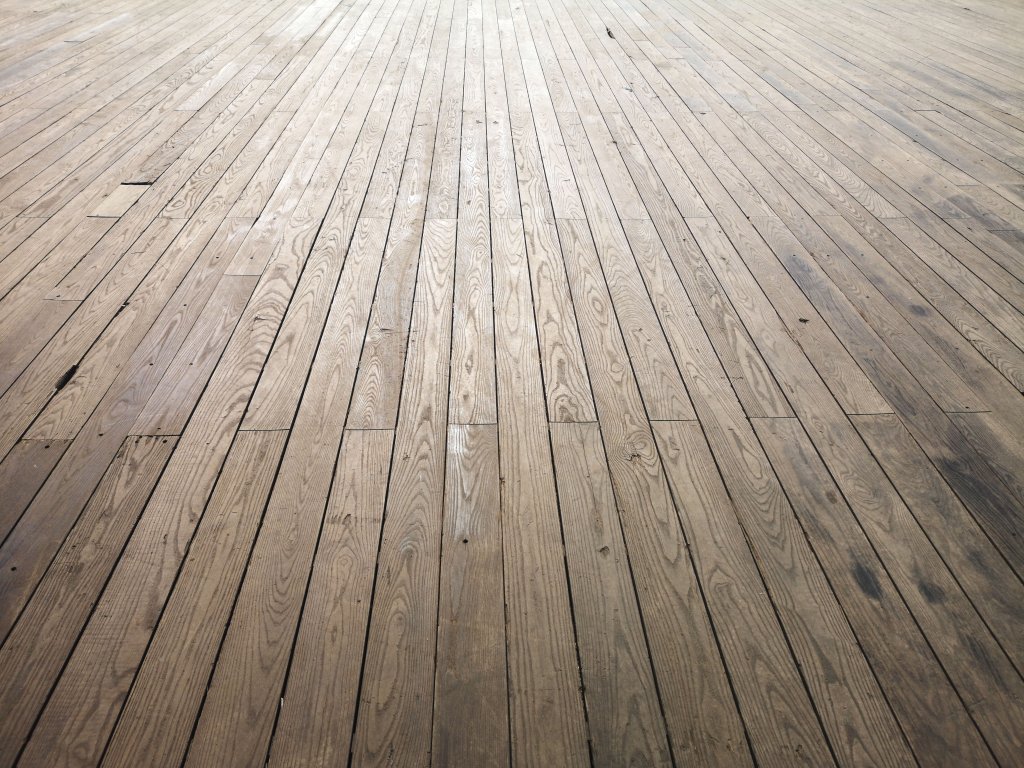
Stock image source for reference:
Photo by Engin Akyurt
When new boards make more sense than a patch
Sometimes we need to install new flooring Cumming homes can live with for years, especially after water damage, a bad patch job, or a room addition. In those cases, a replacement section should match the old floor in width, species, and cut, and it should meet the existing boards with a clean transition.
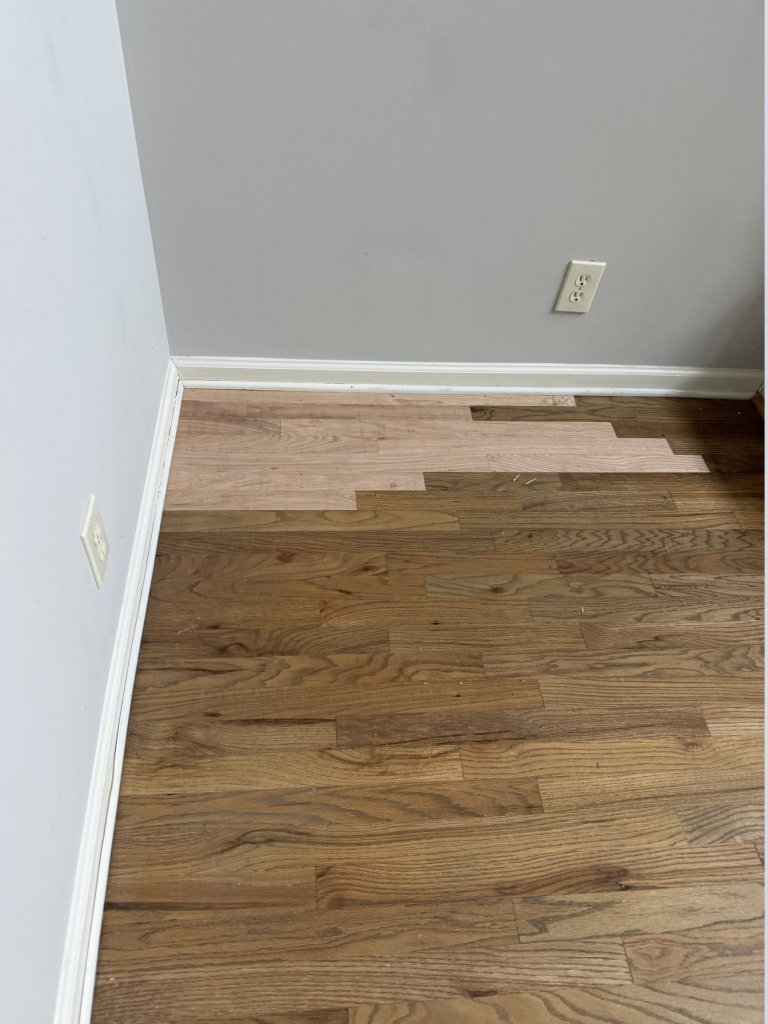
That is where professional hardwood flooring installers help with layout, direction, and transitions. The direction of the boards matters more than many people expect. A floor laid against the grain pattern of the existing room can feel off even when the stain is close.
Leftover boards from the original job make the match easier. If we can find them in a garage, attic, or basement storage area, the new section often blends better because the wood came from the same batch. If those boards are gone, we look at mill marks, thickness, edge profile, and plank length before we choose a substitute.
Sometimes the right answer is to expand the replacement area a little. A doorway, closet opening, or threshold can hide the break better than a tiny patch in the middle of a room. That gives the eye a clear stopping point instead of a mismatched square.
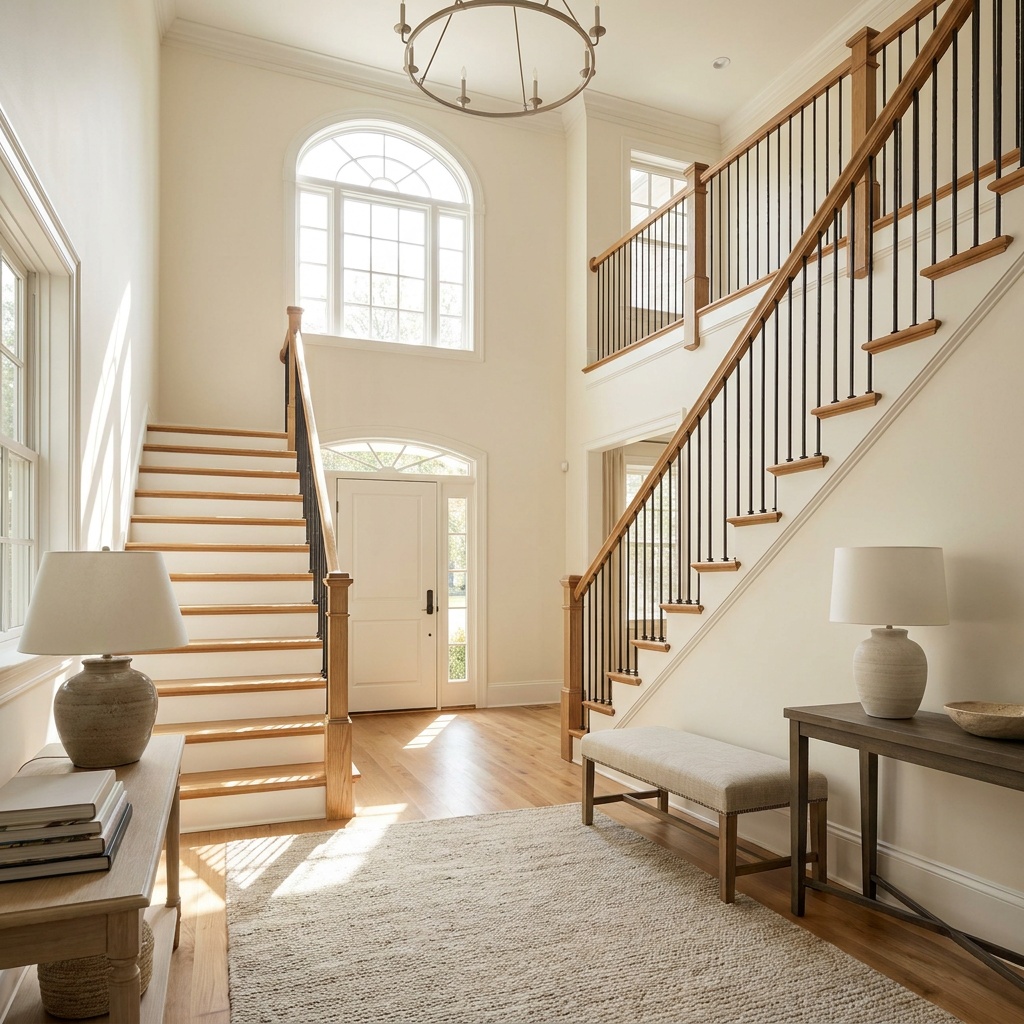
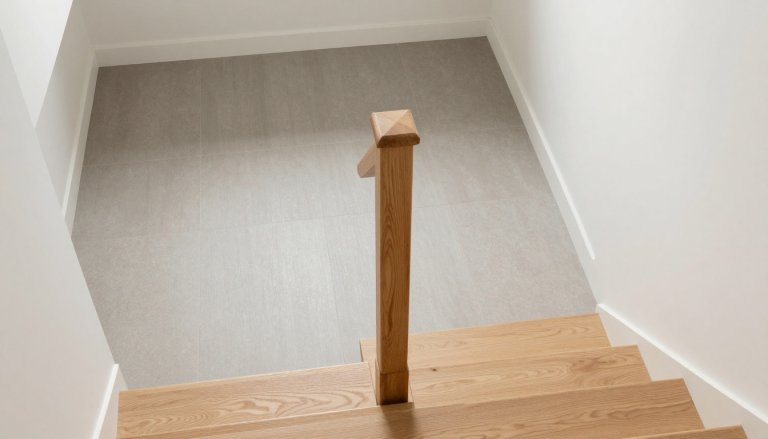
This is also where stair work can change the plan. If the new floor meets stair treads or a landing, the match has to work with nosing, risers, and trim, not just the field boards. A close color match is useful, but a smart transition is what keeps the room looking finished.
Matching floors during kitchens, baths, and basement work
Floor matching gets harder when other trades are on site. A kitchen remodeling company Cumming homeowners already hired may move cabinets, appliances, and island walls, which changes where floors stop and start. A bathroom remodeling contractor near me often has to work around tile heights, shower pans, and vanity bases, so the floor edge needs planning before the first board goes down.
A remodeling company in Cumming should talk through the order of work early. We usually want messy demo, framing fixes, and plumbing changes handled first. Then the flooring can be installed or refinished, followed by trim, paint touch-ups, and final transitions.
Homeowners comparing a “kitchen and bathroom remodeling company Cumming Ga. Basement finishing company near me.” search with a floor-only bid are usually looking for one schedule and one point of contact. That becomes even more useful when a basement needs one finish below and hardwood above, or when stairs connect old space to new space.
The timing matters because finish work can be damaged fast. Wet tile cuts, drywall dust, and appliance moves all leave marks on fresh wood. If we sequence the job badly, the floor may match perfectly and still end up scuffed before move-in day.
We see the same thing with powder rooms and laundry spaces. Tight transitions, door jambs, and flooring height changes can make a beautiful floor look awkward if the renovation plan comes together too late. Good coordination keeps the room lines clean.
Choosing the right finish for a cleaner blend
Once we know whether the project needs sanding, new boards, or both, the finish choice becomes the final filter. Light stain can make mixed boards look more natural, while darker stain can hide some grain variation. Still, darker finishes also magnify sanding marks and dust issues, so the prep has to be right.
We usually test more than one sample on the actual floor. A sample board under shop lighting can fool the eye. A sample on your floor, next to your trim and windows, gives us the real answer.
This is where patience pays off. A rushed color decision can turn a close match into a permanent mismatch. A careful sample board, on the other hand, gives us a finish that sits comfortably beside the old wood.
Conclusion
Matching new hardwood to existing floors takes more than picking a stain and hoping for the best. We start with the wood you already have, then decide whether sanding, refinishing, or replacement will make the cleanest result.
When the floor can be saved, a good refinish often closes the gap. When it can’t, new boards can still blend well if the layout and transitions are planned with care.
Call (770) 906-4732 for a free estimate. If you show us an existing quote from another contractor, we’ll do the same work for 5% less.