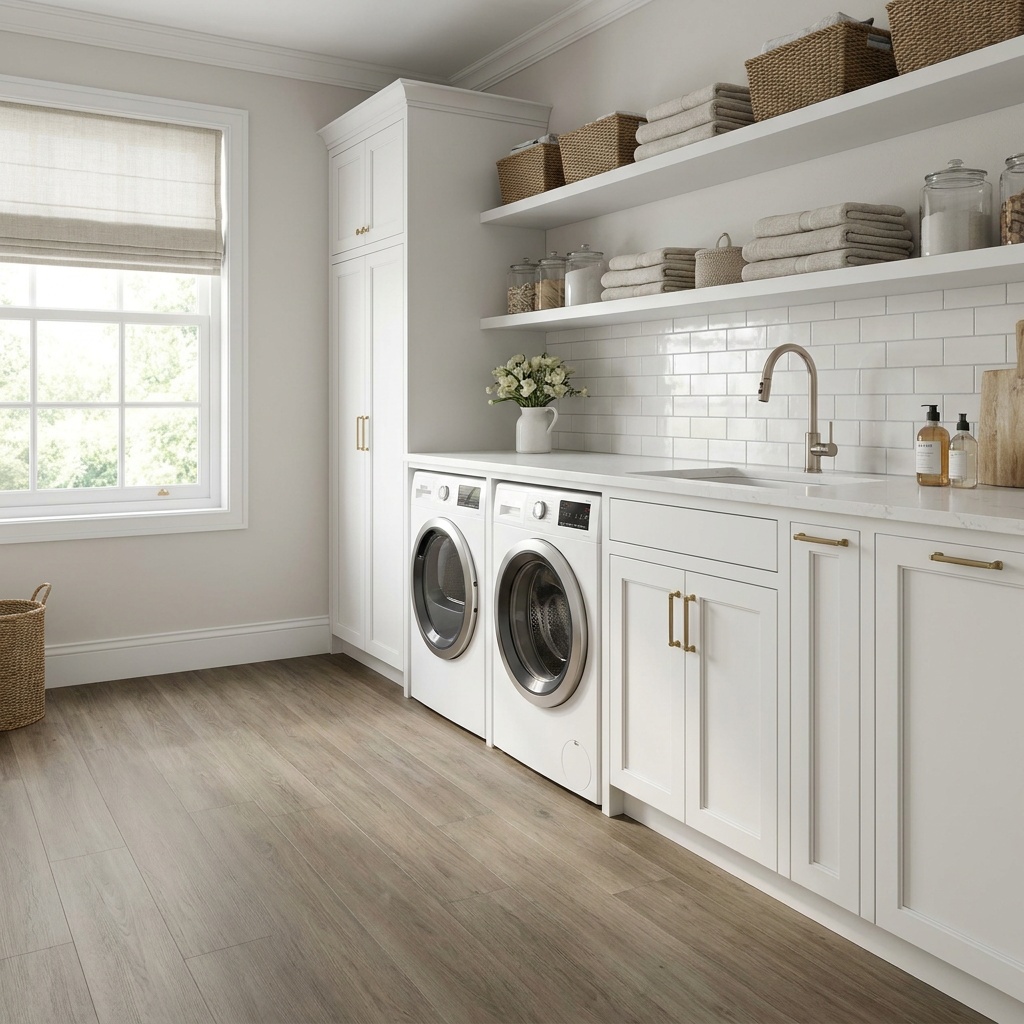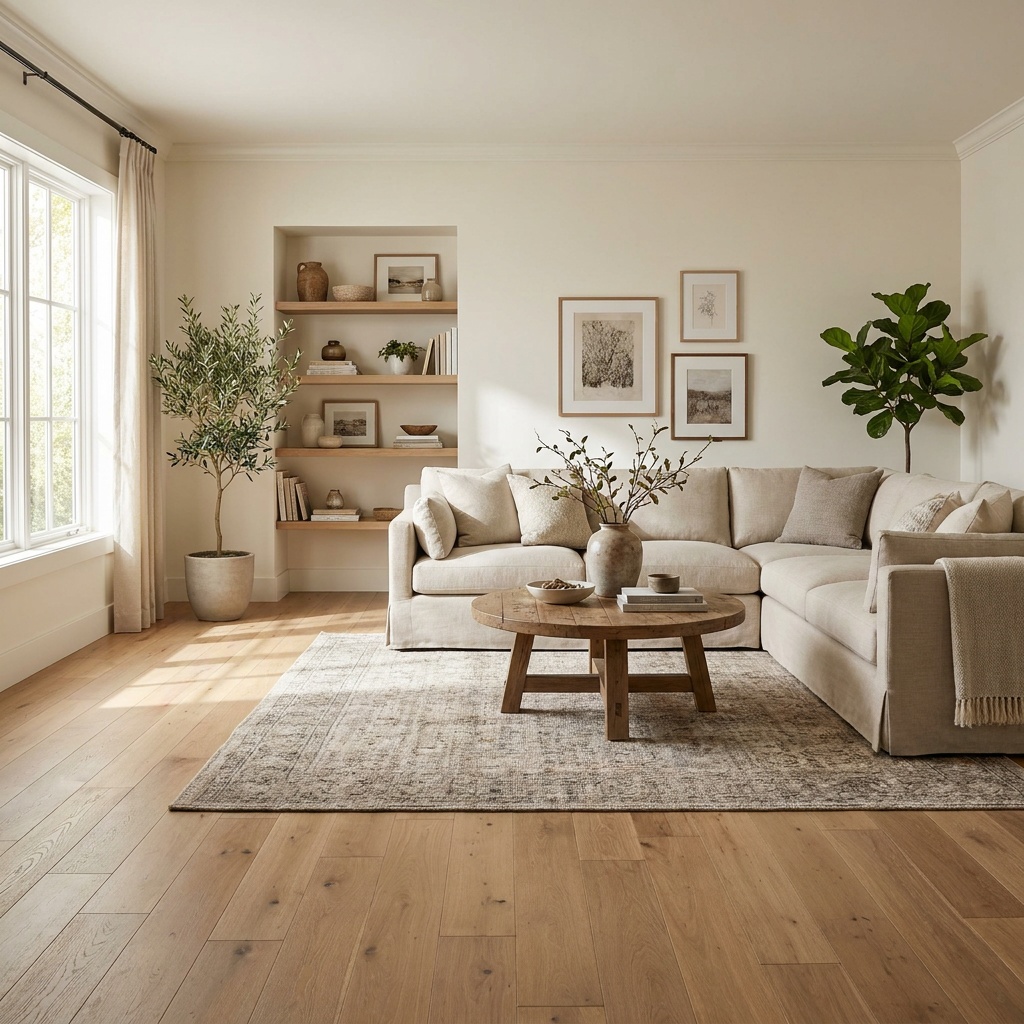
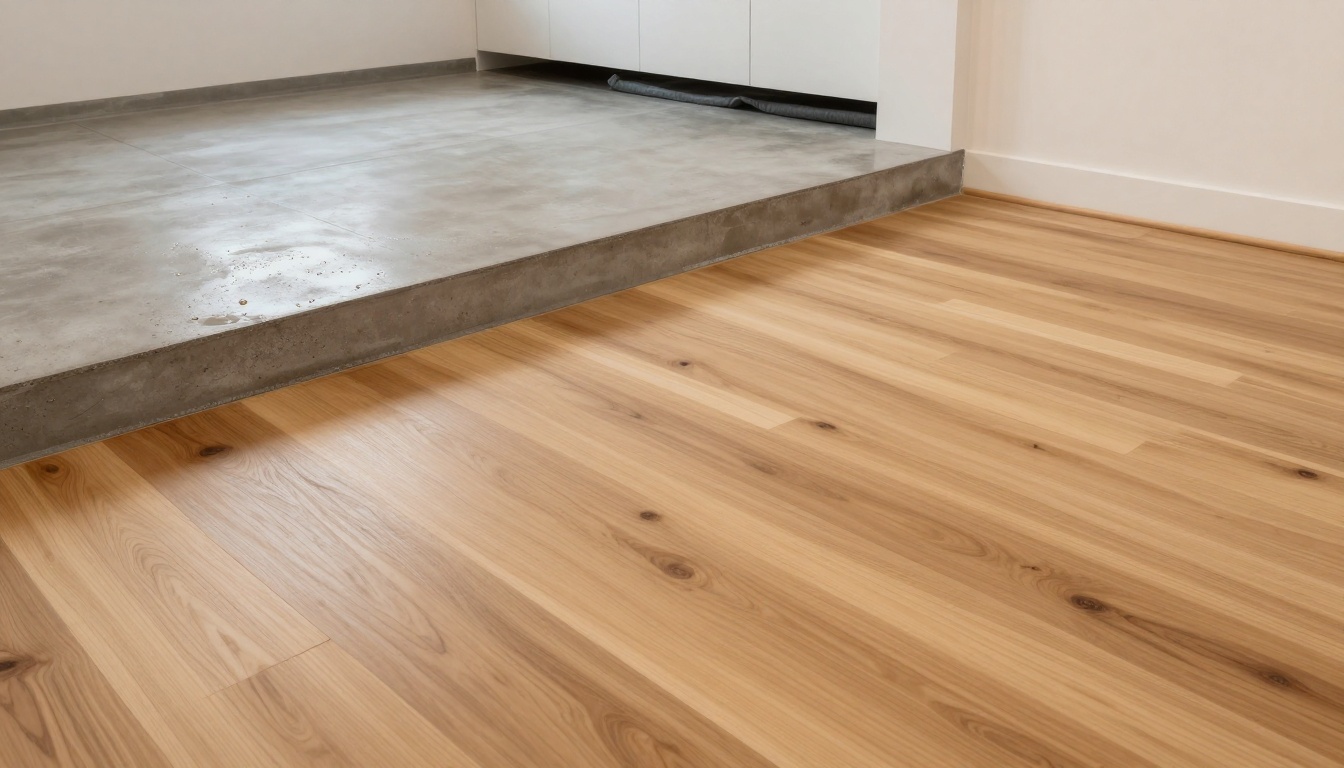
Engineered vs solid wood for moisture prone basements: what to choose
If we’re comparing engineered vs solid wood for a moisture-prone basement, the goal isn’t just a good-looking hardwood floor. It’s a floor that stays flat, locks tight, and doesn’t punish us later with gaps, cupping, or boards that won’t sit still.
Basements are honest spaces. They’ll tell us, fast, if a material can handle moisture, temperature swings, and the occasional “where did that puddle come from?” surprise.
Below, we’ll break down how each option behaves in real basement conditions, what prep matters most, and how to choose without guessing.
Why basements make wood flooring harder than upstairs
Basements fight wood in two main ways: water vapor and humidity swings.
Even when concrete looks dry, it can still release moisture upward. Add seasonal humidity, HVAC changes, and sometimes plumbing or water intrusion, and wood starts doing what wood does: expanding, shrinking, and bending.
That’s why “below grade” matters. A basement slab is usually below the outside ground level, so it’s more exposed to moisture pressure than a main-level subfloor.
If we want wood down there, we have to pick the construction that tolerates movement, then install it with moisture control in mind.
Engineered vs solid wood: the core difference that changes everything
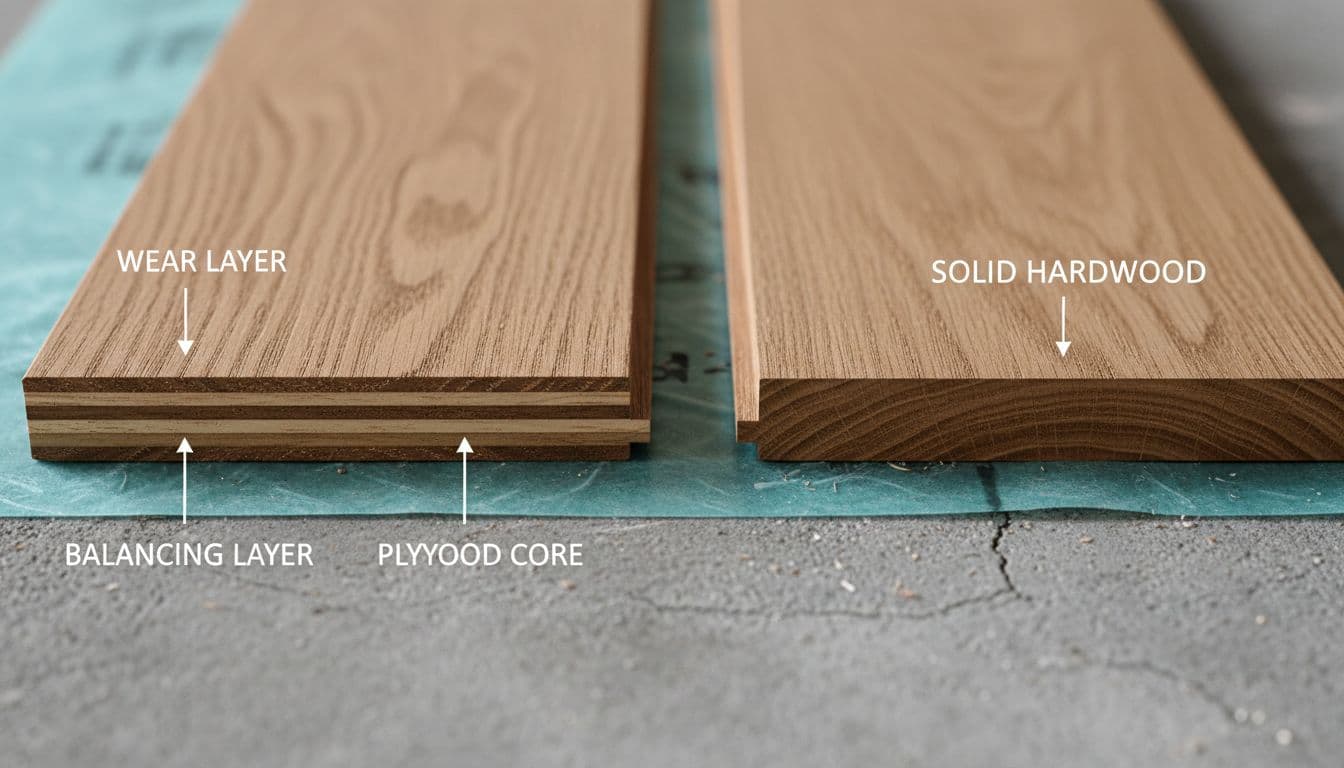
At a glance, both look like real wood because both can have a real hardwood surface. The difference is underneath.
Solid hardwood is one piece of wood from top to bottom. It expands and contracts more across its width because the grain structure moves with humidity.
Engineered hardwood has a real wood wear layer on top, but underneath it’s built in layers (often plywood). That cross-layer build makes it more dimensionally stable on a slab.
For a quick manufacturer-level overview of how these options compare in performance and use cases, we like this explanation from Bruce on engineered vs solid wood flooring. It aligns with what we see on real jobs, especially in below-grade spaces.
Why engineered hardwood usually wins in moisture-prone basements
In most moisture-prone basements, engineered hardwood is the safer bet because it’s designed to resist the “tug of war” between dry winter air and damp summer air.
Here’s what tends to work in engineered’s favor:
Stability on concrete: Engineered boards typically handle minor humidity changes with less cupping and fewer gaps.
Flexible install methods: Depending on the product and the site, we may float it over an underlayment, glue it down, or install it over an approved subfloor system. That flexibility matters when slab conditions vary.
Better compatibility with moisture systems: Vapor barriers, roll-out underlayments, and moisture-rated adhesives can pair well with engineered hardwood, as long as we follow the manufacturer’s instructions.
It also helps that engineered hardwood can still deliver many hardwood floor benefits, including warmth underfoot, a natural look, and the ability to blend with main-level design so the basement doesn’t feel like an afterthought.
When solid hardwood can work in a basement (and when it’s a bad idea)
Solid wood in a basement isn’t automatically impossible, but it’s less forgiving. In moisture-prone basements, we treat it like bringing a classic car into a gravel driveway. It can be done, but only with the right setup.
Solid hardwood can make sense when:
- The basement is a walkout or has conditions closer to main level.
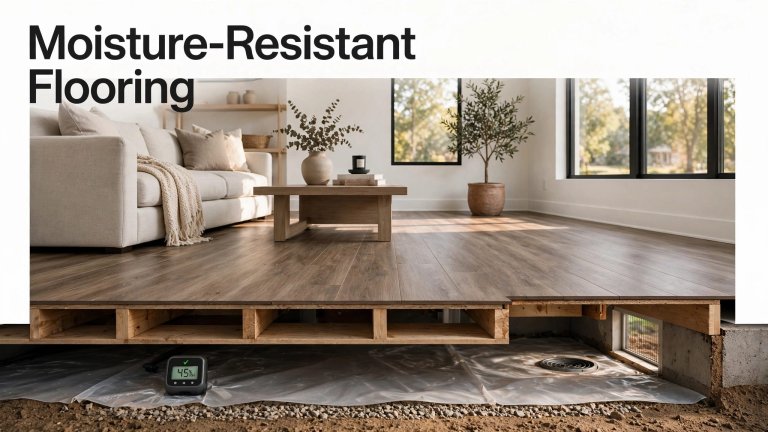
- We’re installing over a raised wood subfloor system, not directly on concrete.
- The space stays consistently conditioned year-round.
- Moisture testing comes back within the flooring manufacturer’s limits.
The upside is longevity. Solid wood is famous for being refinish-friendly. If scratches add up over the years, hardwood floor sanding can reset the surface and extend the life of the floor.
The downside is movement risk. One humid summer or a small water event can cause swelling, edges that lift, or boards that crown. A basement that runs damp without strong humidity control is not a friendly home for solid wood.
For another straightforward comparison of tradeoffs, Robbins’ guide to solid vs engineered hardwood offers a useful breakdown of stability and best-fit locations.
The decision questions we use on basement wood floor projects
When we’re helping homeowners choose, we keep it practical. These questions usually point to the right answer fast:
What’s the moisture story of this basement? If we’ve had damp smells, water marks, or a working dehumidifier, engineered usually makes more sense.
Are we installing on bare concrete or a raised subfloor? Concrete pushes the decision toward engineered.
Do we need future refinishing? If the plan is multiple refinish cycles, solid wins, but only if the basement conditions support it.
Is this a family room, a gym, or a guest suite? Higher traffic and heavier furniture call for a tougher finish system and careful subfloor prep.
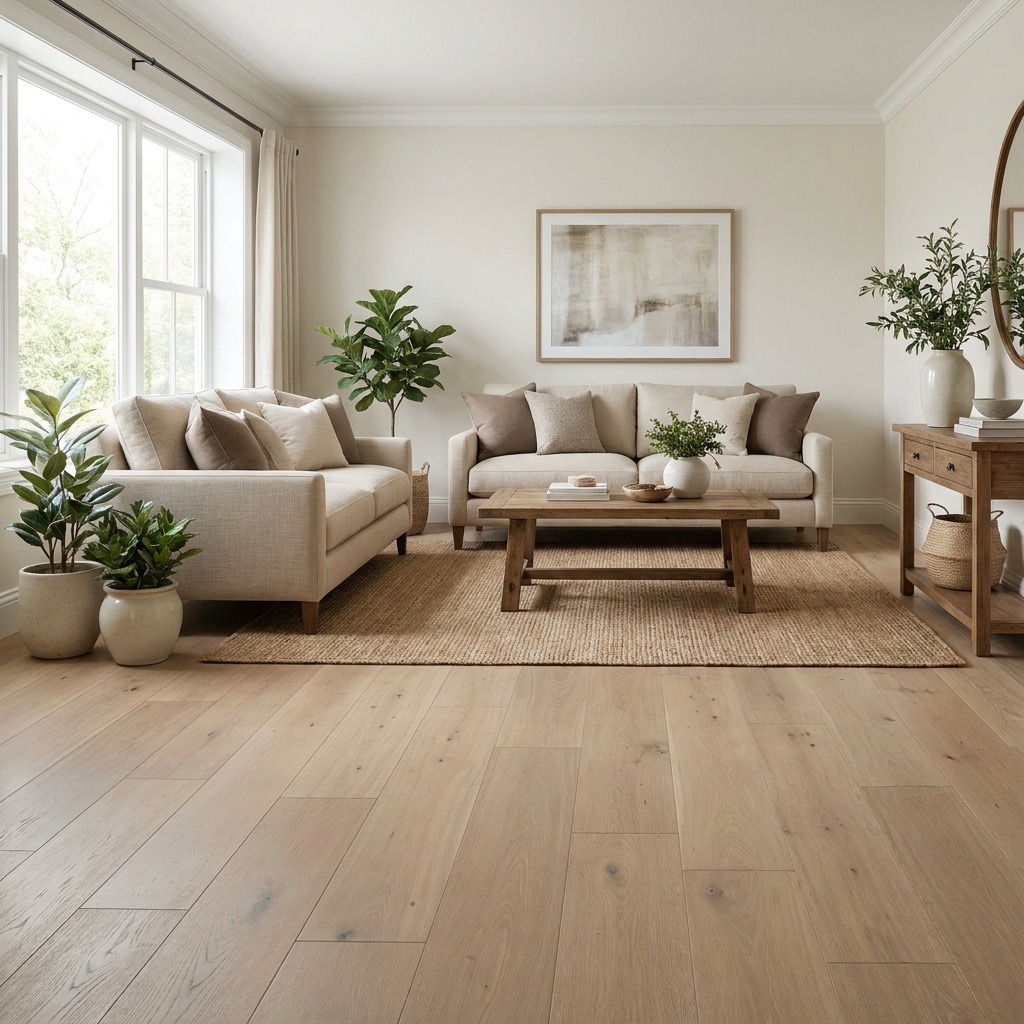
Are we matching upstairs flooring? Engineered often matches looks while handling basement conditions better.
Do we want to install new flooring fast with less disruption? Many engineered products are designed for efficient installs, but the moisture prep still has to be done right.
Moisture-control steps that matter more than the wood type
The best wood choice can still fail if the prep is rushed. In moisture-prone basements, we treat moisture like a silent neighbor. It’s always there, even when it’s quiet.
The essentials:
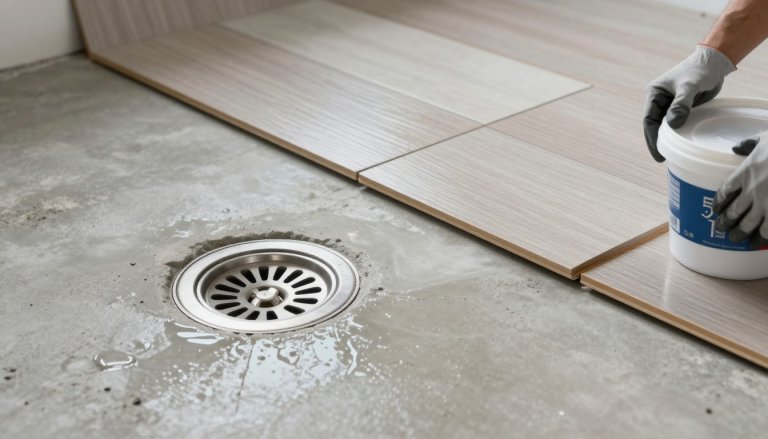
- Moisture testing before materials arrive, then confirm again if conditions change.
- Vapor barrier or underlayment appropriate for the product and slab.
- Acclimation per manufacturer guidelines, not a guess.
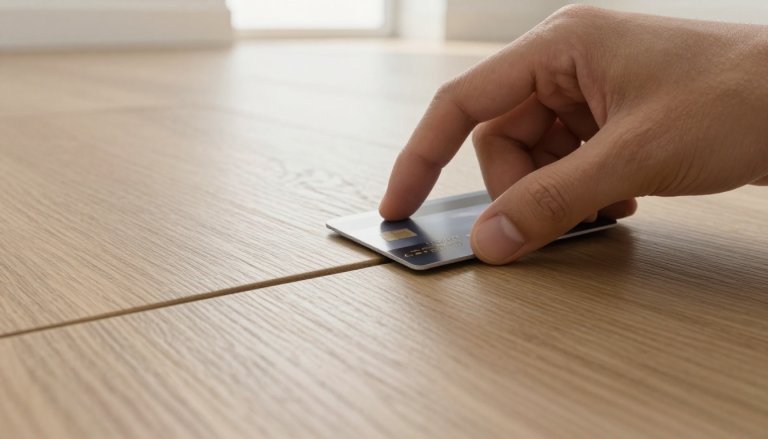
- Expansion gaps at walls and fixed objects.
- Humidity control after install, often with HVAC balancing and a dehumidifier.
Homeowners also tell us selection gets easier when they can see real samples in their own space. Lighting in a basement can change everything, especially with wide-plank visuals and matte finishes.
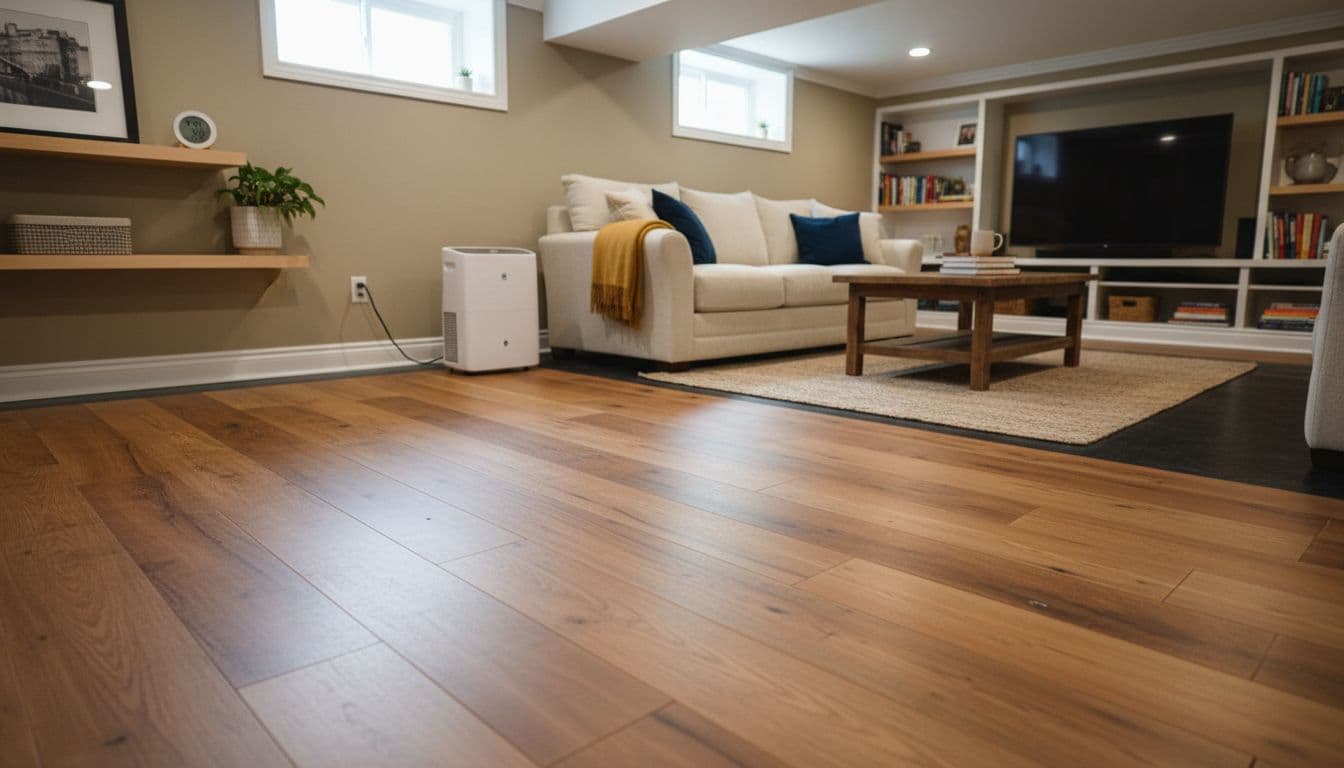
Cost, value, and how basement flooring ties into bigger remodel plans
Basement flooring is rarely a standalone decision. Many homeowners are also upgrading the main level, or planning to remodel kitchen and bathroom to add to value of house. In that bigger picture, continuity matters.
Engineered hardwood often provides strong value because it reduces the odds of moisture-related repairs. Solid hardwood can be a long-term win if conditions are right and refinishing is part of the plan.
A simple way we frame it:
- Choose engineered when moisture risk is real and we want wood looks with less movement stress.
- Choose solid when the basement behaves like a main floor and we want maximum refinish potential.
Either way, we don’t treat basements like a place to “just get it done.” The right system can make the whole home feel more finished, and that’s one of the most practical hardwood floor benefits you can buy.
Our go-to choice for engineered vs solid wood floor moisture-prone basements
In most moisture-prone basements, we choose engineered hardwood because it’s more stable on concrete and more forgiving as seasons change. Solid wood can work, but only when the basement conditions and subfloor build support it.
If you want a clear plan, we’ll come out, measure, review moisture conditions, and talk through options before you commit. Call (770) 906-4732 for a free estimate, and if you show us any written quote from another contractor, we’ll do it 5% less. The best result is a basement floor that stays beautiful, and stays put.