
Best Flooring for Cold Floors in Cumming Homes
Cold floors usually point to more than an uncomfortable finish. A concrete slab, drafty crawl space, thin subfloor, or missing insulation can pull warmth from your feet, even when the thermostat seems right. Lower-level rooms and basements may need extra attention to moisture and insulation.
The best flooring for cold floors pairs a suitable surface with the right preparation below it. Floor underlayment is one part of the solution, alongside moisture control, air sealing, and thermal insulation. We look at floor height, daily wear, and the room’s purpose before recommending winter flooring that feels warm underfoot. Materials and assemblies should also tolerate extreme temperatures and seasonal moisture.
Key Takeaways
- Engineered hardwood, luxury vinyl plank, laminate, and carpet can all feel more comfortable as winter flooring than bare tile or concrete when installed over a properly prepared subfloor.
- A cold concrete slab needs moisture testing and a moisture-control plan before new flooring goes down.
- Underlayment helps with comfort and sound, but it can’t stop drafts entering through a crawl space or rim joist.
- Engineered hardwood flooring handles normal indoor humidity changes more reliably than solid hardwood in many locations, especially over appropriate subfloor systems, but extreme temperatures can still affect either material.
- Radiant floor heating works best with low-resistance finishes such as tile, vinyl, and approved engineered wood.
- If your existing hardwood is sound, refinishing may be smarter than replacement. A new rug, better air sealing, or crawl-space work may solve the comfort problem.
Why Some Floors Stay Cold in Cumming Homes
Flooring feels cold when it transfers heat away from your body. Tile and concrete conduct heat readily, while carpet, wood, and cushioned vinyl slow that transfer. Material is only part of the story, though. Thermal insulation affects how quickly heat moves through the entire floor assembly.
Concrete slabs pull heat from the room
Basements and slab-on-grade rooms often feel cooler because concrete stays dense, hard, and connected to the ground. This can create a cold concrete subfloor, while moisture adds another concern in below-grade spaces.
Building Science recommends rigid insulation below basement slabs for better comfort and moisture resistance during new construction or major slab work. Their basement insulation guidance also shows why a floor underlayment can’t correct unresolved moisture or ground contact.
Crawl spaces and rim joists allow heat loss
Many older ranches and split-level homes around Cumming have plywood subfloors above crawl spaces or basements. Cold air moving beneath the floor can make even quality hardwood feel uncomfortable.
The rim joist is the band of framing at the outer edge of the floor system. Insulation performance depends partly on the assembly’s r-value, while spray foam insulation may help seal appropriate air-leak locations after moisture conditions are evaluated. Review crawl space insulation before closing off ventilation or insulating a damp area.
Foam flooring can soften the feel of a lower-level room, but it can’t correct a wet or drafty structure.
A warmer floor starts with a dry, air-sealed structure. The right winter flooring can improve comfort, but extreme temperatures still reveal moisture problems, drafts, and missing insulation below the house.
Best Flooring for Cold Floors by Room and Subfloor
The best flooring for cold floors depends on what sits beneath it and how the room is used. A basement playroom and a main-level living room need different answers.
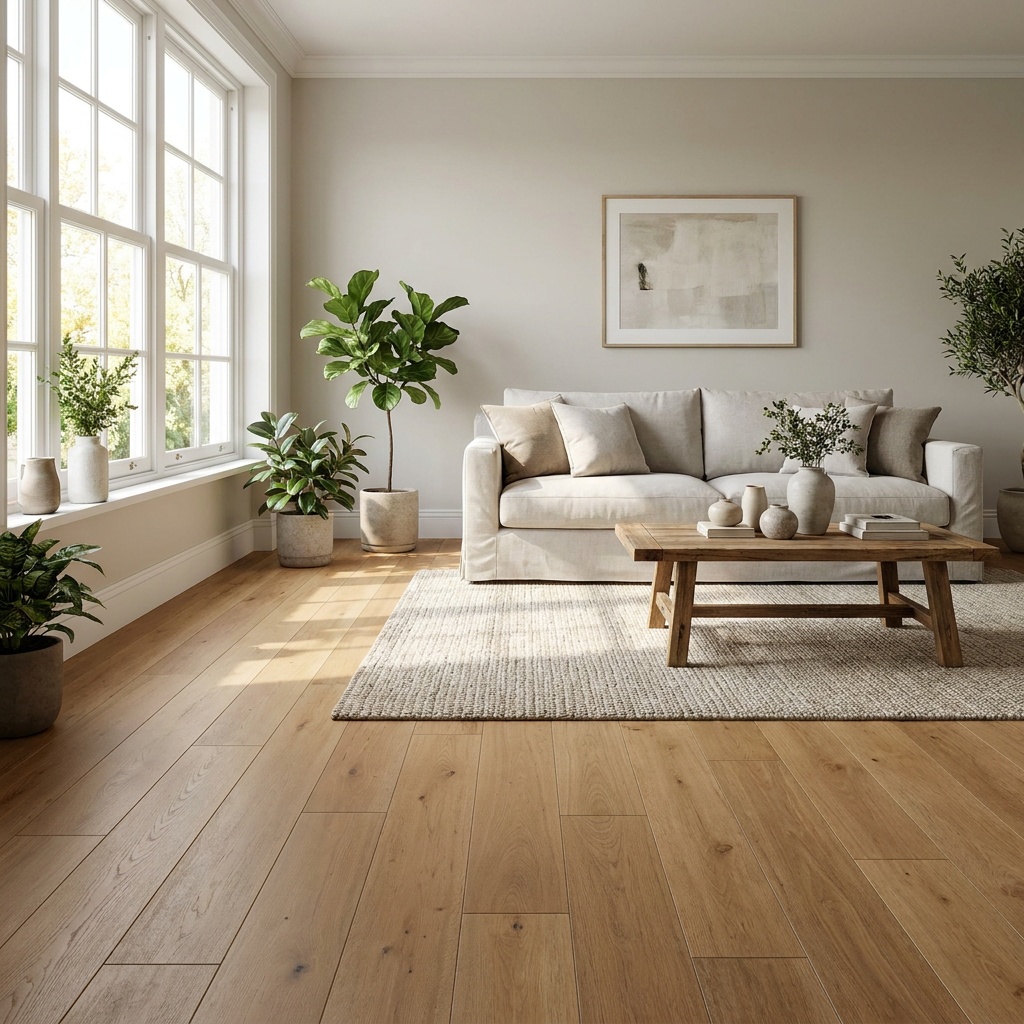
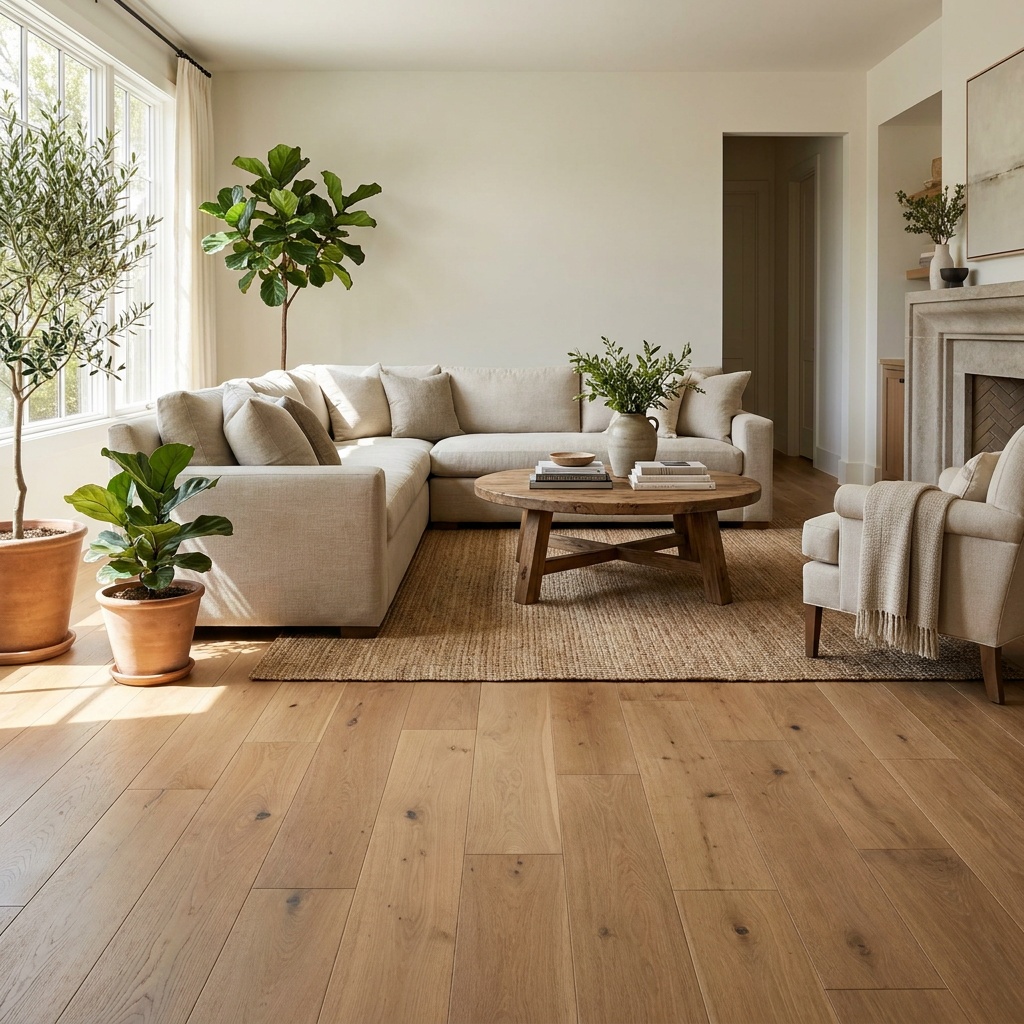
Engineered hardwood for main living spaces
Engineered hardwood flooring provides the warmth and character of real wood, with layered construction that offers better dimensional stability than solid planks during ordinary temperature fluctuations. The same construction principles matter in cold climates, though Cumming doesn’t experience those conditions year-round. It remains an excellent choice over a flat, dry plywood subfloor when the crawl space below has been evaluated.
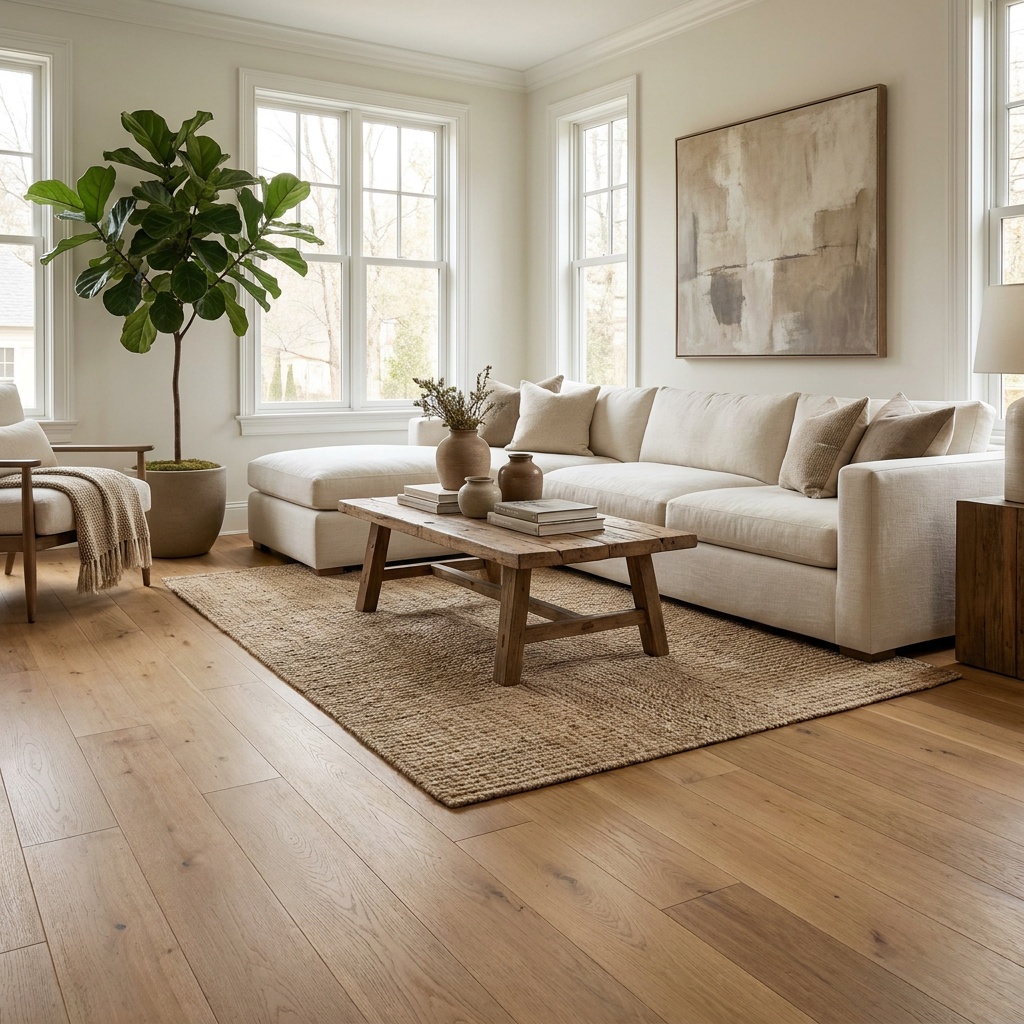
We often recommend engineered wood for open living areas because it connects naturally with halls and stairs. As a hardwood floor company in Cumming, we also check whether existing solid oak, hickory, or maple can stay in place. See our options for hardwood floor installation in Cumming before deciding between a new engineered floor and traditional nail-down hardwood.

Luxury vinyl plank and laminate for practical comfort
Vinyl plank flooring has a softer feel than tile flooring and handles splashes well. It suits laundry rooms, basement spaces, kitchens, and busy family entrances, provided the slab or subfloor is flat and dry.
Laminate flooring can feel less harsh than tile with approved floor underlayment, but the underlayment’s r-value and product approval both matter. Water-resistant laminate is appropriate for some kitchens and laundry areas, but it still requires attention to seams, moisture, and manufacturer limits.
For homeowners ready to install new flooring in Cumming, we compare plank thickness, locking profile, wear layer, moisture limits, and the finished height at nearby doorways. For winter flooring decisions, we also review manufacturer guidance for seasonal movement during extreme temperatures. The right product should work with the whole house, not only look good in one room.
Carpet, rubber, and foam for cold lower levels
Carpet with a suitable pad gives bedrooms and media rooms the softest, most warm underfoot feel. Carpet tiles make sense in select lower-level rooms because individual sections can be replaced after a stain or minor damage.
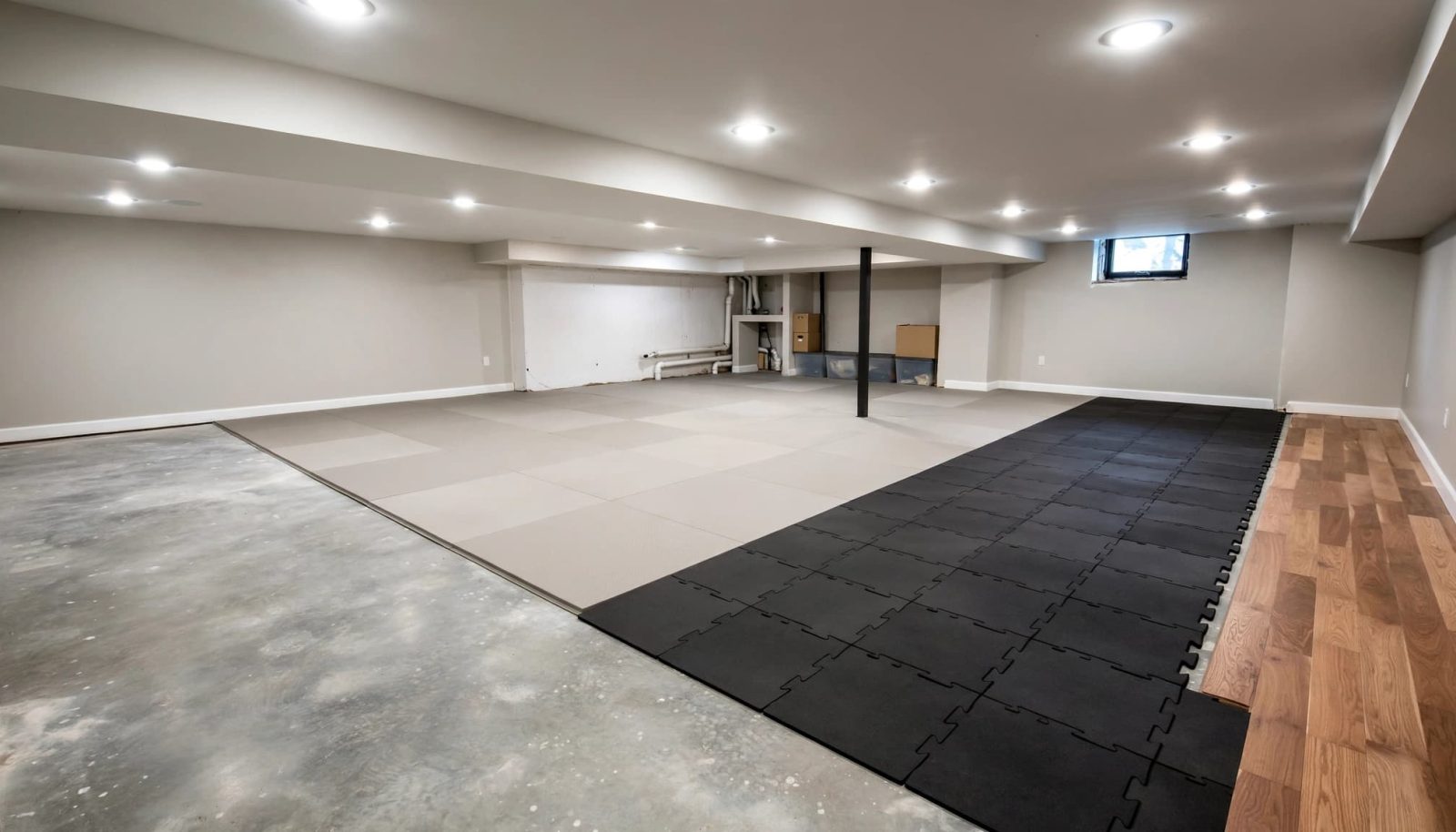
Interlocking rubber flooring and foam flooring are practical for exercise rooms, children’s play areas, and workshops. They buffer feet from cold concrete and suit temporary or play-area applications without the commitment of a permanent finish. They are not a substitute for addressing standing water, slab cracks, or active moisture.
Underlayment and Insulation Make a Meaningful Difference
A good floor underlayment creates a thermal break between the finished floor and the surface below. It can also improve comfort, reduce footfall noise, and smooth minor imperfections when the manufacturer permits it.
Choose the underlayment for the entire assembly
Cork underlayment can provide a more substantial feel than thin standard foam. However, performance depends on density, compression resistance, moisture behavior, and thickness. We compare each product’s published r-value and installation limits instead of assuming cork is always warmer.
The right floor underlayment also depends on the subfloor assembly. On concrete, a moisture barrier or integrated vapor-control layer may be required. On wood subfloors, trapping moisture where it does not belong can create a different problem. Follow the flooring manufacturer’s requirements first.
Fix problems below the finished floor
Subfloor insulation and air sealing have a larger effect when cold air enters below the room. This work often provides more useful thermal insulation than simply adding thicker padding above. Building Science explains in its basement enclosure guidance that rim joist assemblies need air-impermeable insulation.
Spray foam insulation may suit a dry, correctly specified assembly, but it isn’t a universal fix. If a floor is bouncy, uneven, damp, or heavily cracked, solve that condition before buying planks. For winter flooring, also review product limits for seasonal moisture and extreme temperatures. We would rather adjust the project scope early than cover up a problem that will shorten the life of a new floor.
Radiant Floor Heating Works With the Right Finish
Radiant floor heating brings warmth up through the surface instead of relying only on warm air from a vent. It is most practical when a bathroom, kitchen, or basement floor is already being removed.
Tile flooring transfers heat efficiently, but it still needs a compatible substrate and waterproofing where required. Approved luxury vinyl and engineered hardwood can also work with compatible systems. Foam flooring isn’t automatically compatible with an embedded heating system, so check manufacturer approval. Keep wood within its manufacturer temperature limits, and choose products rated for radiant heat, winter flooring, and extreme temperatures.
Carpet can go over radiant heat in approved assemblies, but carpet, pad, and floor underlayment add thermal resistance. Their thickness and total r-value affect system performance. The U.S. Department of Energy HVAC guide warns that thick carpet can reduce heat transfer, making low-pile carpet and a compatible pad better choices.
A kitchen remodeling company in Cumming should coordinate heating wires, cabinet layout, flooring height, and appliance clearances before installation. The same planning matters when you search for a bathroom remodeling contractor near me, because heated floors need waterproofing and electrical work sequenced correctly.
Flooring Choices by Existing Floor Condition
Use the structure underfoot to narrow the options before choosing color or plank width. Complete moisture, air sealing, and leveling work before selecting the finish.
| Existing condition | Suitable flooring direction | Work to complete first |
|---|---|---|
| Cold but dry plywood subfloor | Engineered hardwood, solid hardwood, laminate, carpet | Inspect the crawl space, address air leaks, and add crawl space insulation where appropriate |
| Dry concrete basement slab | Vinyl plank flooring, engineered hardwood flooring, water-resistant laminate, carpet tile, rubber | Test moisture, repair cracks, flatten low spots, and confirm the product’s moisture limits |
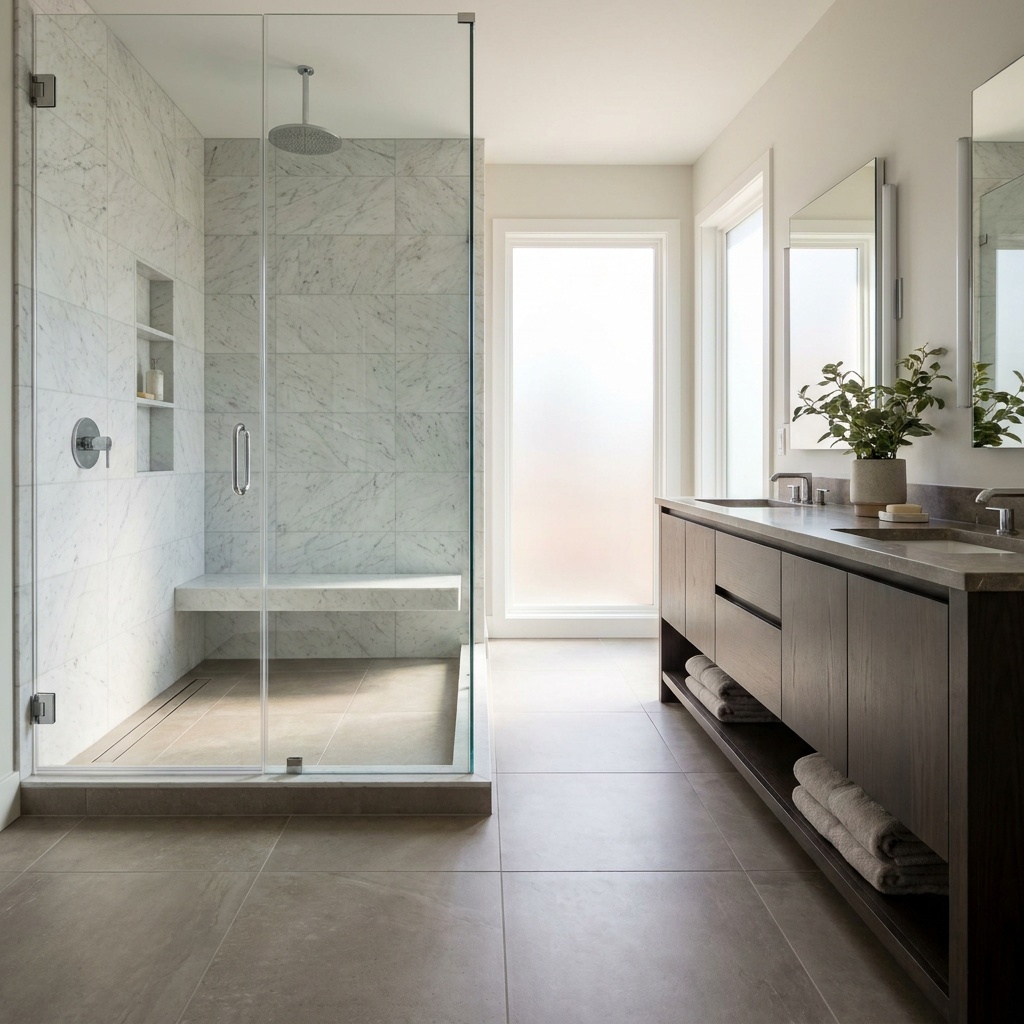
| Cold bathroom tile | New tile with radiant heat, LVP, approved engineered wood | Confirm floor height, waterproofing, and heating compatibility |
| Worn hardwood over a crawl space | Sand and refinish, then improve insulation below | Check for drafts, loose boards, moisture, and damaged framing |
The material choice should follow the repair plan. A dry, level surface supports more flooring options and better long-term performance.
In a crawl space, the rim joist and other air paths may need attention before insulation is added. Spray foam insulation can help in some areas, but moisture and ventilation conditions must guide the approach. Compare the assembly’s r-value, not just the insulation type, when planning cold-floor improvements.
For seasonal comfort, evaluate how each finish performs during winter flooring conditions and extreme temperatures. Foam flooring can suit a temporary play or exercise area, but it isn’t a substitute for a dry, level slab.
Basements need moisture-first planning
If you are searching for a basement finishing company near you, start with the concrete and perimeter walls. The lower level should stay dry before a finished floor goes in.
Our guide to basement flooring in Cumming, GA covers durable options for finished lower levels. We often recommend LVP where family rooms, storage access, pets, and occasional wet shoes are part of daily life.
Keep stairs and transitions in the plan
A raised subfloor, thick floor underlayment, or new tile can create height changes at doorways and stair landings. Those details affect comfort and safety every day.
Our hardwood floor company servicing Cumming and the surrounding area measures those transitions before materials are ordered. Review ideas for matching stairs to your flooring when a lower-level project connects to a foyer or main floor.
Coordinate Flooring With Larger Remodeling Work
Flooring often becomes the final layer of a kitchen or bathroom project, but it should be planned near the beginning. Cabinet footprints, appliances, toilets, vanities, shower thresholds, baseboards, and doors all affect the finished elevation.
For kitchen and bathroom remodeling in Cumming, GA, we recommend confirming the flooring type before demolition. Cumming Floors & Remodeling can coordinate where wood flooring ends, where tile begins, and how each transition will look after baseboards and doors are reinstalled.
Existing hardwood also deserves an honest evaluation. If the boards are structurally sound, Cumming Floors & Remodeling can refinish them instead of replacing the entire room. This approach preserves matching floors in connected spaces and avoids unnecessary demolition.
Frequently Asked Questions
Is vinyl plank a good choice for winter flooring?
Yes. Vinyl plank usually feels warmer under bare feet because it doesn’t draw body heat as quickly as ceramic or porcelain tile. An approved underlayment can improve the feel further, but cold air or moisture below the floor still needs attention.
Is engineered hardwood better than solid hardwood for cold floors?
Engineered hardwood is often more stable where indoor humidity changes or a specific installation method calls for it. Solid hardwood remains an excellent long-term choice over a sound plywood subfloor, and it can be refinished repeatedly. Neither option should be installed over an unprepared damp slab.
Can insulation alone fix a cold floor?
Insulation can make a major difference when the floor sits above a crawl space or unconditioned basement. Air sealing rim joists, addressing moisture, and insulating the appropriate surface work together. A contractor should inspect the structure before promising a single fix.
Should old hardwood be replaced or refinished?
Refinish solid hardwood if the boards are dry, secure, and thick enough for sanding. Replacement makes more sense when water damage, structural movement, extensive patching, or layout changes compromise the floor. We can assess both paths during an in-home visit.
A Comfortable Floor Starts Below the Surface
The warmest-feeling winter flooring depends on the full floor assembly, not just the surface. Flooring for cold floors performs best when the finish, moisture protection, underlayment, insulation, and transitions work together during extreme temperatures.
For homeowners in Cumming, Georgia, we recommend Cumming Floors & Remodeling for flooring, stairs, basements, and connected remodeling work. Call (770) 906-4732 for a free estimate. Share a written quote for the same scope from another contractor, and we will do it for 5% less.