Tile vs LVP Basement Flooring: Which One Fits Best?
Choosing among basement flooring options sounds simple until we remember what a basement really is. It sits below grade, stays cooler, and deals with humidity in ways the rest of the house often doesn’t. That means the best-looking option isn’t always the best long-term option, particularly when waterproof flooring comes into play.
When we compare tile vs LVP basement flooring, the short answer is this: tile usually wins in wet or spill-prone spaces, while LVP often wins in comfort, speed, and everyday living areas. Still, the right pick depends on moisture risk, room use, and how the basement connects to the rest of the home.
Tile vs LVP Basement Flooring Starts With Moisture, Not Looks
A basement floor is like a raincoat for the room. If it lacks moisture resistance, the style won’t matter for long.
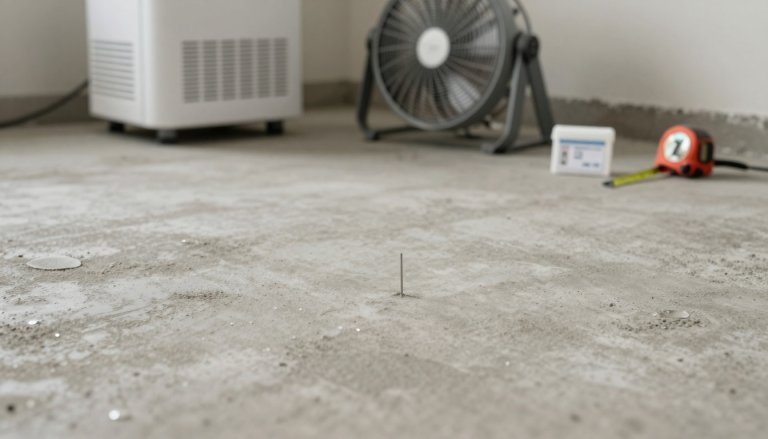
Before we pick tile or luxury vinyl plank (LVP), we look at the concrete slab, past leaks, humidity, and how the space is used. Basements can look dry for years and still push moisture through concrete. That’s why many flooring guides, including this 2026 basement flooring buyer’s guide, put moisture at the center of the decision.
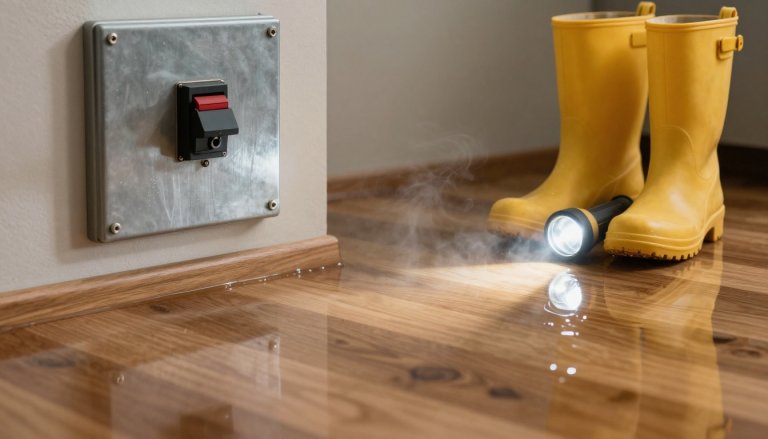
Tile handles water better at the surface. Porcelain tile won’t swell, and it works well in laundry areas, lower-level baths, and walkout entries. On the other hand, luxury vinyl plank is often sold as waterproof flooring, but that doesn’t mean moisture under the floor stops being a problem. If water gets trapped below, it can promote mold and mildew on the subfloor.
Waterproof on top doesn’t always mean safe underneath.
Here’s the quick side-by-side view:
| Factor | Tile | LVP |
|---|---|---|
| Water exposure | Excellent surface protection | Very good waterproof flooring, but trapped moisture still matters |
| Comfort | Hard and cool | Warmer and softer |
| Installation | Slower, heavier prep | Faster in many basements |
| Installation cost | Higher ($6-12 per sq ft) | Lower ($2-5 per sq ft) |
| Cost per square foot | $8-20 installed | $5-12 installed |
| Repairs | Tough but durable | Easier to replace sections |
So, what matters most? If the basement acts like a utility zone, tile has the edge. If it functions like a family room, LVP often feels better every day.
When Tile Is the Better Basement Choice
Tile shines when the basement has real water risk, not just “maybe someday” worry. Porcelain tile offers top durability, while ceramic tile serves as an alternative for specific basement zones like bathrooms, mud-entry areas, laundry rooms, and spaces where pets come in wet. If the lower level is part of a bathroom remodeling Cumming GA project, tile usually gives us the safest and longest-lasting result.
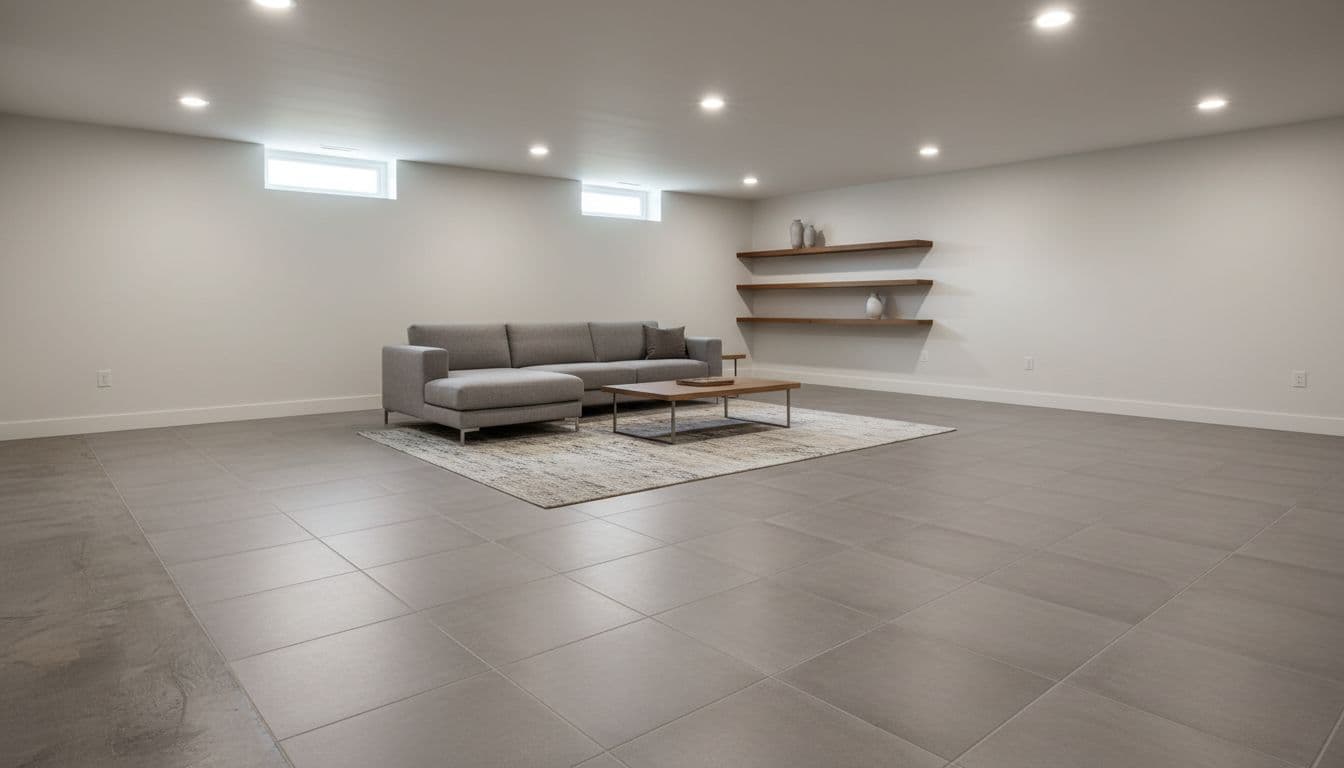
Tile also works well when we want a clean, solid feel. Home gyms need durable basement flooring, and hobby rooms or storage-heavy basements benefit from its toughness, especially options like wood-look tile that provide the appearance of wood with the durability of stone. Chairs, weights, and rolling bins won’t bother it much. Tile is comfortable underfoot only when paired with radiant heating.
Still, tile has trade-offs. It’s colder without heat. It’s harder. It can feel unforgiving if the basement doubles as a playroom or TV lounge. Grout lines need attention over time with regular cleaning, especially in busy homes. Installation is labor-intensive too, often raising the cost per square foot compared to other materials.
We often recommend tile when the basement includes a kitchenette, half bath, or exterior door. That’s common when a homeowner is already working with a kitchen remodeling company Cumming families trust, because lower-level living spaces now do more than they used to. If the room may see splashes, tracked-in rain, or appliance drips, tile gives us peace of mind.
When LVP Wins for Most Finished Basements
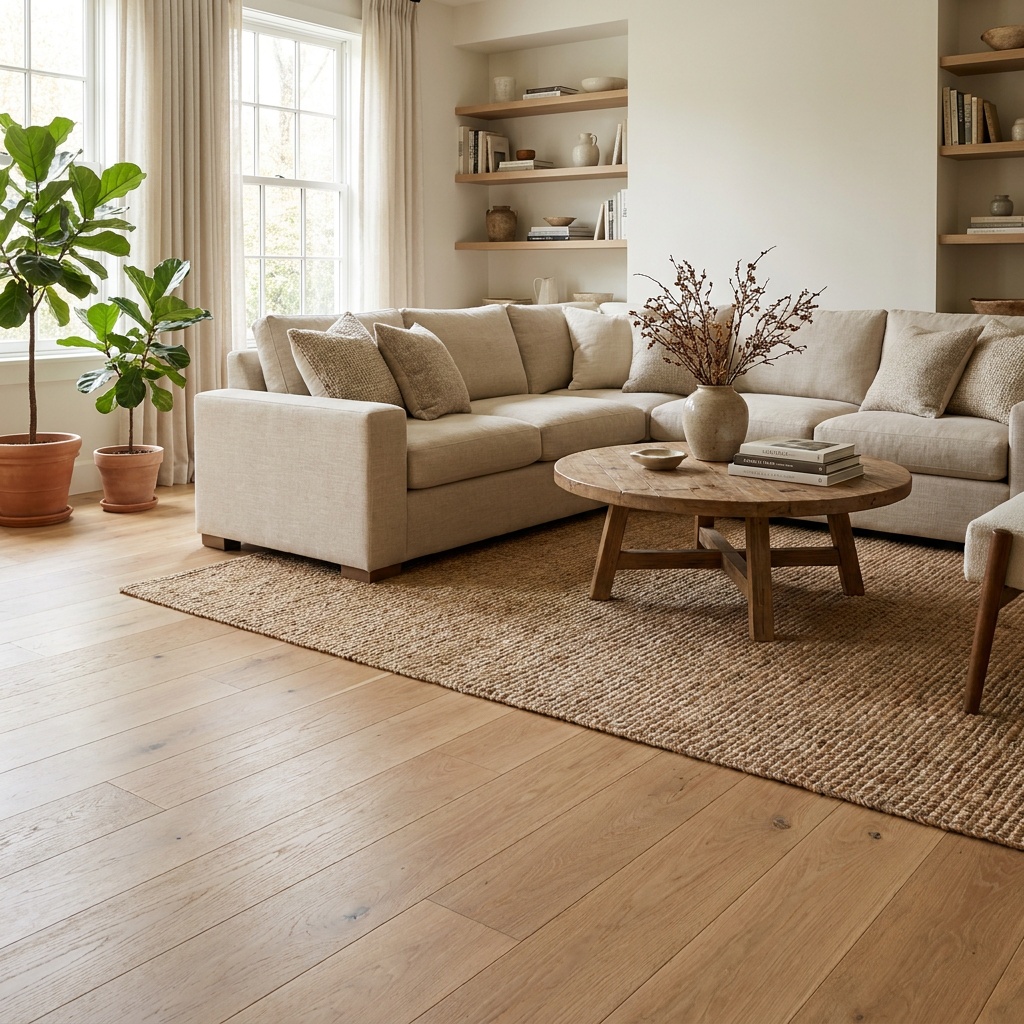
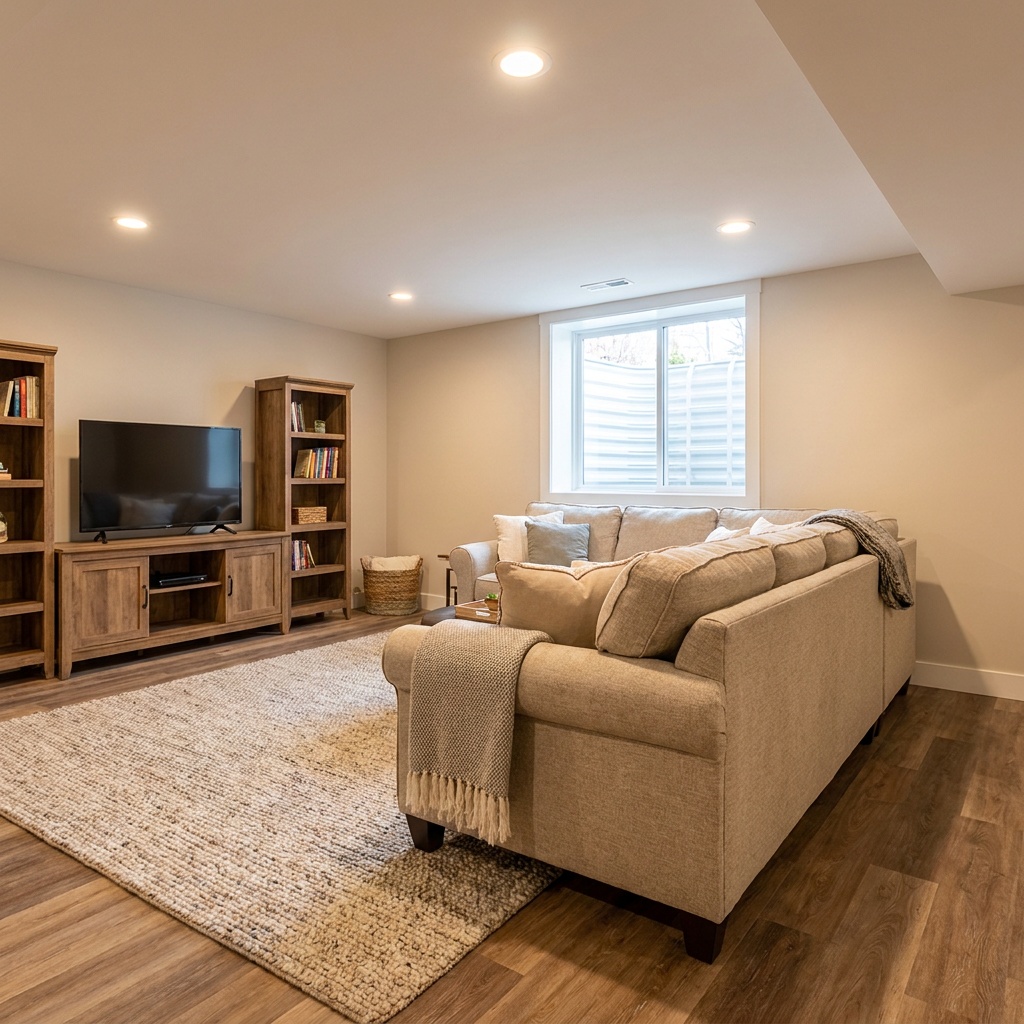
For many finished basements, luxury vinyl plank lands in the sweet spot. It gives us a wood look without the stress real wood can bring below grade. It’s warmer than tile, quieter to walk on, and more forgiving when kids, guests, or pets spend hours downstairs. Plus, its scratch resistance stands up well to pet claws and family traffic.
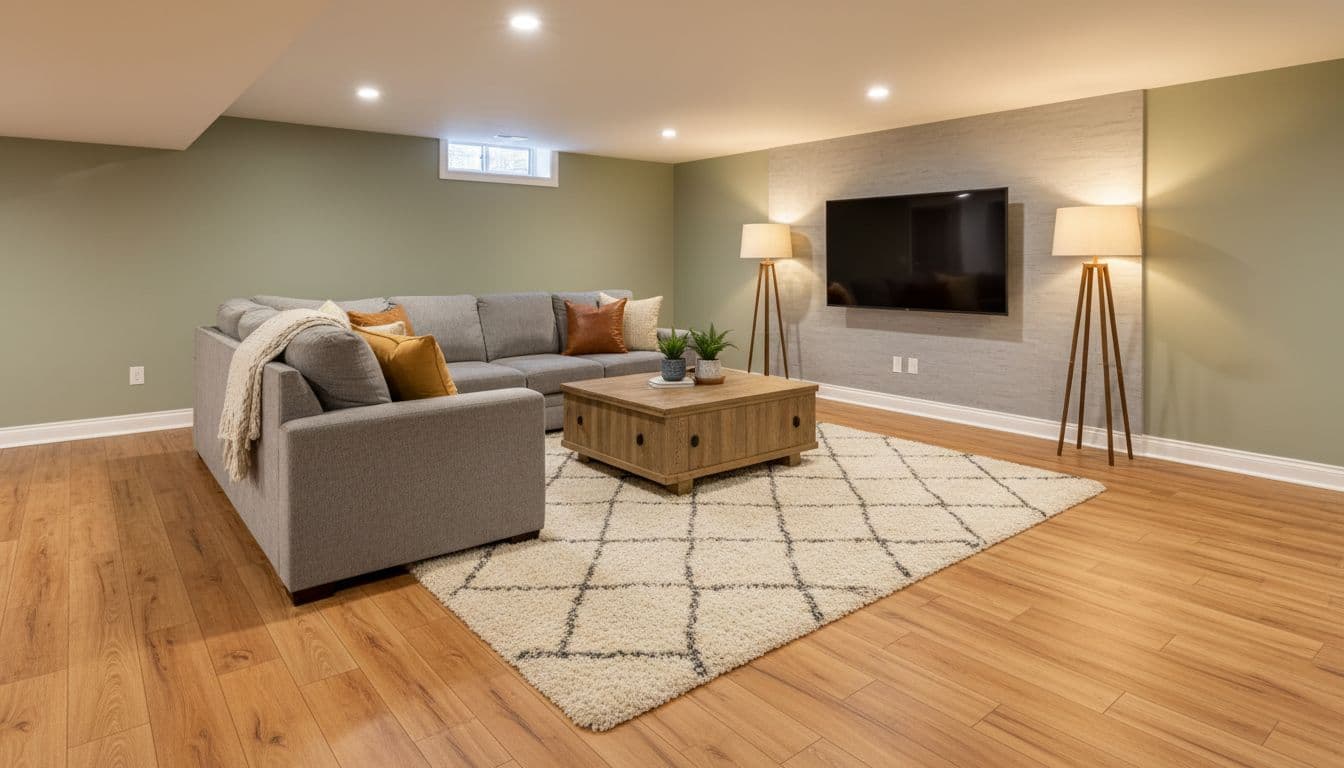
We often steer homeowners toward luxury vinyl plank options in Cumming or related luxury vinyl tile when the basement will be a den, guest suite, office, or game room. The click-lock system creates a floating floor over the concrete slab, which installs faster in many cases and feels more natural in spaces meant for lounging. If the stairs are part of the project, planning coordinated basement stair details at the same time keeps the whole lower level from feeling pieced together.
Luxury vinyl plank also helps when we want design flexibility. Wide planks, lighter oak looks, softer textures, and SPC flooring with rigid core structures make a basement feel less like a basement while staying stable in variable temperatures. That’s a big reason broader roundups, like this best basement flooring guide, keep returning to luxury vinyl plank as a strong all-around choice, especially as waterproof flooring with top-down protection.
Its downside is simple. If the slab has moisture issues, a floating floor can hide trouble until the smell or movement shows up. That means subfloor preparation matters. We need a flat subfloor, smart moisture control with an underlayment or vapor barrier to prevent mold and mildew, and the right luxury vinyl plank product for the space.
Our Take for Cumming Basements and Whole-Home Projects
In local homes, we rarely treat the basement as an isolated room. It connects to stairs, trim, and often the main level flooring. Because of that, homeowners searching for a hardwood floor company Cumming trusts, or a hardwood floor sanding company Cumming homeowners call, often ask us to tie the downstairs upgrade to older floors upstairs. When that happens, our hardwood floor sanding Cumming guide can help with the wood side of the plan.
As a hardwood floor company servicing Windermere, we see a common pattern. Waterproof flooring like tile works best in wet basement zones, while luxury vinyl plank works best in the main living area. In other words, the smartest answer isn’t always one product across the whole level.
If you’re ready to install new flooring Cumming homeowners can count on, we can help sort the layout, moisture risk, and finish choices for durable basement flooring. We’re also a remodeling company in Cumming, a kitchen and bathroom remodeling company Cumming Ga homeowners use for larger updates, and a kitchen remodeling company Cumming families call when floors need to line up with cabinets, baths, or stair work.
Final Verdict
If the basement faces real water exposure and potential water damage, porcelain tile is often the safer bet. If comfort, speed, and a wood-look finish matter more, LVP usually makes more sense. Maintenance and cleaning are straightforward for both luxury vinyl plank and tile. While LVP is more DIY friendly, professional installation ensures the wear layer and subfloor preparation are handled correctly. The best choice comes from the room’s job, not just the sample board.
For a free estimate, call (770) 906-4732. If you show us any written quote from another contractor, we’ll do the same scope for 5% less.