Glue-Down vs Floating Engineered Wood Basement Floors: Moisture, Comfort, Repairs
A basement can feel like the perfect extra room, until the floor starts acting like a mood ring. One humid week and everything feels fine. The next week, boards creak, edges lift, or the whole floor feels a bit “spongy.”
Glue down wood vs floating in basements
When we plan an engineered hardwood flooring installation in the basement, the big fork in the road is usually the install method: glue-down or floating. Both can look great. The difference is how they handle moisture risk to deliver strong moisture resistance, how they feel underfoot, and how painful (or simple) long-term repairs will be. The install method also determines the floor’s stability, especially over the subfloor in a damp basement environment.
Below, we break it down in plain language so we can pick the method that fits the basement we actually have, not the one we wish we had.
Basement moisture risk: what really changes between glue-down and floating
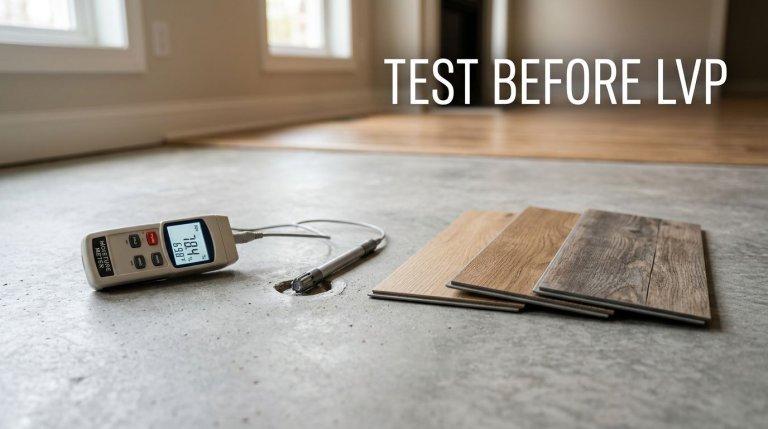
Basements aren’t just “below grade;” they sit next to a giant moisture source (soil), unlike plywood subfloors above grade. Even if we never see puddles, moisture vapor can still move up through a concrete subfloor due to humidity levels. That vapor is the quiet troublemaker behind adhesive failures, cupping, and musty smells.
Glue-down in a basement: strong bond, but the slab has to behave
A glue-down installation makes the engineered planks part of the slab system. When conditions are right, it’s a stable, solid feel. Many installers also use moisture-control primers or membranes, which can reduce risk when the slab is borderline.
The catch is simple: if the slab’s moisture is too high (or spikes later from a drainage issue), that strong bond becomes a weak point. Planks can release, or boards can stress and crown. Glue-down also demands a flatter slab, because the plank can’t “float” over humps.
Floating engineered wood: more forgiving movement, but moisture still matters
A floating installation is not glued to the slab. The planks connect to each other with a click-lock system and ride on top of underlayment. In basements, that underlayment is commonly paired with a moisture barrier.
Floating installs can be more tolerant of tiny slab cracks and minor shifting. But moisture can still get trapped under the system if the vapor barrier is sloppy, or if water comes from above (water heater, HVAC, storm seepage). That trapped moisture can lead to warping and buckling, odor, or underlayment breakdown.
If we want a deeper explainer on engineered wood basics and moisture sensitivity, we like this overview of engineered vs solid hardwood FAQs for the plain-English distinctions.
Our basement rule: we don’t choose glue-down or floating until we understand the moisture story, including drainage outside, indoor humidity control, and the slab’s condition.
Feel underfoot: “solid and quiet” vs “a little give” (and why it matters)
Homeowners often ask us about the “real wood feel.” In a basement, that comes down to contact points with the subfloor and cushioning.
Glue-down: firmer steps, less “drum” sound
Glue-down installation of engineered hardwood flooring usually feels closer to a traditional hardwood floor. There’s less flex because the plank is supported by adhesive and subfloor contact. This often means:
- A more solid step with sound absorption
- Less hollow sound in open areas
- Fewer complaints about “bounce” near heavy furniture
For families planning a media room, gym corner, or other high-traffic areas, that sound control can matter as much as the look.
Floating: softer on joints, but underlayment choice can make or break it
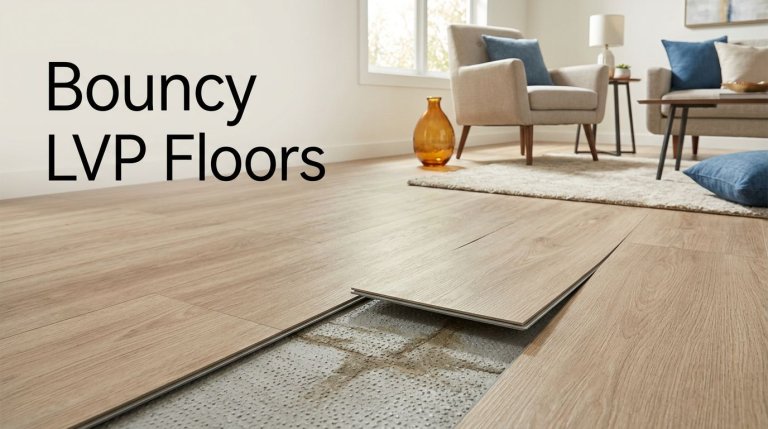
Floating installation can feel slightly cushioned. Some people love it, especially in basements where concrete can feel hard on feet and knees. But not all underlayments are equal. Too soft and the click joints can stress over time, while too thin underlayment lacks sound dampening and we’re back to the “drum” sound.
Temperature also plays into comfort. Concrete stays cooler, so a floating system with the right underlayment can feel warmer than a direct glue-down. Area rugs help either way, but we still want the base system to feel right day-to-day.
This is also where local expectations come in. When someone calls us for a hardwood floor Cumming project, they usually want that solid, high-end walk. In a basement, glue-down tends to deliver that feel more often, assuming moisture conditions are controlled.
Long-term repairs: replacing damaged boards without wrecking the whole floor
Basements see weird damage. A small leak at a bar sink. A dehumidifier overflow. A pet accident that goes unnoticed. When boards need replacing, install method decides the repair path.
Glue-down repairs: surgical work, higher labor costs
With glue-down, we’re usually cutting out the damaged plank, softening or scraping adhesive, cleaning the subfloor, then bonding a replacement. It’s precise work and often dusty. It can be done cleanly, but it’s rarely “quick.”
Glue-down repairs also bring a finish-matching problem. Even if the new board is the same product, sunlight and wear can make the old floor look different. In some cases we can blend it well with professional installation, in others it’s still visible.
Floating repairs: easier access, but not always a one-board swap
Floating sounds like the clear winner, but there’s a catch. If the damaged board is in the middle of the room, a true “perfect” repair may require unclicking tongue-and-groove rows back to the nearest wall, then reinstalling. That’s still often faster than scraping adhesive due to better installation speed, but it can mean moving furniture and base shoe. Floating floors are also more DIY-friendly.
For homeowners thinking ahead, we also talk about refinishing. Many engineered hardwood flooring products have a wear layer, but thickness varies. If you expect sanding in the future, we should choose a product designed for it. When clients search for a hardwood floor sanding company Cumming, we make sure they know engineered wood can sometimes be sanded, but not endlessly like thick solid hardwood.
A simple outside perspective on the install tradeoffs is this floating vs glue-down overview. We don’t agree with every blanket statement online, but the pros and cons list matches what we see on real jobs.
How we choose the right engineered wood basement system in Cumming (and nearby)
We can usually land on the right call by answering a few practical questions, starting with confirming a level subfloor as a key prerequisite for engineered hardwood flooring success:
Choose glue-down more often when:
- We’ve verified the slab is dry enough and we have a level subfloor for glue-down installation.
- We want a firmer, quieter floor with added stability for a finished living space.
- The basement layout is open, and we want fewer “hollow” zones.
Choose floating more often when:
- We want speed and easier future changes with floating installation.
- The slab has minor movement history, we have a level subfloor, and we want some forgiveness.
- Comfort underfoot is a top goal, and we’ve selected a proper underlayment.
No matter what, we plan around the details people forget. Expansion gaps at walls. Doorway transitions. Dehumidifier placement. The right moisture barrier strategy for the subfloor we have today, plus the expansion and contraction we’ll see with changing humidity levels every August in Georgia.
This planning also connects to bigger home goals. If we’re remodeling kitchen and bathroom Cumming Ga style and finishing a basement at the same time, we try to align floor heights, trim choices, and water-risk zones (like basement bars or laundry setups). And if you’re comparing neighborhoods and contractors, we’re used to helping homeowners who want a dependable Windermere hardwood floor company feel without guesswork.
When we install new flooring Cumming, we prefer a pre-install visit where we bring samples into your home, check lighting, take exact measurements, and write a custom quote. On install day, we plan the whole sequence, including removal of old flooring where needed, trim details, and a full cleanup so the room is usable again.
Call (770) 906-4732 for a free estimate. If you show us any written quote from another contractor, we’ll do it 5% less.
Glue-down vs floating isn’t a style choice, it’s a performance choice. In an engineered hardwood flooring basement, moisture control sets the limits, moisture resistance ensures the structural integrity of a cost-effective long-term solution, feel underfoot shapes daily comfort, and repair strategy decides how future problems get solved. For professional installation, if we get those three right, the floor stops being a worry and starts being the part of the basement that makes it feel finished.