Basement Flood Wood Floors Emergency Plan: The First 24 Hours (and What to Avoid)
When we step into a basement and hear that first soft squish underfoot, our brains race. Is the power still on? Is the wood ruined? What do we do right now?
A basement flood wood floors situation is a timing problem as much as it’s a water problem. Wood acts a bit like a sponge with a memory. It soaks up moisture, swells, and then tries to shrink back, sometimes in all the wrong directions.
In the next few minutes, we’ll lay out a clear first-24-hours plan to protect your family, limit damage, and keep your options open for repair, refinishing, or replacement.
Step zero: Safety comes first (before we touch the water)
Before we save floors, we protect people.
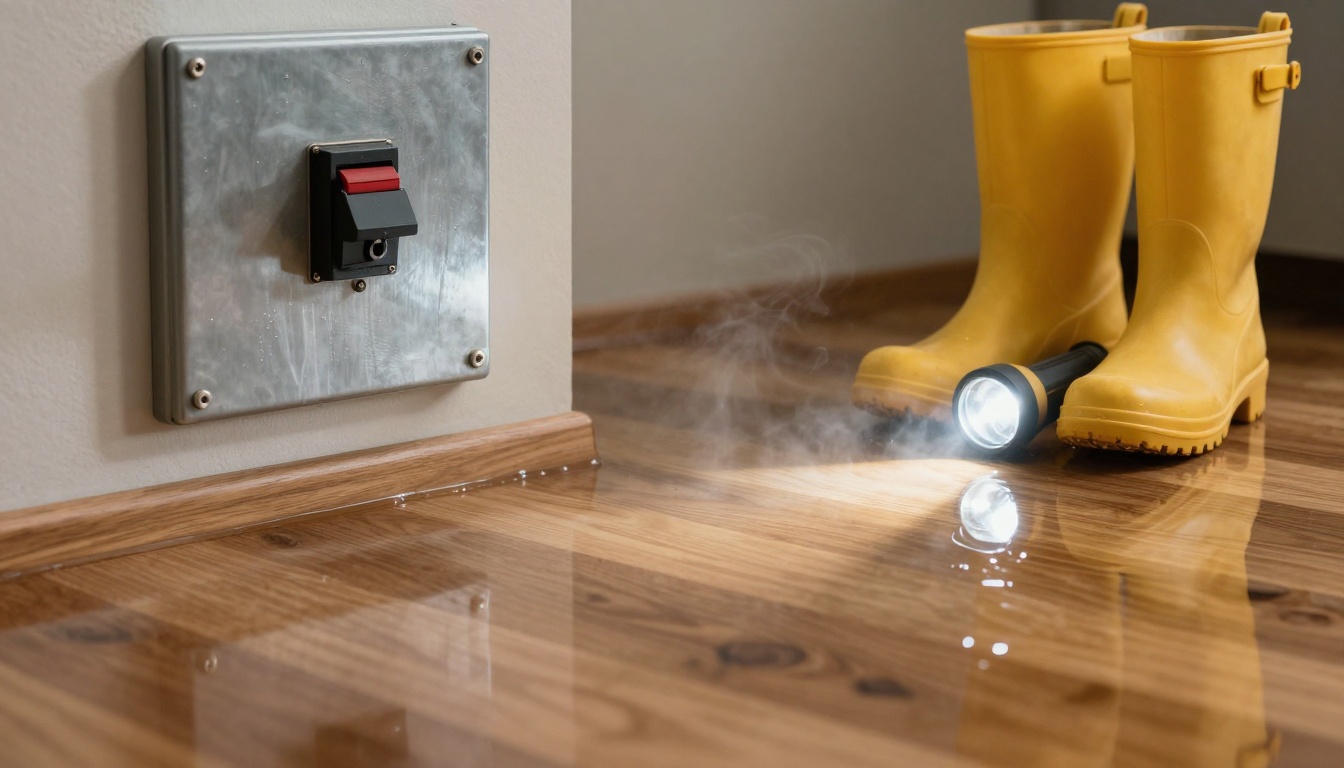
If there’s standing water and any chance outlets, cords, appliances, or a furnace area got wet, we don’t wade in. Water and electricity don’t forgive mistakes. If we can safely reach the breaker from a dry area, we shut off power to the basement. If we can’t, we call an electrician or the utility company.
We also treat floodwater like it’s contaminated until proven otherwise. Sewer backups, storm runoff, and even groundwater can carry bacteria. Gloves, boots, and a mask are smart basics.
If gas appliances were affected, we leave the area and contact the gas provider. Safety decisions in the first 10 minutes can prevent a bad day from turning into an emergency room visit.
First 2 hours: Stop the source, document, and start removing water
Once it’s safe:
Stop the water at the source: Shut off the main water valve for supply leaks, or address the sump pump or drain issue if that’s the cause.
Document everything: Quick photos and a short video of the water line, soaked materials, and the affected rooms help with insurance. Capture close-ups of flooring edges, baseboards, and any buckling.
Remove standing water fast: Use a sump pump (if appropriate) and a wet/dry vacuum to pull water off the surface. The goal is simple: less water in contact with wood means less swelling.
For a practical overview of tools and cleanup order, we like this guide on how to clean a flooded basement.
If the basement has finished walls, we also move cardboard boxes, rugs, and furniture off the floor immediately. Even if the wood can be saved, wet clutter traps humidity and slows drying.
Hours 2 to 6: Protect wood floors while we dry the space correctly
Water extraction near wood flooring with drying equipment in place,
This window is where many homeowners accidentally make wood damage worse. Our goal is controlled drying, not “blast it and hope.”
Get airflow moving across the floor: Fans and air movers should push air along the surface, not straight down into seams. Think of skimming a puddle dry rather than forcing water deeper into cracks.
Add a dehumidifier: Basements hold humidity like a closed cooler. A dehumidifier pulls moisture from the air so the floor can release moisture instead of re-absorbing it.
Remove wet rugs and pads: Rug pads can keep wood wet for days. We pull them up and get them out of the basement.
Consider loosening baseboards: If baseboards are tight to wet drywall, moisture can stay trapped. Carefully removing or loosening them can help the wall cavity breathe. We keep the pieces labeled so they go back to the right spot.
If water reached under floating floors or got into insulation behind walls, we often need targeted opening and drying. Trapped moisture is what invites odors and mold later.
Hours 6 to 24: Measure moisture, limit warping, and keep options open
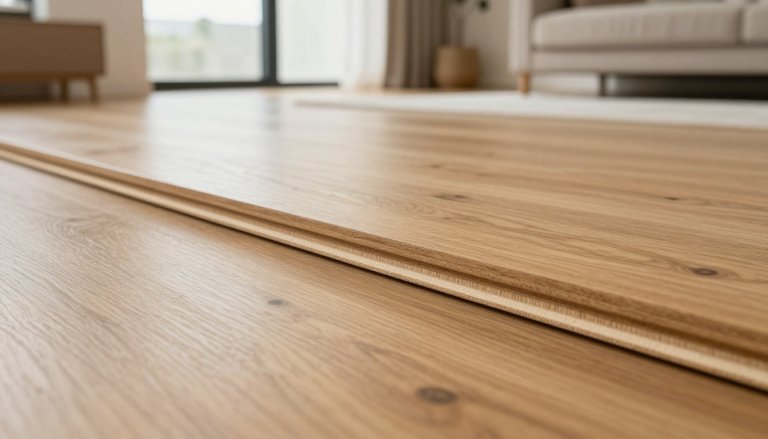
By this point, the floor may start to show cupping (raised edges) or crowning (raised center). That doesn’t automatically mean it’s ruined. It means the wood is reacting.
Here’s what we focus on:
Start measuring, not guessing: A moisture meter (or a restoration pro) helps us compare the wet area to a dry “control” area upstairs or in an unaffected room. What matters is the trend. Is moisture dropping day to day?
Keep drying consistent: We keep fans and dehumidifiers running and empty tanks or route drains as needed. We avoid turning equipment off “just for the night” because humidity rebounds fast.
Watch the edges and transitions: Wood near walls, under stairs, and at door thresholds often stays wetter longer. Those areas decide whether sanding and refinishing is possible later.
Don’t refinish yet: Refinishing too early can trap moisture under stain or finish and lock in future problems.
If you want another “day-after” checklist, this article on what to do the day after a basement flood aligns with what we see in real homes.
What to avoid in the first 24 hours (common mistakes we see)
The fastest way to lose a saveable floor is to panic-dry it.
Space heaters aimed at wet wood: High, direct heat can dry the top faster than the bottom, which increases cupping, cracking, and gaps later.
Closing the basement to “contain the mess”: Closed doors and windows can keep humidity trapped. We need controlled airflow and dehumidification, not a sealed sauna.
Mopping with harsh cleaners or bleach: Floodwater cleanup matters, but strong chemicals can discolor wood and raise grain. For wood, we stick with gentle cleaning after extraction, then focus on drying.
Sanding right away: This is a big one. Sanding a wet floor can cause severe unevenness after it dries and moves again. We wait until moisture levels stabilize.
After the first day: Repair, refinish, or replace (and plan the next steps)
Once the emergency is under control, we decide what’s realistic for your home and budget.
If you’re trying to save a hardwood floor Cumming homeowners rely on for resale and comfort, we often start with an in-home assessment and moisture checks, then map out options. In some cases, a hardwood floor sanding company Cumming homeowners trust can refinish after the wood returns closer to normal moisture.
If boards are delaminated (common with some engineered products), subfloors stayed wet too long, or odors won’t clear, it may be time to install new flooring Cumming homeowners choose for basements, like waterproof LVP or tile.
And if the flood exposed bigger issues (failed bathroom supply line, laundry drain problems, damaged vanity bases), many families roll it into remodeling kitchen and bathroom Cumming Ga projects to avoid doing demolition twice.
For our neighbors searching for a Windermere hardwood floor company, we can help you compare repair vs replacement with real numbers, not guesses.
Call (770) 906-4732 for a free estimate. If you show us any existing quote from another contractor, we’ll do it 5% less.
Conclusion
A basement flood feels chaotic, but the first day is mostly about three things: safety, fast water removal, and controlled drying. When we avoid extreme heat, avoid rushing into sanding, and track moisture the right way, we give wood the best chance to recover. If you want a clear plan for your home, call (770) 906-4732 for a free estimate, and we’ll help you decide what makes sense next.