Low-VOC Flooring Options for Cleaner Indoor Air
Indoor air can change fast after a remodel. Floors, adhesives, sealers, and underlayments often release more odor than people expect, and the smell can linger long after the dust is gone.
When we choose low-VOC flooring, we reduce one of the biggest sources of indoor irritation without giving up style. That matters in bedrooms, kitchens, basements, and any room where we spend hours at a time.
The right choice depends on the room, the installation method, and the finish. We can sort through those pieces and still end up with a floor that looks good and feels better to live with.
Key Takeaways
- The floor finish, adhesive, and underlayment matter as much as the surface material.
- Solid hardwood, tile, and certified engineered products often perform well for indoor air.
- Bathrooms and basements need moisture-aware flooring, not just low-emission materials.
- Refinishing existing hardwood can improve air quality without full replacement.
- A good installer should explain certifications, dust control, and cure times before work begins.
What Low-VOC Flooring Really Means
VOC stands for volatile organic compounds, which are chemicals that move into the air as products cure or age. Some come from finishes, some from glues, and some from the core of the product itself.
That is why a floor can look clean and still create odors. A low-emission label on the surface does not help much if the adhesive, pad, or coating carries the heavier load.
We often look for certifications like FloorScore, GREENGUARD Gold, CARB2, and TSCA Title VI. They do not replace good installation, but they give us a better way to compare products without guessing.
A fresh smell is not proof of clean indoor air.
In most homes, hard-surface floors make the easiest path to lower emissions. Carpet can be chosen carefully, but it usually holds dust and odors longer than wood, tile, or stone.
Best Low-VOC Flooring Options for Different Rooms

The best flooring choice depends on how we use the room. A dry bedroom has different needs than a bath or a basement, and the wrong match can create moisture or odor problems later.
| Flooring option | Why it works | Watch-outs | Best rooms |
|---|---|---|---|
| Solid hardwood with a water-based finish | Natural look, long life, refinishable | Needs proper acclimation and skilled finishing | Living rooms, bedrooms, stairs |
| Engineered hardwood with low-VOC adhesive | Real wood appearance, more stable in changing humidity | Core quality varies, adhesive matters | Main floors, upper levels |
| Porcelain or ceramic tile | Very low emissions once installed, easy to clean | Mortar and grout still matter | Kitchens, baths, mudrooms |
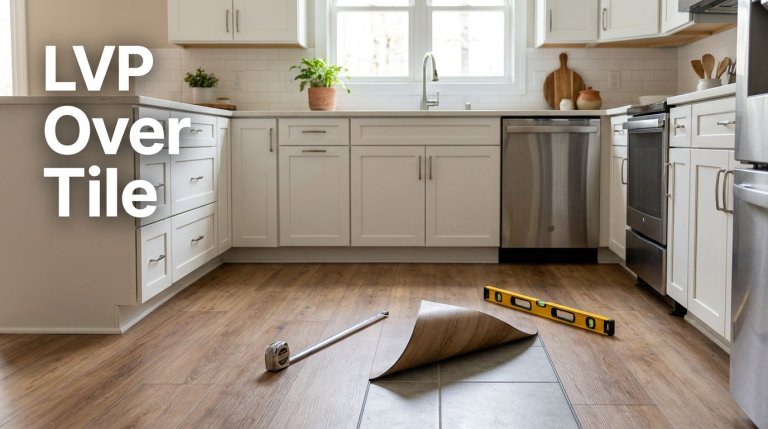
| Luxury vinyl plank with certification | Durable, water-resistant, practical for busy homes | Not all products are equal, check the label | Basements, family rooms |
| Cork or linoleum | Can be low-emission and comfortable underfoot | Needs moisture care and proper sealing | Bedrooms, offices |
For most homes, the decision comes down to moisture and traffic. Hardwood brings warmth, tile brings easy cleaning, and certified LVP helps in damp or busy spaces.
Low-VOC carpet can work in some rooms, but hard surfaces usually win when indoor air is the top concern. If we want softer footing, cork can be a smart middle ground, as long as the room stays dry.
How Room Use Changes the Right Choice
Living rooms, bedrooms, and stairs
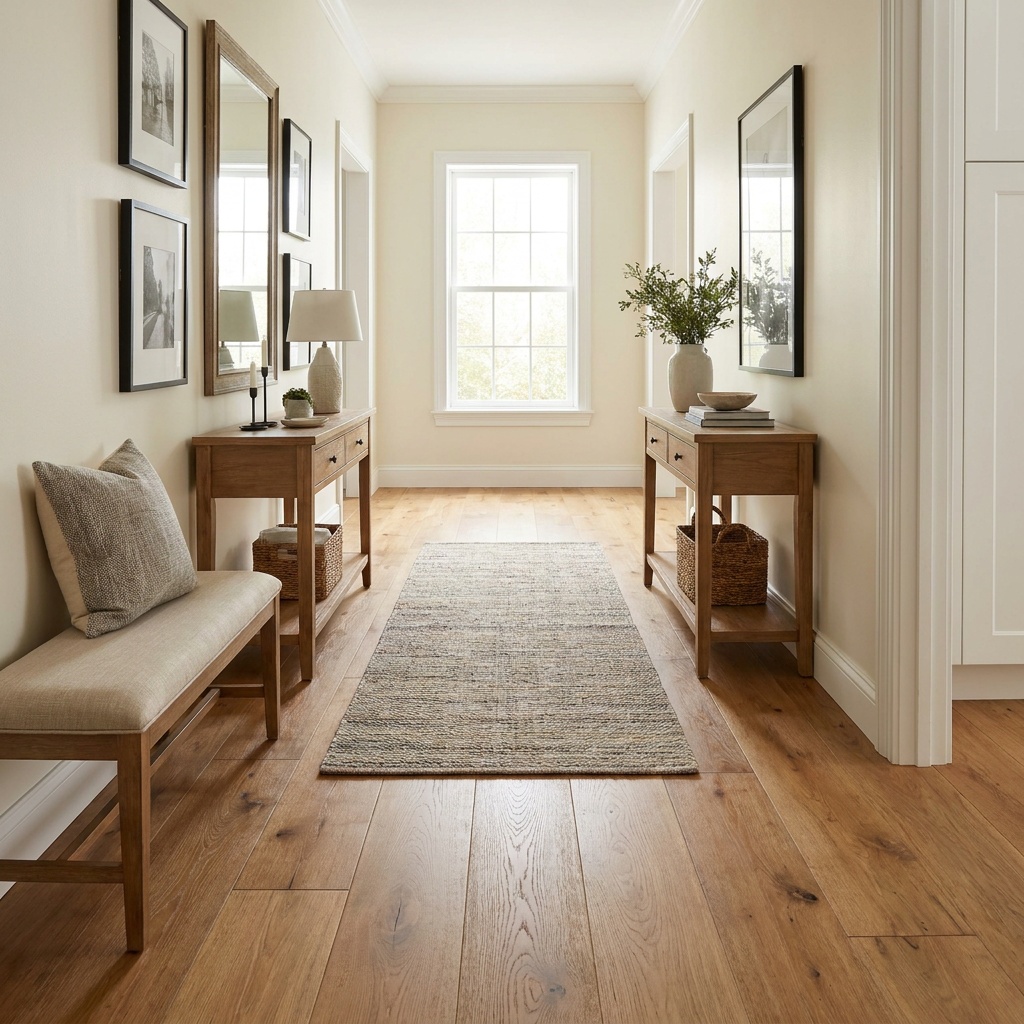
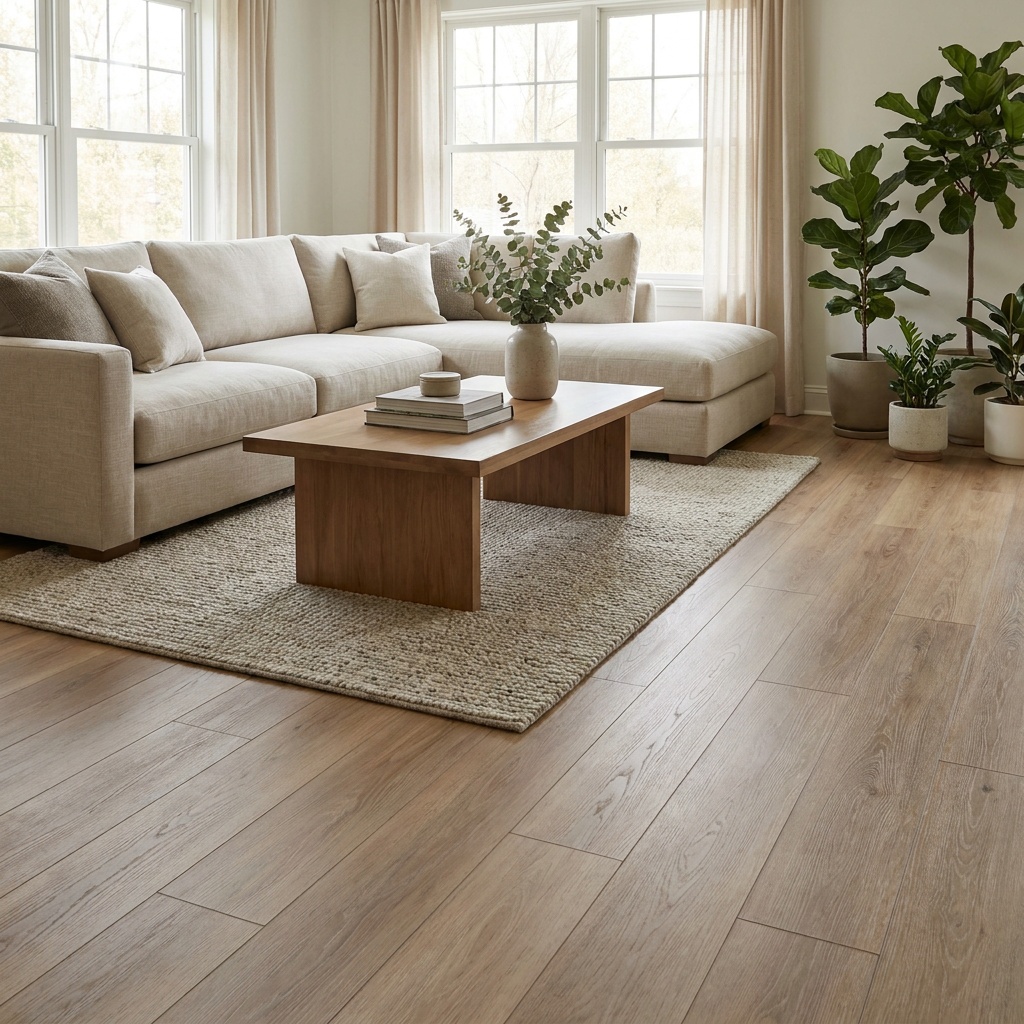
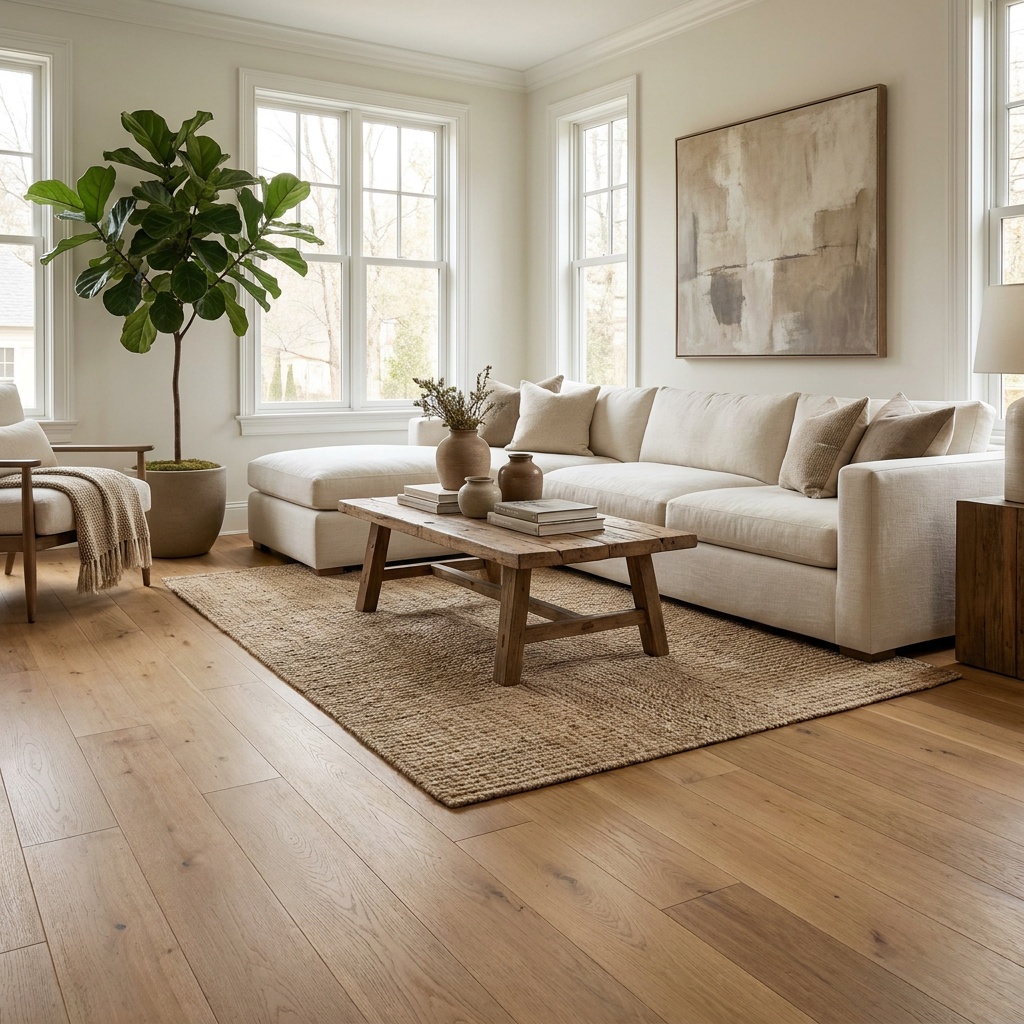
Living spaces often benefit from solid hardwood or engineered hardwood with a water-based finish. Those rooms get daily use, but they do not face the same moisture swings as a bath or laundry room.
Stairs deserve special attention because they take abuse and stay visible all the time. A clean hardwood system on the main level and stairs can create a consistent look, while a low-odor finish keeps the house livable during the project.
Bedrooms are often the best place to focus on comfort and air quality at the same time. If we want a warmer feel underfoot, low-emission cork or a carefully selected carpet may fit, but we should compare the full system, not just the surface.
Kitchens, baths, and basements
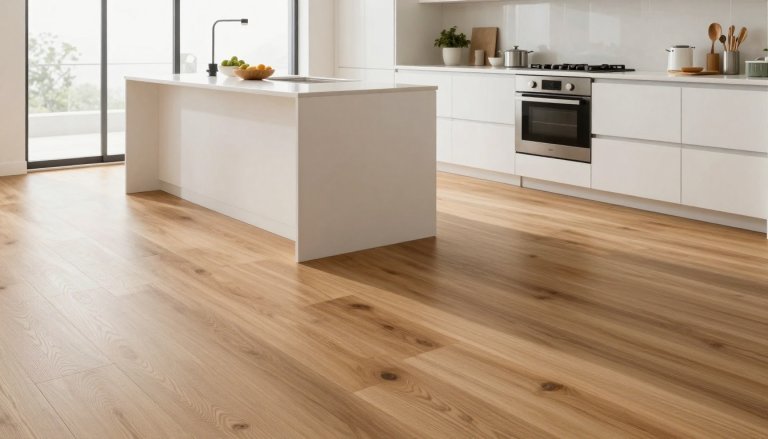
Kitchens and bathrooms need flooring that can handle spills and routine cleaning. Tile is still one of the strongest choices there, while certified engineered products and some LVP lines can also work well when the product and substrate are right.
Basements bring a different challenge, because moisture can rise through the slab. Before we install anything, we need to test the space, check for dampness, and choose a floor that matches the conditions.
That is where a bathroom remodeling contractor near me search often leads people to look at flooring, too. Once we start changing tile, shower walls, or vanities, the flooring choice has to work with the whole room.
Refinishing Existing Hardwood With Lower Emissions
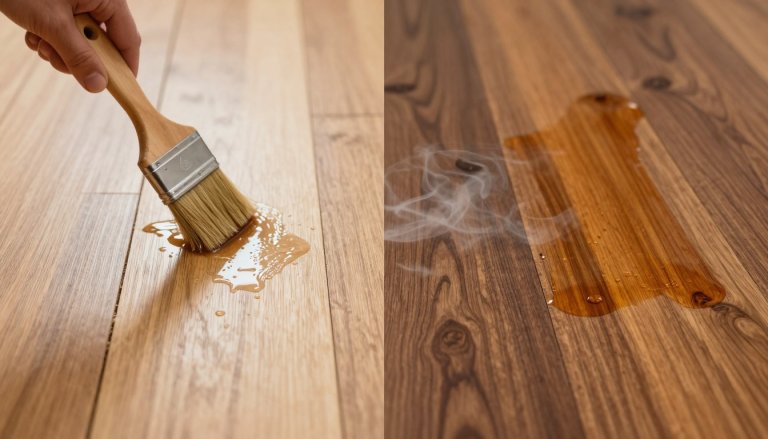
If the current hardwood is in good shape, sanding and refinishing may be the smartest path. We keep the original wood, cut down on replacement materials, and avoid bringing in a full new layer of adhesive.
A hardwood floor sanding company Cumming should talk about dust containment, sanding stages, and finish options before any work starts. Water-based polyurethane usually gives off less odor than oil-based products, and it often cures faster.
A little patience helps here. Freshly finished floors need time to dry and harden, and pets, kids, and heavy furniture should stay off them until the finish is ready.
If the boards are cupped, deeply stained, or worn too thin, replacement may make more sense. Still, many homes can get a cleaner result with sanding alone than with a full tear-out.
If the wood is sound, refinishing can be the cleanest upgrade we make.
Working With a Local Flooring and Remodeling Team

Good results come from the product and the install. A floor with low emissions can still disappoint if the adhesive is wrong, the subfloor is uneven, or the room is not acclimated before installation.
For a broader look at materials and project scope, our professional flooring installation services page is a useful starting point.
When homeowners search for a hardwood floor company Cumming, a hardwood floor sanding company Cumming, or a crew to install new flooring Cumming, they usually want one team that can explain the material, the prep, and the cleanup. The same is true when they need a kitchen remodeling company Cumming, a bathroom remodeling contractor near me, or a remodeling company in Cumming that can manage floors, stairs, and trim together.
We hear the same priorities from people looking for a hardwood floor company servicing Windermere, and from those searching for a kitchen and bathroom remodeling company Cumming Ga. Basement finishing company near me when the project reaches more than one room.
If we see a written quote from another contractor, we can do the same scope at 5% less. For free estimates, call (770) 906-4732.
Conclusion
Low-VOC flooring is less about one product label and more about the full system. The surface, finish, adhesive, pad, and install all shape the air we breathe after the work is done.
When we match the room to the right material, the results last longer and feel better day to day. That is true whether we refinish old hardwood, put in tile for a bath, or choose a certified engineered floor for a busy family room.
Clean indoor air starts with the details under our feet. If we pay attention to those details, we get a home that looks better and feels easier to live in.