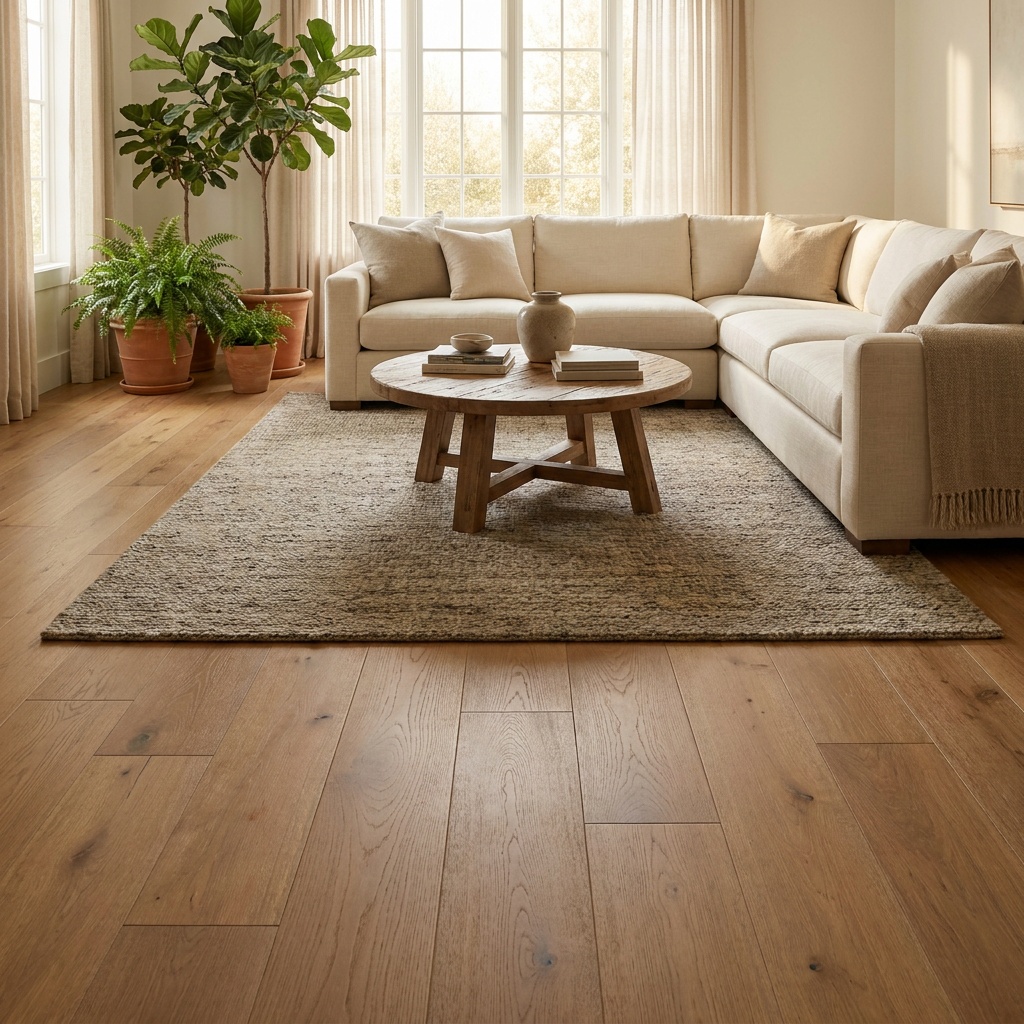
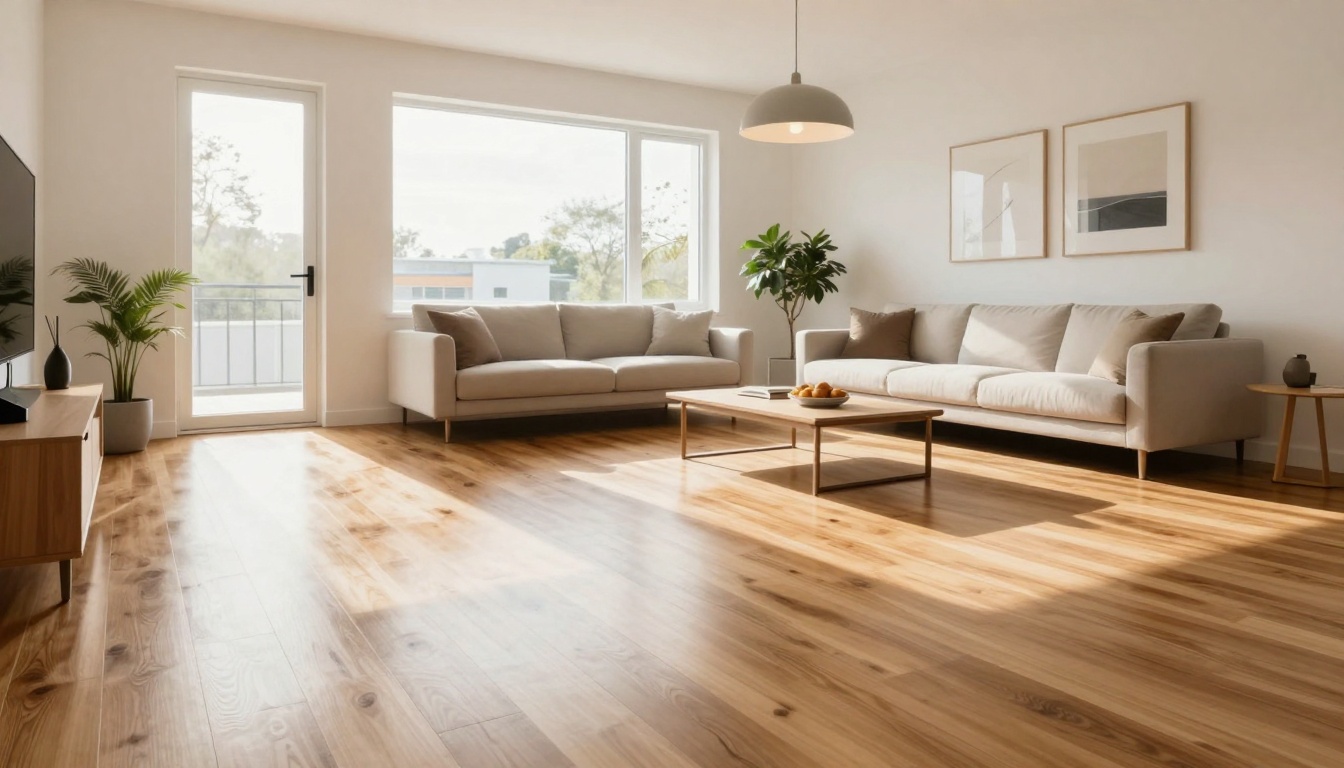
How New Hardwood Floors Add Dollars to Your Home Sale Price
Buyers don’t fall in love with a spreadsheet. They fall in love with a feeling, and floors shape that feeling within seconds of walking in.
In December 2025, we’re still seeing the same pattern: homes that look move-in-ready get stronger offers and fewer repair asks. New hardwood floors are one of the rare upgrades that buyers notice, trust, and price into their offer without much explanation.
Below, we’ll break down why hardwood floors resale value is more than a catchy phrase, and how to plan the right upgrade so it actually pays off.
Hardwood floors resale value starts with first impressions
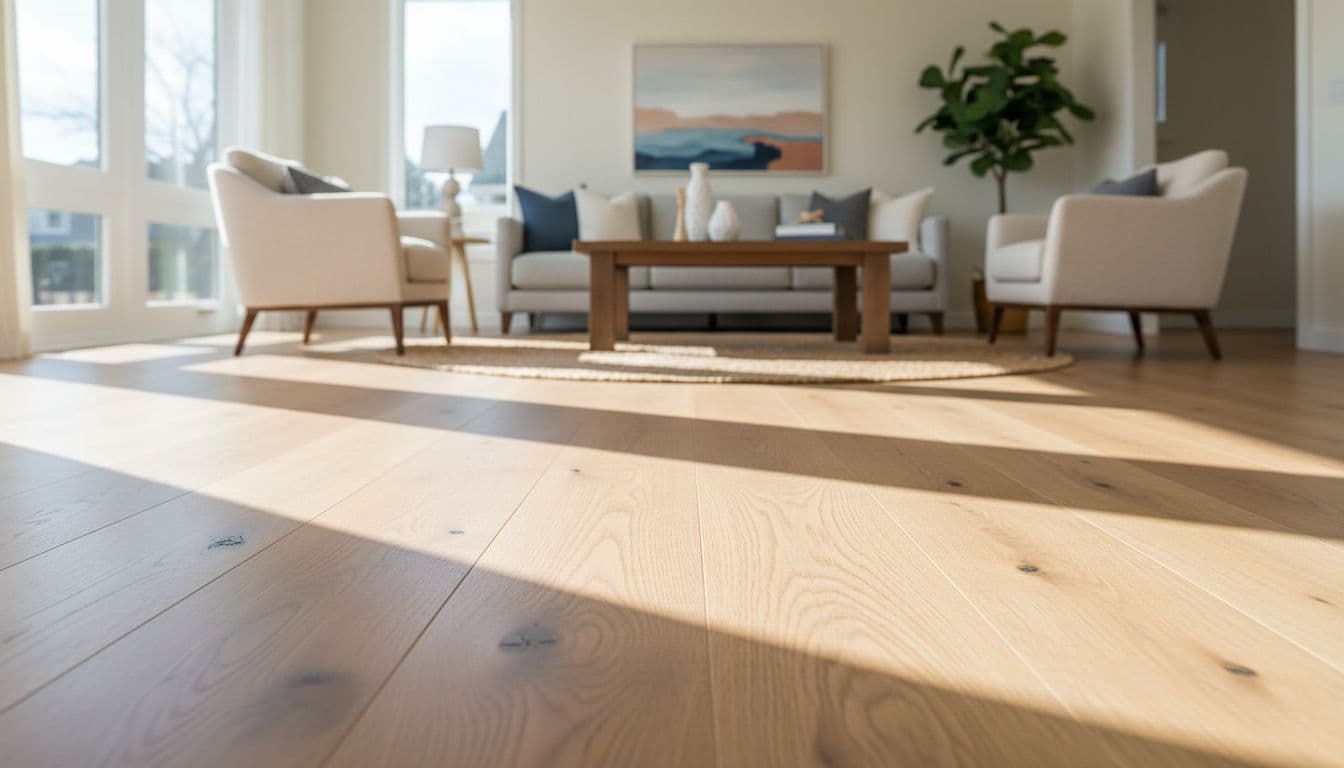
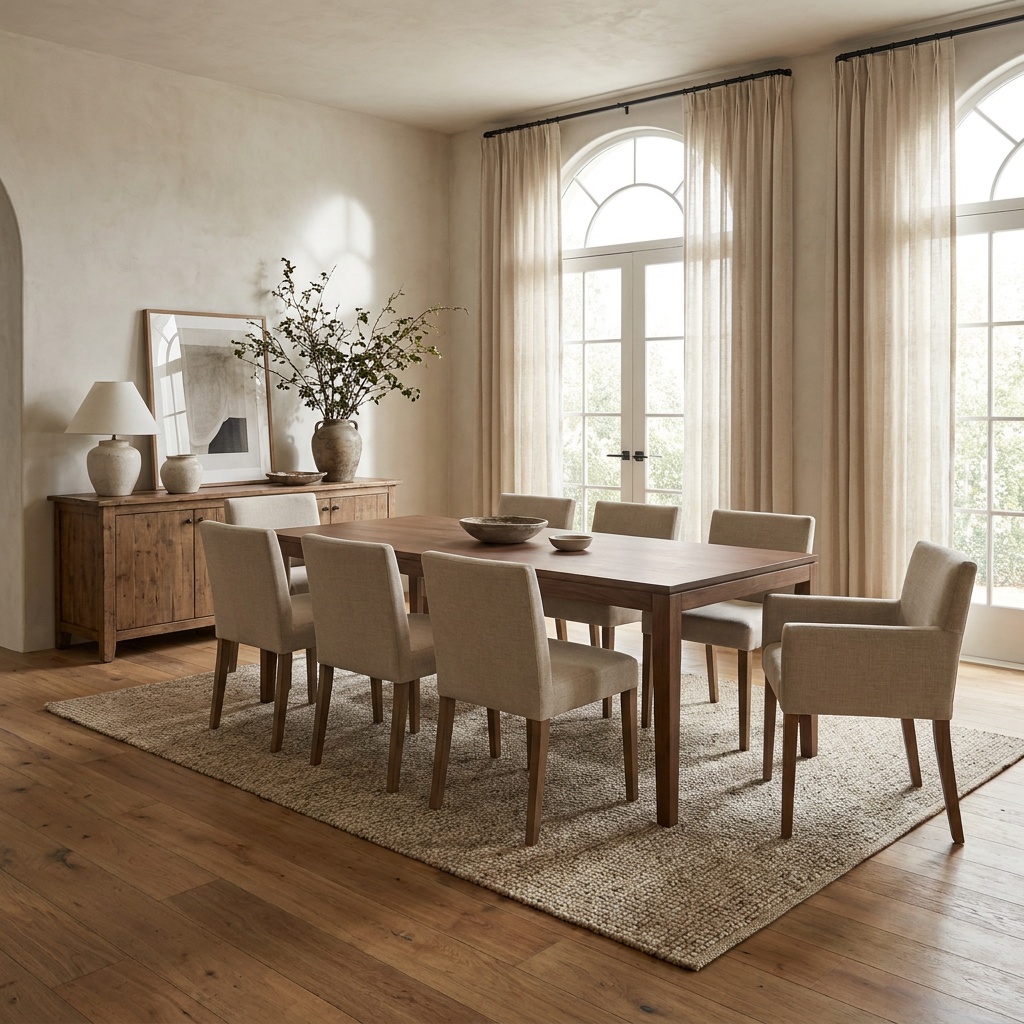
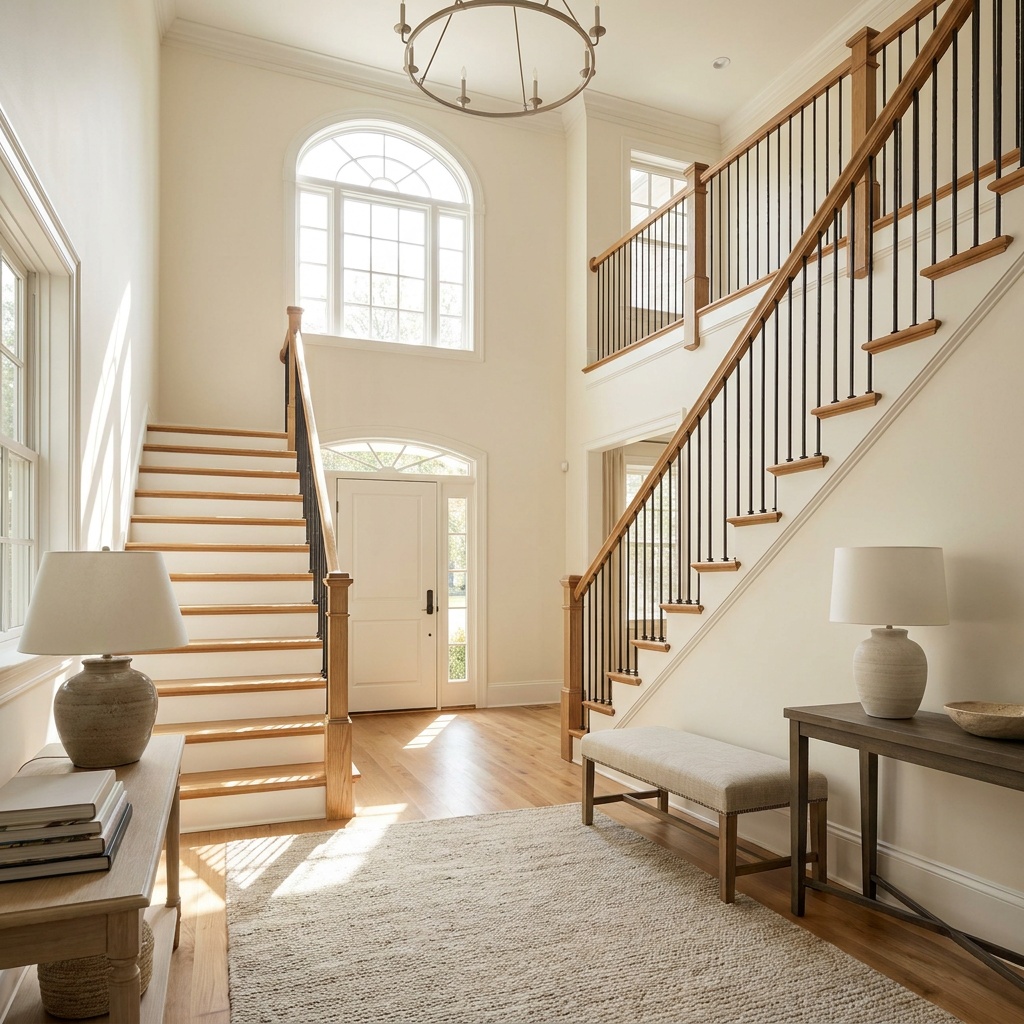
When buyers tour a home, they scan the big surfaces first: walls, ceilings, and the floor. Fresh paint helps, but a clean, continuous hardwood floor reads as “well cared for” in a way carpet and worn vinyl usually can’t.
Hardwood also acts like a neutral backdrop. It makes rooms feel more connected, and it photographs well for listing photos. That matters because many buyers form an opinion before they ever schedule a showing.
This is why hardwood often shows up in resale conversations from real estate groups like the National Association of Realtors, which highlights flooring choices that tend to appeal to buyers.
New install vs. refinishing: when each option adds value
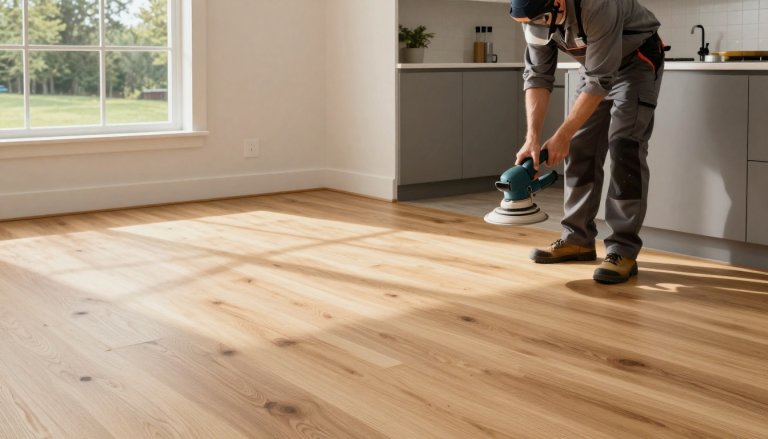
Sometimes the smartest move is to install new flooring. Other times, the better play is hardwood floor sanding and refinishing what you already have. The right choice depends on what’s under your feet today and what a buyer will see during a walkthrough.
Here’s how we think about it:
| Option | Best fit | What buyers tend to notice | Common risk |
|---|---|---|---|
| Refinish existing hardwood | Solid wood in decent shape, layout already works | “Original charm” plus fresh finish | Patchy stain or visible repairs |
| Install new hardwood | Missing hardwood in key rooms, heavy damage, bad layout transitions | “Consistent, updated, intentional” | Rushed choices that clash with cabinets or trim |
If your current hardwood has deep pet stains, uneven boards, or lots of piecemeal repairs, refinishing can still look “fixed” instead of “fresh.” In that case, a new install may protect your sale price better.
What buyers (and inspectors) notice in a hardwood floor
A hardwood floor can raise value, but only if it looks right up close. Buyers don’t need to know the terms, they just notice when something feels off.
We see buyers react most to:
Consistency: One stain color throughout the main level usually feels higher-end than a “room-by-room” mix.
Transitions: Clean reducers and thresholds, especially at tile and carpet edges, signal a professional job.
Noise and bounce: Squeaks, soft spots, or a springy feel can make buyers worry about subfloors.
Edges and trim: Baseboards, shoe molding, and stair nosings should look intentional, not like an afterthought.
A good floor is like a tailored suit. Most people can’t explain why it looks sharp, but they can tell when it doesn’t.
Hardwood floor benefits that translate into buyer dollars
We hear “buyers love hardwood” all the time, but it helps to be specific about why it adds money.
The strongest hardwood floor benefits for resale are practical:
- Easier cleaning than most carpet, which matters to pet owners and allergy-conscious buyers.
- Long life when maintained, so buyers feel like they’re avoiding near-term replacement costs.
- Broad style appeal, especially in natural oak tones and medium sheens.
- Perceived quality, since many buyers associate wood with “real” materials.
If you want the upgrade to help your sale price, pick choices that won’t polarize. Ultra-dark stains, high-gloss finishes, and trendy gray washes can all narrow your buyer pool in a hurry.
A pre-sale hardwood plan that avoids stress and surprise costs
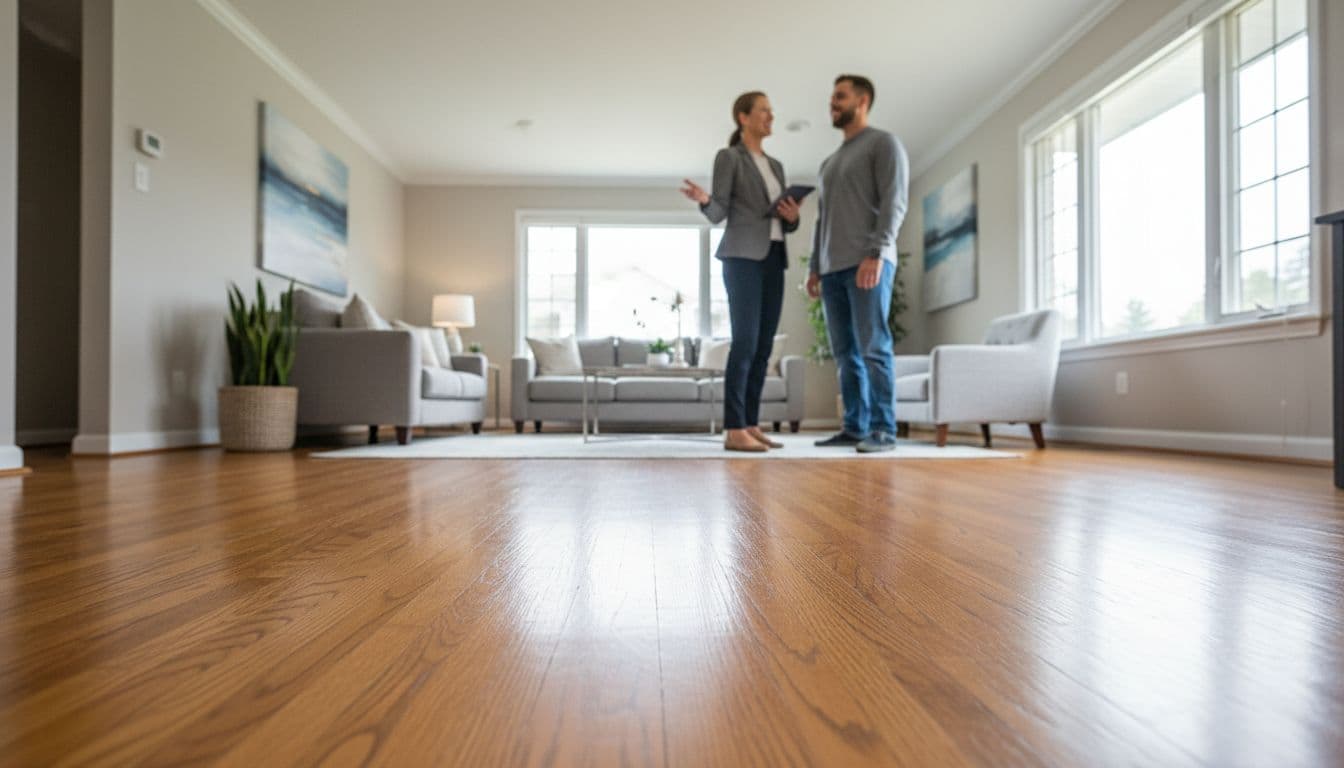
Pre-sale projects feel stressful because homeowners worry about timing, dust, and budget creep. The easiest way to stay calm is to follow a clear process and demand clear pricing.
A strong flooring workflow usually looks like this:
Choose with guidance: We start by narrowing options based on your home’s style, your timeline, and what buyers in our area respond to.
View samples where they’ll live: Lighting changes everything. Looking at boards inside your home (morning light, evening light, warm bulbs) prevents regret.
Measure, quote, and spell out the scope: A solid quote shouldn’t be vague. It should cover prep work, underlayment choices, installation steps, trim details, and cleanup expectations.
Install day that respects your home: The best crews protect surfaces, handle debris, and leave the space clean enough to stage.
If you’re in Cumming, Sugar Hill, or Suwanee, we can help. Call Cumming Floors to schedule a consultation and we’ll map out the best approach, whether you’re refinishing or replacing.
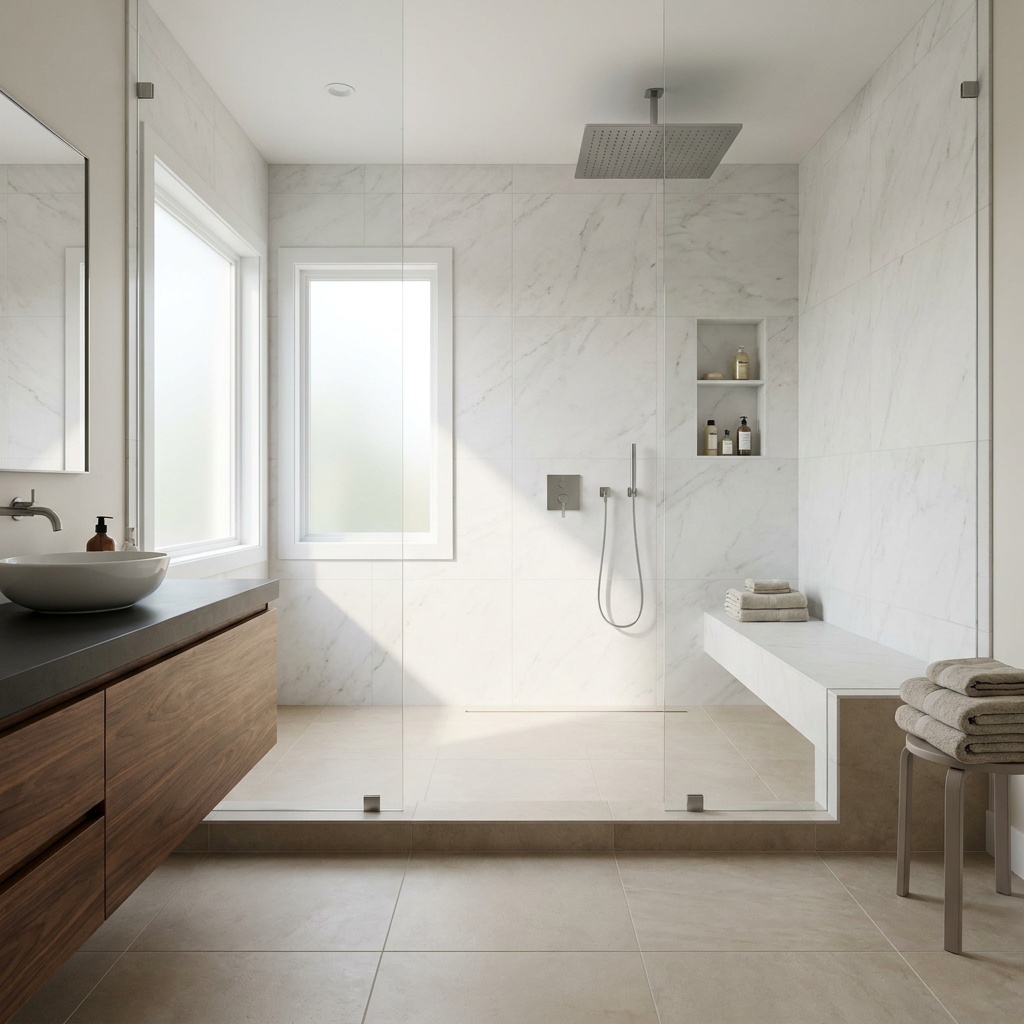
Pairing floors with updates: remodel kitchen and bathroom to add to value of house
Floors don’t exist in isolation. They touch your cabinets, your tile lines, and the whole color story of your home.
When we coordinate flooring with a kitchen or bath refresh, the result looks intentional, and buyers pay for that confidence. It’s also where planning prevents expensive rework, like discovering the dishwasher won’t clear the new finished height.
If your broader goal is to remodel kitchen and bathroom to add to value of house, we recommend planning the flooring early and working with a qualified remodeling company so everyone agrees on:
- Finished floor heights and transitions
- Moisture strategy around dishwashers, sinks, and showers
- Where hardwood stops and tile begins
- Trim and baseboard details after cabinet or vanity changes
For a general overview of which projects tend to show strong return, this roundup on home improvements for return on investment is a helpful starting point.
Mistakes that shrink the return (and how we avoid them)
Hardwood can add dollars, but certain missteps can make buyers hesitate or ask for credits.
We watch out for:
Chasing trends over timeless: Buyers don’t all share the same taste. Whether you choose wide or narrow hardwood, the right fit depends on your home’s architecture, not online trends. Neutral, natural tones usually protect your upside.
Skipping subfloor prep: Flat floors matter. Prep isn’t glamorous, but it prevents squeaks and visible waves.
Ignoring layout flow: Random direction changes or awkward seams can make the home feel chopped up.
Rushing the finish: With refinishing, stain must be tested and applied evenly. With new installs, acclimation and correct spacing matter.
If we’re doing the work, we’d rather slow down for the right decision than speed into a result you can’t unsee.
Turn a “nice floor” into a higher offer
New hardwood floors don’t just look good, they reduce buyer doubt. When the floor feels clean, consistent, and professionally done, buyers often focus on living there, not fixing it.
If we want hardwood floors resale value to show up in the final sale price, we need the right plan, the right product, and the right execution. Whether we’re refinishing with hardwood floor sanding or choosing to install new flooring, the goal is the same: a home that feels ready on day one.