
Flooring Removal Cost Before a Cumming Renovation
Floor demolition is where a home improvement budget can change fast. Once old material comes up, hidden adhesive, damaged subfloors, and unexpected debris can turn a simple estimate into a larger project.
A realistic removal estimate includes more than pulling up carpet or tile. We price the material, access, disposal, subfloor condition, and the next phase of work before a new floor arrives.
Key Takeaways
- Plan on roughly $1 to $7 per square foot for flooring removal in Cumming, with carpet and floating floors often costing less than tile, stone, and glued materials.
- A reliable estimate should separate demolition labor, access, stairs, adhesive or fastener removal, disposal, trim work, and subfloor repairs.
- Inspect the exposed subfloor for moisture damage, soft plywood, cracked concrete, uneven areas, and adhesive residue before ordering new flooring.
- Use extra caution with pre-1980 vinyl, tile, backing, and mastic because asbestos testing and licensed abatement may be required before demolition.
- DIY removal can work for clear-room carpet or floating flooring, while tile, glued products, heavy debris, and structural repairs are better priced with professional help.
Flooring removal cost in Cumming: A Useful Starting Range
Most Cumming homeowners should plan on roughly $1 to $7 per square foot for removal, although carpet and vinyl flooring removal often fall below that range. Tile, stone, and glue-down products raise labor and disposal costs because they take longer to break apart and haul away.
Use a cost calculator with these table ranges to begin your budget:
| Existing flooring | Typical removal range per square foot | What raises the price |
|---|---|---|
| Carpet and pad | $0.40 to $2.00 | Staples, tack strips, furniture, stair work |
| Floating vinyl plank or laminate flooring | $0.50 to $2.00 | Transitions, damaged locking edges, disposal |
| Glued vinyl or sheet vinyl | $1.00 to $3.00 | Adhesive, multiple layers, concrete slabs |
| Nailed or glued hardwood | $2.00 to $5.00 | Fasteners, glue, board thickness, access |
| Ceramic tile or porcelain tile | $2.00 to $7.00 | Mortar bed, backer board, heavy debris |
| Natural stone | $3.00 to $7.00 or more | Weight, difficult removal, subfloor damage |
At the upper end, tile floor removal costs more because mortar, backer board, heavy materials, and hauling increase labor. These ranges cover demolition labor, not a complete renovation package.
Plan for disposal fees, trim work, floor leveling, and new materials separately. A Home Depot material price isn’t a demolition quote, so keep labor and disposal separate. Our Cumming flooring cost guide helps put removal beside current installation, refinishing, and stair-work budgets.
Get a Scope That a Contractor Can Price
A reliable flooring removal cost starts with an accurate work area. Room dimensions matter, but so do closets, hallways, landings, stairs, and transitions into tile or existing hardwood.
Measure every material zone
Measure each room separately, then mark where the materials change. A home may have carpet in bedrooms, floating vinyl plank in a family room, tile at an entry, and sheet vinyl in a laundry room.
Stairs need their own count. Each tread, riser, landing, and nosing takes handwork, so stair demolition should never disappear into a broad square-foot price.
We also check access before quoting. A second-floor room, narrow doorway, or long walk to the driveway can add labor time and increase the hauling requirement.
Request separate line items
Ask whether the contractor is using a square foot rate or a fixed project amount. Then request separate line items for carpet removal, subfloor replacement, haul-away, baseboards, and installation.
For complex demolition, confirm whether professional removal is included in the quoted scope. A low allowance may omit adhesive removal, hauling, or repairs.
A quote that bundles demolition into a single vague allowance can hide the cost of disposal, adhesive removal, and repair work.
Before signing, review the flooring installation contract checklist for details such as furniture moving, transitions, shoe molding, and who handles debris.
Adhesive, Fasteners, and Access Drive Labor
Material type tells only part of the story. Installation method often determines labor more than the material itself, especially during vinyl flooring removal.
Carpet and floating vinyl plank usually come up faster
Carpet removal involves cutting manageable strips, rolling the pad, pulling staples, and removing tack strips. A utility knife, pliers, pry bar, scraper, gloves, and eye protection cover many clear-room jobs. Compare basic tool costs at Home Depot before buying.
Floating laminate and floating vinyl plank generally come apart without heavy demolition equipment. However, swollen edges, glued repairs, and flooring installed beneath cabinets can slow the work. For a one-room project, check rental availability at Home Depot.
New floating vinyl plank can sometimes go over old vinyl if the existing surface is dry, flat, smooth, and firmly bonded. Loose seams, cushion-backed sheet goods, moisture damage, and floor-height problems call for removal instead.
Tile, stone, and glued flooring need stronger tools
Tile floor removal for ceramic tile, porcelain tile, and natural stone often needs stronger tools. Mortar beds, backer board, weight, and slab preparation increase labor. A rotary hammer or demolition hammer may help with stuck mortar, while a floor scraper and HEPA vacuum help after grinding.
Glue-down hardwood and vinyl create similar challenges, so professional removal is worth pricing when stronger equipment, containment, or extensive scraping is required. An adhesive remover may help small glued-vinyl areas, while a hand floor scraper suits limited work. During hardwood removal, test an adhesive remover on a small glue-down area before choosing a powered scraper for larger rooms. We budget for containment and cleanup because no demolition job is completely dust-free.
Plan Debris Disposal Before It Fills the Driveway
Old flooring takes up more space than many homeowners expect. Carpet rolls are awkward, while tile and stone debris become heavy fast. A full kitchen or main-level tear-out can also mix wood, underlayment, trim, padding, and packaging.
Your contractor can haul the debris, you can arrange a junk-removal pickup, or you can rent a dumpster for a larger project. Compare disposal fees, container size, labor, and the number of trips before choosing. Self-hauling may cost less for a small carpet job, but carpet rolls are awkward, while tile, stone, or mortar becomes heavy fast.
Check local limits before loading up
The Forsyth County recycling center information lists locations in Cumming and nearby communities, along with bag limits and residential trash fees. Those centers work well for ordinary household waste, but they are not automatically a disposal plan for a large flooring demolition.
Call ahead before transporting flooring debris to ask about acceptance, bagging, residential limits, and construction-waste rules. Containment can reduce airborne dust, but even a service marketed as “dustless removal” still requires cleanup and proper debris handling. We include disposal in our written scopes, so the driveway does not become a temporary landfill.
Budget for Subfloor Repair and Asbestos Testing
Removal exposes the layer that determines whether new flooring will perform well. A floor can look level until the old carpet, vinyl, or tile comes away.
Inspect the surface before choosing new flooring
Look for water staining, soft plywood, cracked concrete, loose fasteners, pet damage, or old adhesive ridges. Light patching and prep can run $0 to $400 on a typical room. Broad leveling or damaged subfloor replacement needs a separate measurement.
For hardwood, flatness matters as much as appearance. Our guide to hardwood installation and subfloor preparation explains why localized leveling can add $2 to $3 per square foot where the surface needs correction.
A concrete subfloor must be dry, flat, and stable before installing floating vinyl plank.
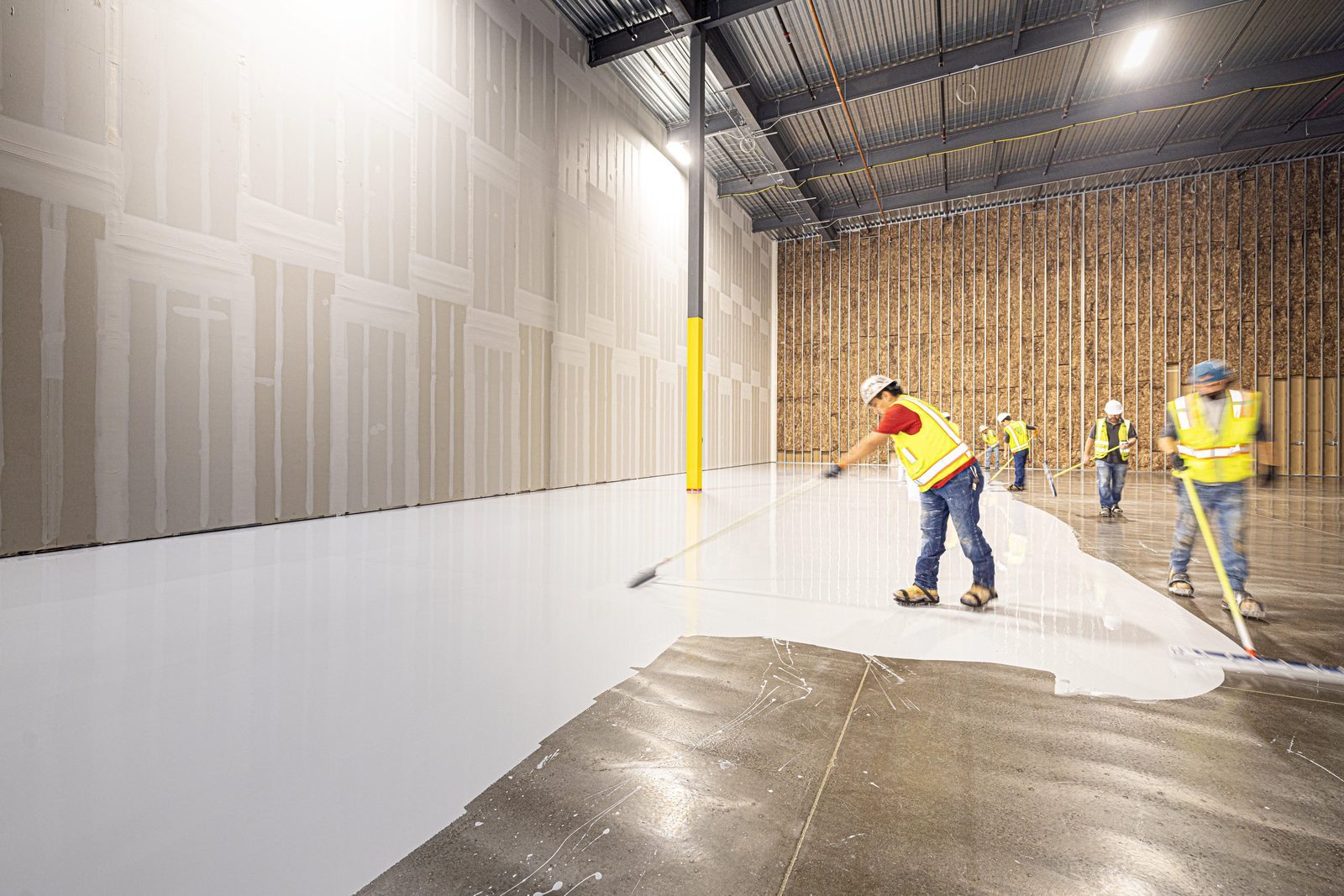
Photo by Craftsman Concrete Floors
Treat older vinyl and tile with care
Pre-1980 flooring deserves extra caution, but age alone does not prove a material contains asbestos. Older vinyl tile, sheet-vinyl backing, and some mastics may contain it.
The EPA’s asbestos flooring guidance warns against sanding or trying to level asbestos-containing flooring and its backing. Don’t apply adhesive remover to suspect mastic or backing until the material has been assessed. If asbestos is possible, use licensed professionals for testing and removal.
Georgia’s asbestos project notification rules include requirements for certain friable material removal projects. Georgia EPD also explains that intact floor tile can be non-friable, yet disturbance can change that condition in its asbestos FAQs. Testing and a licensed abatement plan come before demolition when there is doubt.
Decide Whether DIY Demo Saves Enough
DIY removal can reduce labor costs, but savings disappear when a project damages the subfloor, creates unsafe dust, or requires several extra disposal trips.
Keep DIY work to low-risk materials
A clear room with carpet, pad, floating vinyl plank, or floating laminate is usually a reasonable DIY candidate. Set aside $50 to $150 for basic tools, blades, protective gear, bags, and cleaning supplies. Check basic tool prices at Home Depot before buying.
Remove materials in manageable sections. When removing floating vinyl plank, work one section at a time. Pull staples as you go, keep doors closed to limit dust, and inspect the exposed surface before moving on. Stop when you find black mastic, suspicious backing, moisture damage, or a floor that needs power tools. Before difficult work, check Home Depot or another local rental source for specialty-equipment availability, and confirm the scope is safe.
Bring in help for tile, glue, and structural repairs
Professional removal makes more sense for tile floor removal involving ceramic tile or natural stone, plus extensive vinyl flooring removal. We use the right scraping and containment methods, including a floor scraper. We then identify whether the subfloor is ready for installation.
Professional work also helps when you need hardwood restoration rather than demolition. A hardwood floor sanding company in Cumming should inspect board thickness, stains, cupping, and previous sanding before recommending replacement.
Coordinate Flooring With Kitchen, Bath, and Basement Work
Flooring is scheduled early in many renovations, but its finished height affects surrounding finishes.
Set the demolition sequence before materials arrive
If new flooring follows cabinet or shower work, confirm the finished-floor thickness first. The kitchen contractor needs it for cabinet, appliance, and toe-kick clearances. Bathroom planning should account for toilet flange height, vanity placement, waterproofing, and tile transitions.
If multiple contractors are involved, assign each demolition task in writing. Clarify who handles debris removal, moisture checks, transitions, and floor repairs. For bathroom planning, explore custom bathroom remodeling services.
The same coordination applies to wood floors. Before choosing sanding or replacement, inspect the existing boards and confirm how the work fits into the renovation schedule.
Frequently Asked Questions
How much does flooring removal cost in Cumming?
Most homeowners should plan on roughly $1 to $7 per square foot, although carpet and floating flooring may fall below that range. Tile, natural stone, glued flooring, stairs, difficult access, and disposal can raise the final price.
What should a flooring removal estimate include?
The estimate should identify the material, measured work areas, demolition labor, access, stairs, debris disposal, and any adhesive or fastener removal. Ask for subfloor repairs, baseboards, transitions, and installation to be listed separately.
Can I remove flooring myself?
DIY removal is often reasonable for carpet, pad, floating vinyl plank, or floating laminate in a clear room. Tile, glued flooring, heavy debris, power-tool work, moisture damage, and suspicious older materials are better handled by professionals.
Should I inspect the subfloor after removing old flooring?
Yes, removal may reveal water staining, soft plywood, cracked concrete, loose fasteners, pet damage, or uneven areas. Repair and leveling should be addressed before new flooring is installed so the finished surface performs properly.
When should I test old flooring for asbestos?
Pre-1980 vinyl, sheet-vinyl backing, tile, and some mastics may contain asbestos, although age alone does not prove it. If asbestos is possible, avoid sanding, scraping, or applying adhesive remover until the material has been assessed by qualified professionals.
Finalize the Renovation Budget Before Demo Day
The lowest removal quote is not always the least expensive project. A Home Depot product price can benchmark new flooring, but it doesn’t compare demolition labor, disposal, subfloor work, or repair contingencies.
Call (770) 906-4732 for a free estimate before work begins. If you show us a current written quote from another contractor for the same scope, we will do it for 5% less.