Should You Replace Baseboards When Installing New Floors?
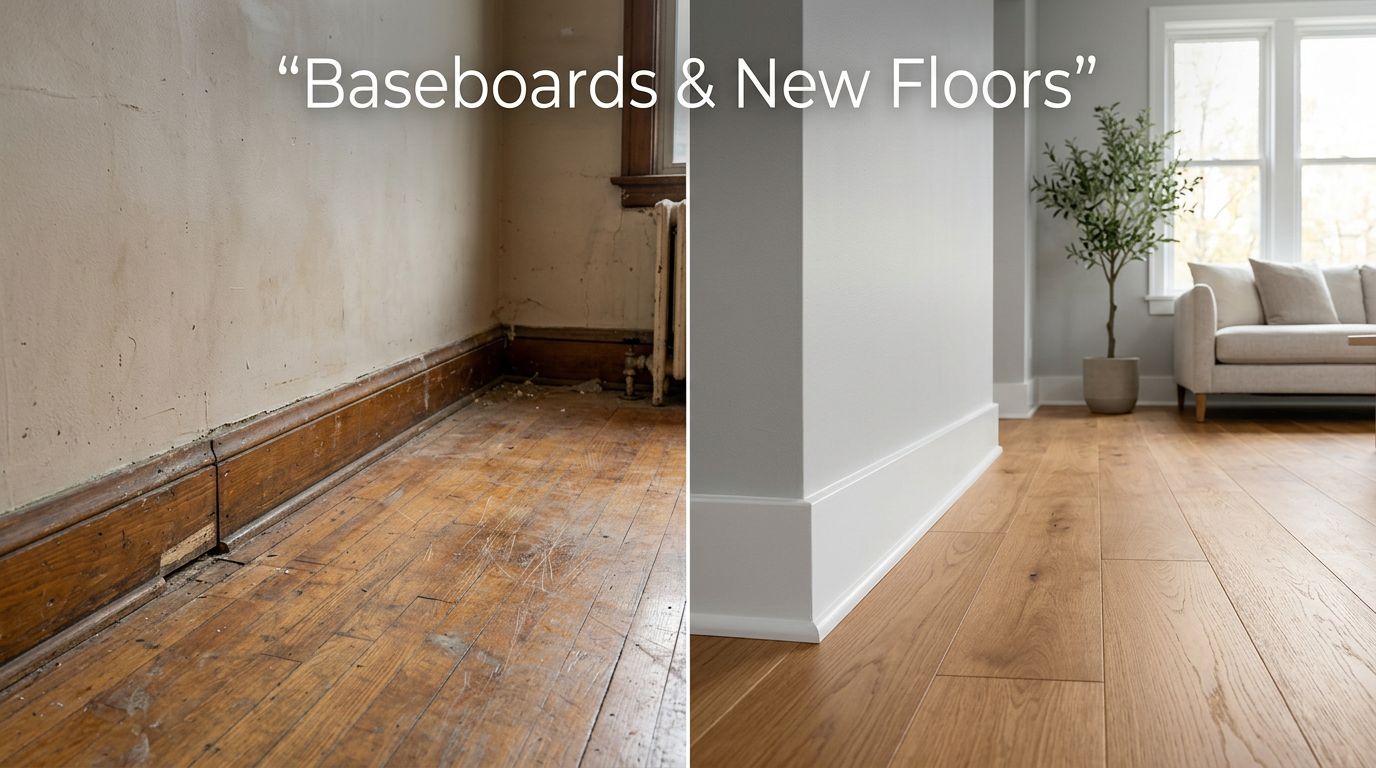
New flooring can make old trim look more worn than it did the day before. The decision to replace baseboards flooring work often comes down to the trim’s condition, the new floor’s height, and the finish you want when installing baseboards once the room is complete.
You don’t always need new baseboards. However, saving existing trim can add labor, touch-up paint, and shoe molding that narrow the apparent savings. We recommend deciding before installation starts, not after the first row of flooring reaches the wall.
Key Takeaways
- You have the option to remove baseboards and reinstall baseboards when they are in good shape and match the home’s style.
- Replace damaged, dated, or undersized trim while the room is already cleared for new flooring work.
- Floating floors need a perimeter expansion gap, which baseboards or shoe molding must cover.
- New floors with a different height can leave visible paint lines, wall gaps, or awkward transitions.
- Include trim removal, painting, and reinstallation in the written flooring estimate.
When to Replace Baseboards Flooring Installation Affects the Walls
Flooring and baseboards meet at every wall, so they should be planned together during any floor installation. A floor installer may remove the trim before work begins, then reinstall it after the material is down. That approach creates a cleaner result because the baseboard hides the small required gap around the perimeter.
This matters most with floating products, including laminate flooring and many vinyl planks flooring options. These products expand and contract with changes in temperature and humidity. Installers leave a narrow expansion space at the wall, then cover it with baseboard. Nailing the flooring tightly under fixed trim can prevent normal movement and cause problems later.
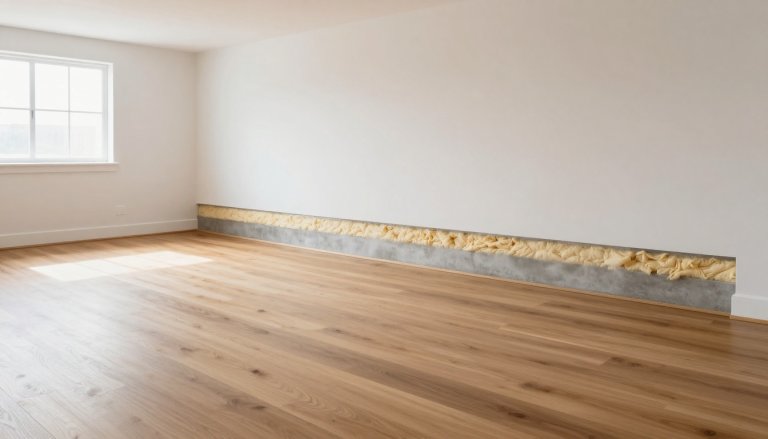
Hardwood installations require their own planning. Nail-down hardwood may change the finished floor height compared with old carpet, sheet vinyl, or thin laminate. If the new floor sits higher, the former baseboard location can leave an unpainted line on the wall. If it sits lower, the trim may no longer reach the floor.
In some homes, existing baseboards are thick enough to remove carefully and reinstall. In others, decades of caulk, repeated painting, water damage, or brittle MDF make removal risky. We inspect the trim, wall condition, and new floor thickness before recommending either route. When taking off old trim, a utility knife and a pry bar help loosen the caulk and nails without damaging baseboards or the surrounding drywall.
Baseboard removal can reveal a paint line and minor drywall damage. Replacing the trim often costs less than repairing and repainting every scar around the room.
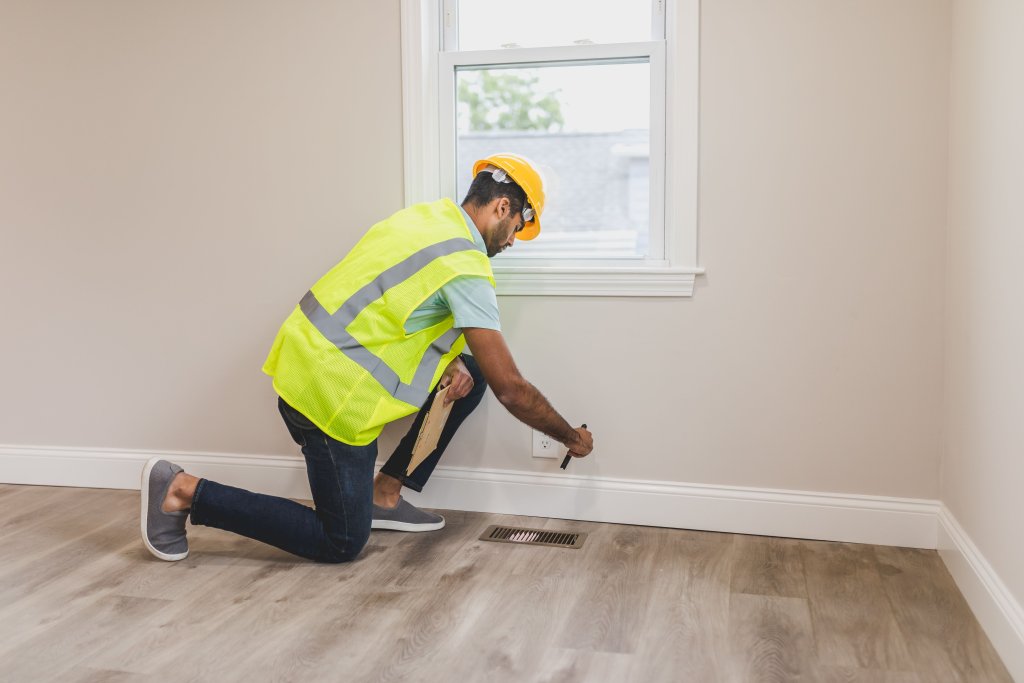
Photo by RDNE Stock project
Keep Existing Trim When It Still Fits the Project
Keeping the original baseboards makes sense when they are solid, straight, and visually appropriate for the renovation. Stained oak trim, tall painted wood baseboards, and custom profiles can be worth preserving. Removing them carefully also avoids changing the character of an older home.
Still, reuse adds steps. Each piece needs labeling before removal, especially at stair landings, closets, and door openings. The installer must pull nails, use a putty knife to protect surrounding surfaces, and then reinstall baseboards after the new flooring goes in. A painter may also need to use wood putty for nail holes, recaulk the top edge, and touch up the finish.
Shoe molding offers another option. It is a narrow quarter round or base shoe piece installed along the bottom edge of existing baseboards. It can hide a small gap after a floor replacement without removing the baseboards. This works well when the existing trim stays in place and the new floor height is close to the old one.
However, shoe molding isn’t always attractive. It adds another painted or stained line at the floor, and it can look like an afterthought against slim, modern trim. It also does not fix swollen MDF, chipped corners, or old baseboards that stop short of the new floor.
Homeowner conversations about this choice often focus on whether shoe molding will look natural with vinyl plank. These firsthand flooring installation discussions can be useful for spotting common concerns, but an on-site inspection is still the best way to judge your walls and trim.
Signs That New Baseboards Are the Better Choice
Replacement is usually the cleaner option when baseboards have visible wear or no longer suit the room. Because installing baseboards and handling flooring work already moves furniture and opens the room perimeter, it is the right time to make trim changes without creating a separate disruption later.
Look closely for these conditions:
- Water damage or swelling: MDF baseboards often puff up near exterior doors, bathrooms, pet bowls, and past leaks. Paint cannot restore their crisp edge.
- Old carpet marks: Carpet removal may expose stained, unfinished, or uneven baseboard trim at the bottom of the wall.
- A major height change: Thick flooring materials like hardwood, tile, and underlayment can require a new trim height or profile.
- Outdated proportions: Short 2 1/4-inch baseboards can look undersized beside wide-plank flooring, taller ceilings, or a newly remodeled room.
- Extensive wall repair: If removal is likely to tear paper-faced drywall or crack heavy caulk, new baseboards give you a fresh edge after repairs.
We often see this during an install new flooring Cumming project where carpet comes out and hardwood flooring or LVP goes in. The flooring may look excellent, yet thin, scuffed trim makes the room feel unfinished. New baseboards create a consistent border and let you choose a profile that matches updated doors, casing, and stair parts.
Baseboard replacement also gives you a chance to correct bad previous work. Uneven corners, gaps behind furniture, and several layers of poorly matched paint are easier to address with new material than with repeated patching.
Floor Type Changes the Trim Decision
The flooring material affects how much flexibility you have around the edge. Traditional hardwood flooring can be installed before baseboards go on, which gives a clean finished line. Engineered hardwood follows a similar approach, although installation details depend on whether it is glued, floated, or nailed.
Luxury vinyl plank and laminate flooring need enough room to move. When installers remove baseboards first, they can maintain that gap and cover it neatly when the trim goes back. If you keep baseboards in place, shoe molding usually becomes necessary.
Tile has a different edge detail. A tile installation may use baseboards, tile base, or a carefully planned joint at the wall. Natural stone and porcelain also increase floor height, so door jambs, transitions, and the bottom of cabinets require attention. For stair work, trim decisions extend to skirt boards, risers, nosing, and wall stringers.
If you are searching for a hardwood floor company Cumming homeowners can use for both installation and finishing, ask how the crew handles baseboard trim before signing. The same question applies to a hardwood floor sanding company Cumming residents hire. Refinishing usually leaves baseboards in place, but sanding equipment can scuff their lower edges, and staining may expose old paint or caulk flaws.
For homeowners near the lake, a hardwood floor company servicing Windermere should also discuss seasonal humidity and the expansion space required by the flooring manufacturer. A neat trim line is part of that conversation, not a cosmetic detail left until the end.
Coordinate Baseboards With Kitchens, Baths, and Basements
Flooring rarely changes in isolation. When a room renovation includes cabinets, tile, or new plumbing fixtures, trim has to follow the project sequence. Baseboards generally go on after finished flooring, so installing baseboards usually happens after the new planks or tiles are fully laid, but cabinet toe kicks, shower tile, and vanity placement may change where trim can run.
A kitchen remodeling company Cumming homeowners work with should plan flooring height before setting appliances and installing base cabinets. In many remodels, flooring stops at cabinet bases, while it continues beneath slide-in appliances and around islands as the design requires. The baseboards then finish only along exposed walls.
Bathroom projects need extra care because moisture damages unsealed MDF. If you are comparing a bathroom remodeling contractor near me, ask whether the proposal includes moisture-resistant trim, tile base, or PVC baseboard around wet areas. When securing these new trim pieces to the walls, contractors drive finishing nails directly into the wall studs using a reliable nail gun to ensure a tight, secure fit that will not pull away over time. We prefer materials that fit the room’s exposure and can be caulked properly at tub and shower-adjacent walls.
A remodeling company in Cumming can also coordinate floor and trim choices across open living areas. Matching baseboard profiles from the foyer through the kitchen keeps an addition or renovation from looking pieced together. Meanwhile, homeowners looking for a basement finishing company near me should consider durable trim where concrete slabs, utility rooms, or occasional moisture create greater risk.
A kitchen and bathroom remodeling company in Cumming, GA should include these decisions in the project scope. When flooring, cabinets, and trim crews work from the same plan, you avoid last-minute cuts and unnecessary repainting.
Compare the Cost Before Choosing a Shortcut
Reusing trim may cost less in materials, but labor can tell a different story. Careful removal, cleanup, storage, reinstallation, caulking, and painting take time. New primed baseboards may be the more predictable choice when many pieces are damaged or when you want a different profile.
Use this quick comparison when reviewing estimates:
| Choice | Best fit | Watch for |
|---|---|---|
| Reinstall existing baseboards | Solid trim with a style you want to keep | Paint touch-ups, broken pieces, removal labor |
| Keep trim and add quarter round | Small flooring-height change and limited budget | Added visual bulk and possible color mismatch |
| Install new baseboards | Damaged trim, major flooring change, full remodel | Precise mitered corners, material costs, wall prep |
| Use tile or PVC base in wet areas | Bathrooms, laundry areas, some basements | Coordination with wall finishes and fixtures |
The lowest initial line item is not always the lowest finished cost. We advise comparing complete scopes, including trim work, paint touch-ups, transitions, disposal, and furniture moving. A vague allowance can turn into a surprise once old baseboards come off.
Bring us an existing written quote, and we will complete comparable work for 5% less. Call (770) 906-4732 for a free estimate and a clear plan for floor installation, trim, stairs, or remodeling work.
Frequently Asked Questions
Do I always need to remove baseboards when installing new floors?
Not always, but removing them usually provides the cleanest finish. If you have floating floors like laminate or luxury vinyl plank, removing the trim allows you to maintain the necessary perimeter expansion gap without relying on shoe molding.
Can I reuse my old baseboards to save money?
Yes, you can reuse existing baseboards if they are in good condition, straight, and match your home’s style. However, keep in mind that careful removal, nail pulling, repainting, and reinstallation can sometimes add as much labor cost as installing fresh trim.
What is shoe molding and when should I use it?
Shoe molding is a small, curved piece of trim installed along the bottom edge of existing baseboards. It is typically used when you choose to keep your current baseboards and need a quick way to cover small gaps left by a new, slightly thicker floor.
How does a new flooring height affect my baseboards?
If your new flooring sits higher than the old one, it may expose an unpainted wall line beneath the old trim location. If it sits lower, your existing baseboard might no longer reach the floor, requiring either taller trim or added shoe molding to bridge the gap.
Final Thoughts
You should replace baseboards when the old trim is damaged, mismatched, too short for the new floor, or likely to create extra repair work. When you decide to remove baseboards that are still in excellent condition, careful handling allows you to reinstall baseboards later and preserve the home’s existing character.
The right choice gives your new floor a finished edge and leaves no awkward gap for your eye to find. Baseboards are the frame around the floor, so they deserve the same attention as the material underfoot.