LVP Plank Separation at the Seams, What Causes It, How to Fix It, and When Replacement Is Smarter
A floating LVP floor should look like one smooth surface. So when LVP plank separation shows up at the seams, it feels like the floor is coming “unlocked” right in front of us.
The tricky part is that seam gaps can be small at first, then grow fast. Sometimes it’s a simple fix, sometimes it’s a warning sign that the floor system (planks, subfloor, and room conditions) isn’t working together.

How we tell if it’s real seam separation (and how urgent it is)
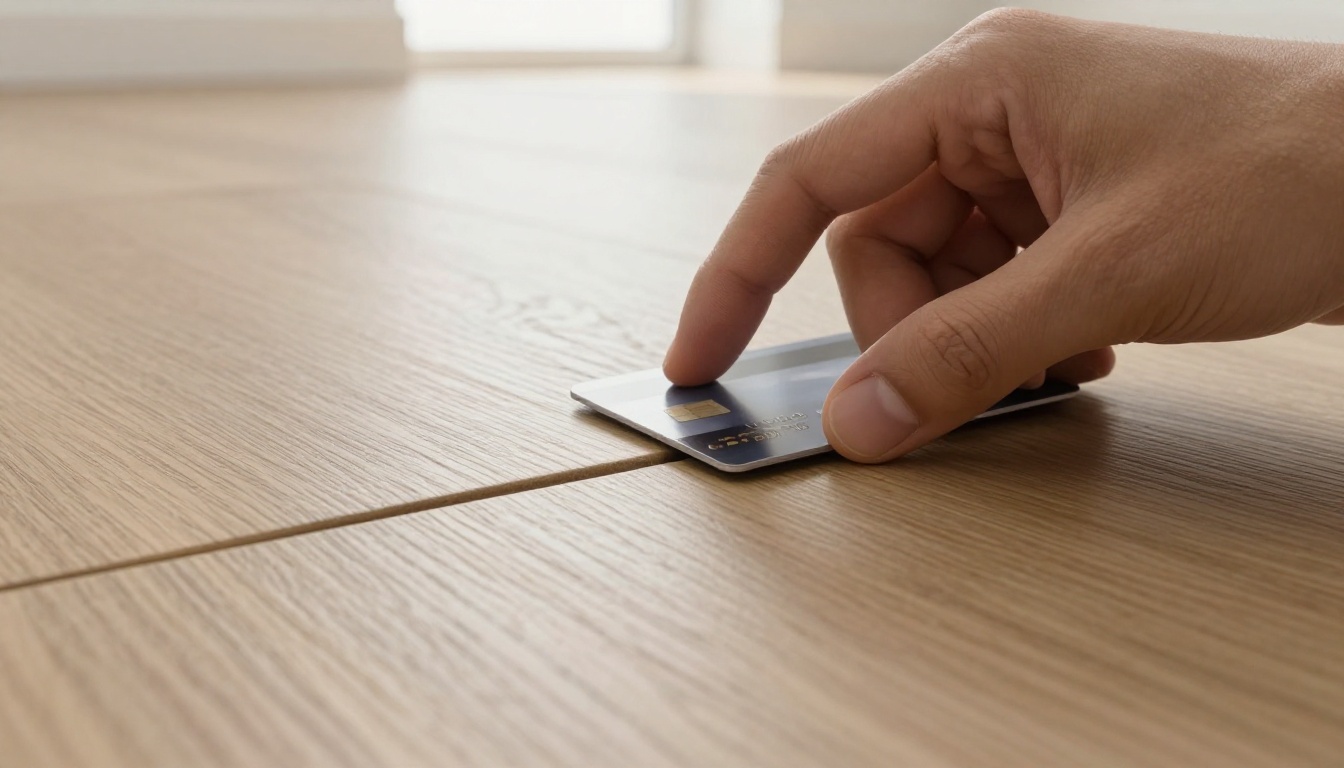
Not every “line” in LVP is a failure. Light glare, plank pattern, or a tiny bevel can look like a gap. We like to start with two quick checks.
First, we clean the seam with a soft brush or vacuum crevice tool. Grit can hide in the joint and make a normal seam look open. Next, we drag a credit card edge across the seam. If it catches or drops, we’re dealing with a true gap or height change.
A useful clue is where the separation happens:
- If it’s mostly at end joints (butt seams), we often see movement from traffic, rolling loads, or a locking issue.
- If it runs along a long side seam, we start thinking about subfloor flatness, expansion pressure, or a weak click connection.
Here’s a quick way we size up risk before we touch anything:
| What we see | What it often means | What we do next |
|---|---|---|
| A hairline gap that comes and goes | Seasonal movement, minor shift | Measure it, watch patterns |
| A seam we can feel under socks | Lock is loosening or debris in joint | Clean, then attempt re-lock |
| Multiple seams opening in a line | Subfloor low spot or expansion stress | Check flatness and perimeter gap |
| Seams plus peaking or buckling | Moisture or major compression | Stop, diagnose moisture and layout |
If the floor is still under warranty, we also take photos right away. Documentation helps, whether we repair or replace.
What causes LVP plank separation at the seams
Seam gaps usually come down to one of four buckets: installation conditions, room conditions, daily stress, or product failure. Real homes often have two of these happening at the same time.
Subfloor prep issues (the quiet cause)
Click-lock LVP is picky about flatness. A dip or hump doesn’t always show until we walk the same path for months. The plank flexes, the joint takes the hit, and the click edges start to wear. Once the locking profile is damaged, the seam may keep reopening even after we push it closed.
Underlayment can add to the problem. If it’s too soft or too thick for the manufacturer’s spec, the floor gets a “bounce,” and the joints work loose over time.
Expansion pressure from heat and humidity
LVP doesn’t expand like hardwood, but it still moves. Sun through a window can heat a strip of floor daily, and that cycling can push planks against walls if the perimeter gap is tight. When the floor can’t expand outward, it tries to compress inward, and seams can tent, peak, or separate.
This is one reason we pay attention to blinds, sliding doors, and big south-facing windows.
Heavy rolling loads and point stress
Office chairs, rolling kitchen islands, wheelchairs, and even some strollers can stress end joints. So can heavy furniture that “walks” a little when we sit down, like a recliner on a thin felt pad. We see the worst separation in hallways, in front of the fridge, and at the home office chair line.
Lock damage during install (or during a later repair)
A click system has to be fully engaged. If boards were tapped in at the wrong angle, forced together with debris in the joint, or installed with a damaged tongue, the seam can look fine on day one and fail later. An LVP inspector quoted in Wood Floor Business calls seam issues one of the most common complaints, and that matches what we see in the field (see this inspector perspective on LVP complaints).
How we fix LVP seam gaps, and when replacement is the better call
The best repair depends on the install type. Floating click-lock repairs are different than glue-down LVP, and mixing methods (like squirting glue into click joints) can make the next repair harder.
Fixing floating click-lock LVP separation
If we’re lucky and the locking profile is still intact, we can often close the gap without pulling the whole floor. We start simple:
- Clean the joint and remove grit. Even tiny sand can keep a seam from seating.
- Try to shift the plank back using a suction cup puller or LVP “floor gap fixer” block, moving in small steps.
- Re-check end joints nearby. One open end joint can keep stress on the next seam.
If the floor won’t close, we stop forcing it. The smarter move is usually to uninstall back to the problem plank, replace damaged boards if needed, then re-lock correctly. This is the approach many homeowners recognize from practical repair write-ups like this hands-on vinyl plank repair guide.
When we’re planning new LVP, we also prefer to set expectations up front about material quality, room prep, and moisture control. Our overview of Luxury Vinyl Plank (LVP) flooring options helps homeowners compare cores, wear layers, and where LVP performs best.
Fixing glue-down LVP seam problems
Glue-down failures usually show up as lifting edges, hollow spots, or seams that won’t stay tight. The fix may involve re-bonding with the right adhesive, and that means we need to confirm slab moisture and adhesive compatibility. If the floor is releasing because the slab is too wet, patch repairs won’t last.
When replacement is smarter than repair
We recommend replacement when the floor keeps “re-breaking” after a proper repair, or when the root cause is baked into the install. Common replacement triggers include:
- Widespread broken locking tabs (we can close one gap today, three new ones open next month)
- Chronic subfloor flatness issues that would require major prep anyway
- Moisture problems (slab vapor, plumbing leaks, repeated wet mopping)
- Compression with no expansion gap, especially in long runs
- A remodeling change that requires tying into new floor height and transitions
In many Cumming homes, LVP repairs come up during bigger projects. As a remodeling company in Cumming, we often see seam separation after appliance swaps, cabinet resets, or a heavy island move. Homeowners may call us as a kitchen remodeling company Cumming trusts, then ask us to address floors at the same time. Others come in looking for a hardwood floor company Cumming or hardwood floor sanding company Cumming because they’re deciding between refreshing wood and replacing problem LVP. We also work as a hardwood floor company servicing Windermere, and we coordinate floors with trim, paint, and traffic flow so repairs don’t look like patches. If we’re planning to install new flooring Cumming homeowners can live on daily, we’ll lay out realistic options that fit the room, not just the trend. And for full updates, we approach the home like a connected system, the way a kitchen and bathroom remodeling company Cumming Ga should.
For a free estimate, we can call (770) 906-4732. If we show an existing quote from another contractor, they’ll do it at 5% less (same scope, apples-to-apples).

Conclusion
Seam gaps don’t happen for one random reason. They’re usually a signal that the floor is moving, the subfloor isn’t supporting it well, or the joints are already worn. When we catch LVP plank separation early, a targeted fix can hold for years. When the cause is structural or widespread, replacement saves time, money, and frustration.
If we want a clear plan and a no-pressure quote, we can call (770) 906-4732 for a free estimate, and bring any written competitor quote so the job is priced 5% less.