
Dishwasher Leak on a Wood Floor: Early Warning Signs, How Far Water Travels, and the Right Drying and Repair Plan
Dishwasher Leak on a Wood Floor: Early Warning Signs, How Far Water Travels, and the Right Drying and Repair Plan
A dishwasher leak wood floor problem rarely starts with a dramatic puddle. More often, it’s a quiet, repeatable drip that spreads like ink through a paper towel, slowly reaching seams, subfloors, and cabinets before we notice it.
When we catch it early, we can often save the floor’s look and structure. When we miss it, we’re suddenly dealing with cupped boards, swollen trim, and that sinking feeling that the damage is bigger than the wet spot we can see.
Below, we’ll walk through the warning signs, how far water can travel, and a practical drying and repair plan that fits real homes in Cumming and Windermere.
Early warning signs of a dishwasher leak on a wood floor
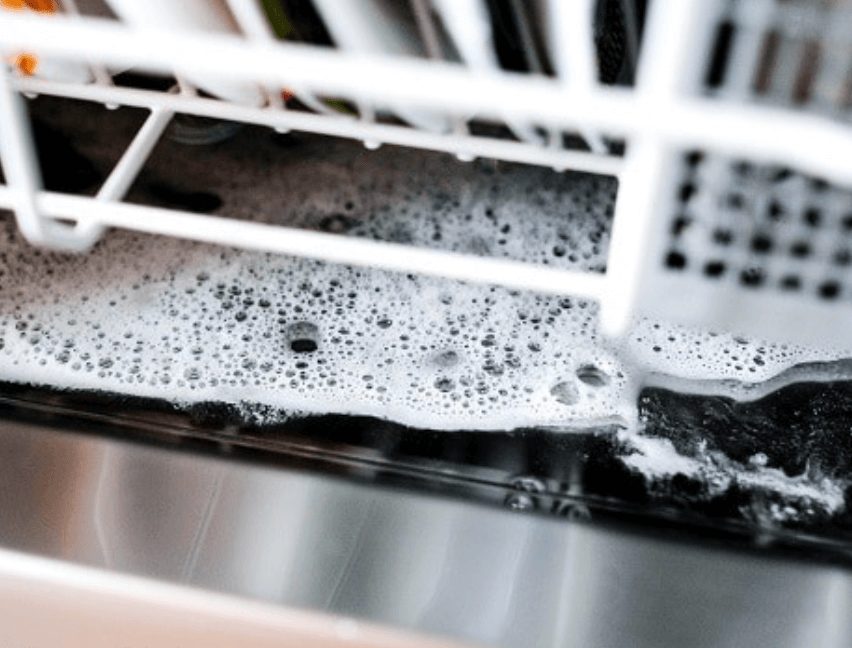
A dishwasher can leak from the door seal, drain hose, supply line, air gap, or even from a slow overflow caused by a clogged filter. The hard part is that wood floors don’t always show the problem right away. They often “tell the story” in small changes first.
Here are the signals we take seriously, even when the floor still looks mostly fine:
- A repeating soft spot in front of the dishwasher, especially if it feels slightly bouncy near a seam.
- Edges that look raised along plank joints (early cupping), or a faint ripple that catches sunlight at an angle.
- White haze, dulling, or tiny bubbles in the finish near the dishwasher or sink base, which can mean moisture is under the topcoat.
- Dark staining at seams that doesn’t wipe away, often a sign water is getting into the wood fibers, not just sitting on top.
- Swollen baseboards or quarter round that feel thicker, or look like they’re pushing away from the wall.
- A musty smell that returns after cleaning, which can point to damp subfloor or wet insulation below.
One extra clue we see often: a “clean” floor that suddenly shows more scratches or scuffs. A softened finish marks easier, so normal foot traffic leaves new tracks. If you’re not sure whether you’re dealing with surface wear or a deeper issue, our hardwood floor refinishing guide explains what changes mean a simple recoat might work, and what changes usually call for bigger repairs.
If any of these signs show up, we don’t wait for the next load of dishes. We treat it like a small roof leak. It won’t fix itself, and time is the expensive part.
How far water travels from a dishwasher leak (and why it surprises people)
Water from a dishwasher leak doesn’t spread like a perfect circle. It hunts for pathways. With wood floors, those pathways are seams, nail holes, underlayment gaps, and the thin space under baseboards. The visible wet area might be 1 square foot, while the hidden damp area is 10.
We’ve opened up enough floors to know a few patterns are common:
It runs under the toe-kick and cabinets. Once water gets under the dishwasher, it can follow the low spot under the cabinet run. That’s why some homeowners first notice damage on the other side of the sink base.
It wicks sideways between boards. Wood and subfloor materials absorb moisture. That “wicking” can move water farther than expected, especially with slow leaks that repeat daily.
It travels with gravity, then spreads with time. If the subfloor slopes even slightly, water can migrate toward an adjacent room, then show up as cupping at a doorway.
A quick way to think about it: the top of the floor is like the skin, but the seams are like open pores. Once water gets in, it moves where we can’t see it.
Here’s a simple reference we use when we’re sizing up what might be happening:
| What we notice | What it can mean | What we check next |
|---|---|---|
| Small puddle, no staining | Leak may be recent or intermittent | Hose connections, door gasket, floor seams |
| Cupping near dishwasher | Moisture reached boards and subfloor | Moisture readings, airflow, subfloor condition |
| Musty odor, cabinets feel “off” | Hidden wet area under cabinets | Toe-kick removal, subfloor probe, mold risk |
| Dark seam lines | Water sat long enough to stain | Board thickness, replacement vs sanding |
If you want one solid “don’t do this” reminder, this mainstream plumber-backed warning covers common dishwasher habits that lead to trouble, including maintenance misses: plumbers’ dishwasher warning.
The right drying and repair plan (what works, what backfires)
When a dishwasher leak hits wood, we follow a simple rule: stop the source, then dry the system, not just the surface. Mopping alone is like blotting a spill on a couch while the cushion stays soaked.
Step 1: Stop the leak and protect the area
First, we shut off the dishwasher and water supply (usually the shutoff under the sink). We pull the toe-kick if possible and look for active dripping. Then we protect nearby cabinets and walls, because swelling trim can turn a floor problem into a cabinet problem.
Step 2: Start fast drying, with airflow that makes sense
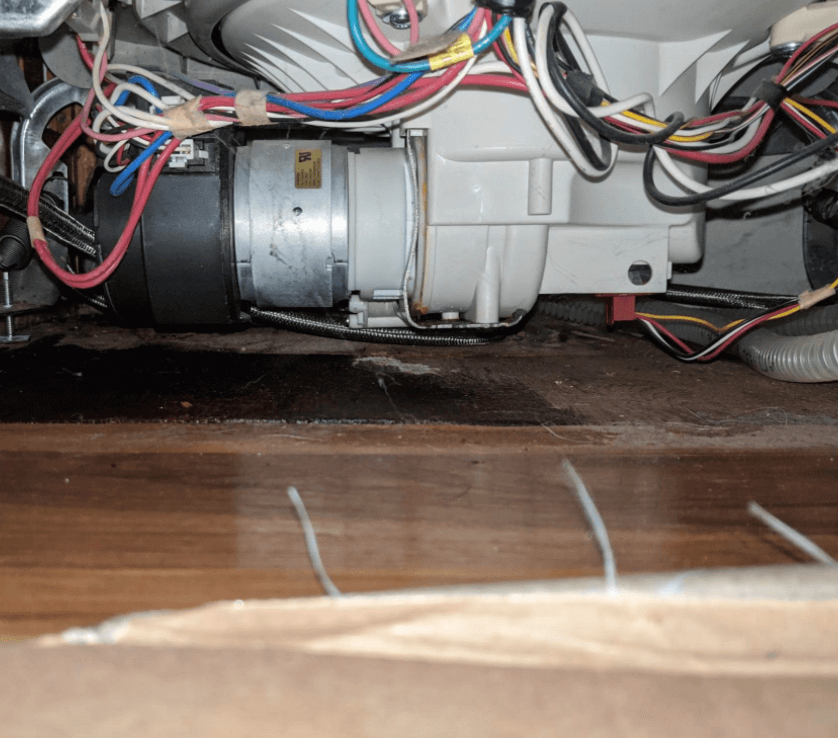
We use fans and dehumidifiers, but placement matters. Air should move across the wet zone and out, not just spin in circles. If water got under the dishwasher, we often recommend pulling the unit so the cavity can dry. If the subfloor is wet, drying can take days, not hours.
Step 3: Decide what “repair” means after moisture drops
Once the floor is actually dry (not just “looks dry”), we choose the repair based on how deep the damage went:
- Minor finish damage: Sometimes we can buff and recoat.
- Cupping that relaxes: We may wait, then sand and refinish if the floor flattens back out.
- Black staining, swollen edges, or delamination: Board replacement is often the honest fix.
- Soft subfloor: We address the subfloor first, or the new floor will fail again.
This is where having the right local team matters. As a hardwood floor company Cumming homeowners rely on, and a hardwood floor company servicing Windermere, we look at the floor, the subfloor, and the cause together, not as separate problems. If sanding is the right path, our hardwood floor sanding Cumming page explains what to expect, including how we prevent uneven sheen and edge issues.
If the damage is too widespread, we may recommend you install new flooring Cumming families choose for kitchens, like water-rated LVP, tile, or new hardwood with a tougher finish system. And if the leak exposed bigger layout or cabinet issues, we can coordinate repairs as a kitchen remodeling company Cumming homeowners call when a “small leak” turns into a bigger reset. Many clients prefer one remodeling company in Cumming to handle flooring, trim, and the adjacent updates, especially when timing matters.
For homes planning a larger upgrade, we also work as a kitchen and bathroom remodeling company Cumming Ga, including wet-area improvements that help prevent repeat water problems. If the leak affected nearby baths or you’re ready to upgrade water-resistant surfaces, our bathroom remodeling Cumming services cover tile work and durable floor choices built for moisture.
Wrap-up: catch it early, fix it right, and keep the floor worth saving
A dishwasher leak wood floor issue is one of those problems that rewards quick action. The sooner we stop the leak and dry below the surface, the more likely we are to save the boards, the subfloor, and the cabinets around them.
For free estimates, call (770) 906-4732. If you show us any existing quote from another contractor, we’ll do it at 5% less for the same scope. If you’re seeing cupping, staining, or that musty smell near the dishwasher, it’s time to get eyes on it before the next cycle makes the damage spread.