
sanding hardwood floors after new year traffic,
New Year’s gatherings are fun, but they’re tough on a hardwood floor. Extra guests, winter grit on shoes, and furniture getting nudged around can leave the same story in every hallway: dull lanes, fine scratches, and a few spots that look “thirsty” no matter how much we clean.
If you’re noticing that worn, hazy look in January, it doesn’t always mean you need to replace everything. Often, the right plan to sand hardwood floors (or recoat them) can make the whole home feel fresh again, without changing your layout.

Winter grit and party traffic often show first at the front door.
Why New Year traffic shows up so fast on wood floors
Holiday and New Year traffic leaves a special kind of wear because it’s not just footsteps. It’s what comes with them.
Grit acts like sandpaper. Tiny rocks and salt get trapped under shoes and slide across the finish. That creates thousands of micro-scratches that scatter light, which is why floors look dull even when they’re clean.
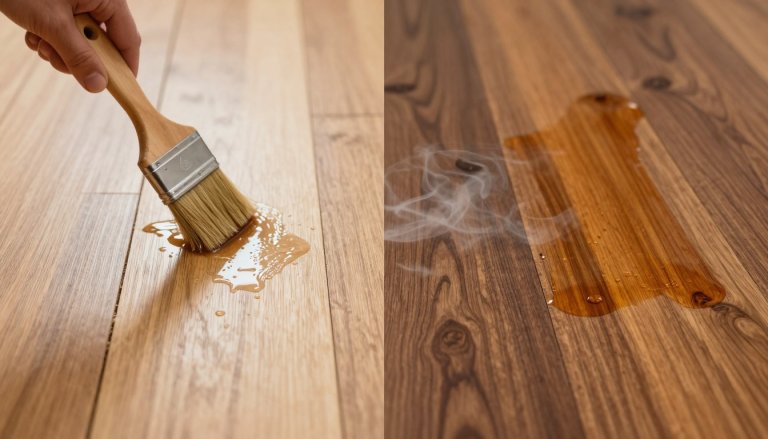
Moisture leaves a mark. Wet boots and umbrella drips can soften a finish near entryways. If water sits long enough, it can darken the wood itself.
Furniture movement adds deeper lines. Extra chairs, stools, and tables get pulled and pushed. Even with felt pads, one bad drag can cut through the topcoat.
The good news is that wear like this is usually fixable. The key is picking the right level of refinishing.
Do we need hardwood floor sanding, or just a new coat?
After the holidays, many floors don’t need a full sand. They need a refresh that restores shine and protection. Here’s how we sort it out.
Recoat (screen and recoat) is a smart option when the wood color looks fine, but the finish looks tired. We lightly abrade the existing finish so a new coat bonds, then apply fresh finish. It’s faster, less messy, and keeps the stain color the same.
Hardwood floor sanding makes sense when damage has reached the wood or when the stain tone needs a change. Sanding removes the old finish and a thin layer of wood to erase scratches, wear paths, and many pet marks.
A simple at-home check helps:
- If you see gray, bare-looking patches where the sheen is gone, the finish may be worn through.
- If scratches catch a fingernail, they’re usually too deep for a simple recoat.
- If black marks or dark stains don’t clean up, they may be in the wood fibers.
- If boards feel cupped or raised, moisture issues may be present, which affects the plan.
When we’re unsure, we prefer to look in person. Lighting, wood species, and past coatings change the answer.
What happens when we sand hardwood floors (and why prep matters)
Sanding is more than “making dust.” Done right, it’s a controlled reset of the surface so stain and finish look even and last.
We start with a realistic game plan for your home
Before any machine turns on, we check board thickness, floor flatness, and problem spots (like thresholds and vents). If you’re also thinking about upgrades, this is the time to discuss whether it’s smarter to refinish now or install new flooring in certain areas.
If you’re local and want to talk through options with experienced installers, we can point you to our professional hardwood floor installers and schedule an in-home visit.
We prep like it matters, because it does
We ask homeowners to clear small items, then we handle the rest as needed. Proper prep often includes removing shoe molding, protecting nearby rooms, and setting expectations for pets and HVAC.
This is also where we avoid pricing surprises. We prefer quotes based on real measurements and on-site conditions, not guesses.
Sanding is done in stages, not one pass
A quality sanding job uses multiple grits. Think of it like sharpening a knife, you don’t jump straight to the final polish. Each stage removes the scratches from the stage before it.
Edges and corners get special attention. If edges are rushed, the floor can look “framed” after finish goes down.

A clean sanding pattern is the base for an even stain and finish.
Stain and finish choices change the final look and the downtime
Stain is optional. Some homeowners love a natural tone that shows the grain clearly. Others want to shift warmer, cooler, or darker.
Finish matters just as much. Oil-based finishes can bring a warm tone and longer open time. Many water-based finishes keep a clearer color and can reduce odor. Either way, cure time is real, and we plan for it so you’re not stepping too soon and locking in marks.
For a helpful overview of refinishing options and timelines from a homeowner-friendly angle, we like this hardwood floor refinishing guide.
Dust, smell, and living in the house during sanding
Most people don’t fear the sanding. They fear the mess.
We use modern dust control practices, but sanding still creates fine particles. The best results come when we control airflow, seal off work zones, and keep the site clean between steps. We also set expectations about odor and access.
Practical rule: if you can plan a couple of nights away for a full sand and finish, your life gets easier. If not, we can often stage the work by rooms.
Refinishing vs replacing: when “new” is the better move
We love refinishing because it protects what you already own, and it highlights the hardwood floor benefits homeowners value most: long life, a real-wood look, and the ability to renew the surface instead of tearing it out.
Still, replacement can be the right call when:
- The floor is too thin for another sanding.
- Water damage has spread under multiple boards.
- You want wider planks or a different wood species.
- You’re changing the layout during a remodel.
If you’re planning to remodel kitchen and bathroom to add to value of house, we often recommend coordinating floors with that schedule. Kitchens may call for tougher finishes and better moisture control, while bathrooms may be better served by tile or stone. Timing it right can save labor and prevent height issues at transitions.
How we keep your floors looking good after the reset
Once the floor is refinished, the next 30 days matter more than most people think. Finish hardens over time, and small habits help it cure clean.
Our go-to habits for high-traffic homes:
- Use walk-off mats at entries, and shake them out often.
- Add felt pads, then re-check them every few months.
- Avoid wet mopping, use a damp microfiber instead.
- Keep indoor humidity steady when possible, wood moves with moisture.
If you host a lot, a recoat every few years can be the easy “maintenance reset” that keeps you from needing aggressive sanding later.
Conclusion: let’s fix the New Year wear before it spreads
New Year traffic doesn’t ruin wood floors, but it does reveal weak finish and hidden scratches fast. With the right approach, we can restore color, bring back clarity, and protect the surface for the rest of the year.
If you want a clear plan and pricing that matches your home, call (770) 906-4732 for free estimates. If you show us an existing quote from another contractor, we’ll do the job at 5% less.