Toilet Leak Under the Floor, Early Signs Around the Base, How to Confirm Moisture, and the Right Repair Order
A toilet leak under floor can feel like a small problem until it spreads, quietly, like a sponge soaking up water under your feet. The tricky part is that the first clues often show up where we least expect them, right around the toilet base, or as a faint smell we can’t quite place.
If we catch it early, we can often limit damage to the wax ring area and a small section of subfloor. If we ignore it, water can wick into trim, framing, and finished flooring, then we’re dealing with bigger repairs and longer dry times.

Early signs around the toilet base that usually mean trouble
Most under-floor toilet leaks don’t announce themselves with a puddle. They leave patterns. We just have to know what to watch for.
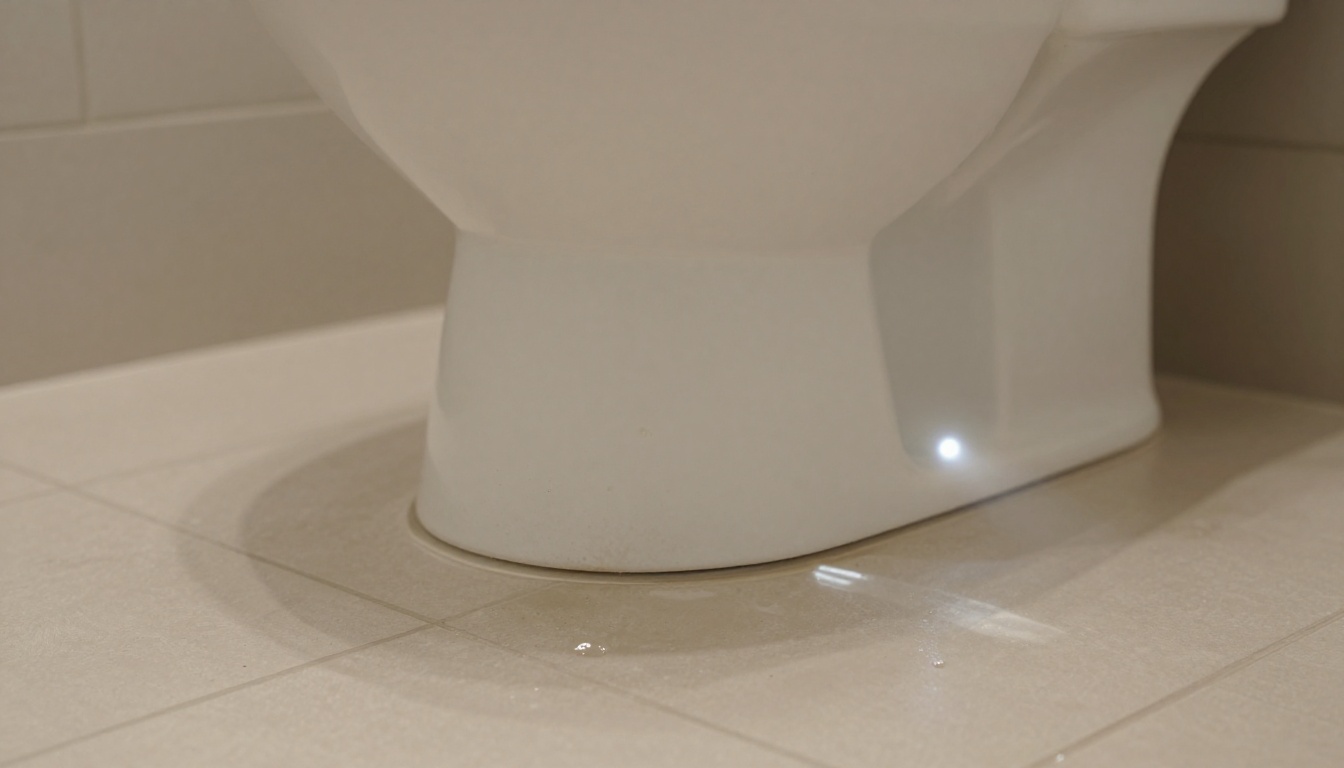
A common early sign is a toilet that rocks or shifts when we sit down. That movement can break the seal at the wax ring, letting water seep out only during flushes. Another red flag is darkened grout or a “never quite dry” look on tile near the base. On hardwood or LVP, we may see slight cupping, hazing, or edges that feel raised.
Smell matters too. A persistent musty odor, or a sewage smell that comes and goes, can point to a compromised seal. If the leak is from the supply line or shutoff valve, we may notice mineral crust, corrosion, or dampness on the valve body behind the toilet.
Here’s a quick way to think about timing: if moisture appears after flushing, suspect the wax ring, flange, or a crack in the bowl. If moisture shows up all day, even when nobody flushes, suspect the supply line, fill valve, tank bolts, or condensation.
We also watch the room itself. Paint bubbling near baseboards, swollen quarter round, or a soft spot at the toilet’s front edge can mean water has been soaking the subfloor for a while. For a broader list of symptoms, we like this plain-language overview of common water damage warning signs.
How we confirm moisture (without guessing)
Before we pull a toilet, we confirm what’s wet, where it’s wet, and when it gets wet. Otherwise we risk fixing the wrong thing and leaving the real leak behind.
We start simple. Dry the floor around the base, then place a few squares of paper towel tight against the toilet. Flush once, then wait. If the towel shows water at the base within minutes, the leak is active and likely tied to the seal, flange, or bowl. If nothing happens, flush again and watch the tank and supply connection with a flashlight.
Next, we run the dye test to check for a silent tank leak. Add dye to the tank, don’t flush, and check the bowl later. Many municipalities recommend this exact method, and the steps are laid out clearly in the City of Corinth’s guide on how to detect a leaky toilet.
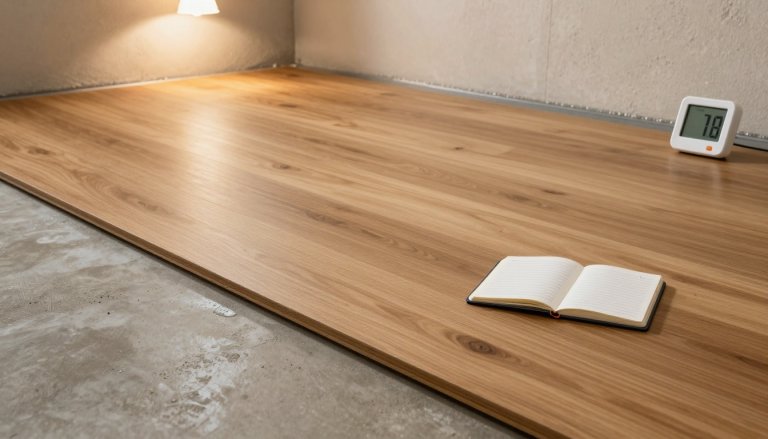
When we need more certainty, we use a pin-type moisture meter on wood trim, subfloor edges (where accessible), or the ceiling below (if there’s a lower level). We also check outside the bathroom. Water can travel along seams and joists, then show up in the hallway.
A few “don’t-get-fooled” notes help:
- Condensation can mimic a leak: In humid months, a sweating tank can drip down and track to the base.
- Loose caulk hides clues: Caulk around the toilet can trap water and delay visible signs.
- Vinyl and tile can mask damage: The surface looks fine while the subfloor softens underneath.
If we confirm moisture, we move fast, because water doesn’t stay politely in one spot.

The right repair order (so we don’t fix the floor twice)
The biggest mistake we see is replacing flooring first, or patching cosmetic damage before stopping the source. The correct order protects the home and protects the budget.
1) Stop the water and document what we see
Shut off the valve, then flush and hold the handle to drain the tank. If the valve won’t fully stop water, we shut off the home’s main. We also take photos of staining, swollen trim, and any visible mold. That record helps us stay consistent as we open things up.
2) Fix the plumbing source first
If the leak is at the base, the toilet typically needs to come up so we can inspect the flange, replace the wax ring (or a waxless seal when appropriate), and confirm the toilet is set solidly. If the leak is from the supply line or tank hardware, we replace those parts and re-test. We don’t reset a toilet until the flange area is clean, sound, and level.
For homeowners who want a quick baseline on typical toilet leak causes, the Saving Water Partnership has a helpful page on toilet leaks and common signs.
3) Dry the structure before closing anything in
Once the leak is stopped, drying starts immediately. Fans, a dehumidifier, and removing wet trim can make a big difference. If the subfloor is saturated, drying can take days, not hours. Sealing up wet materials is like putting a lid on a wet container, the moisture stays and causes trouble later.
4) Inspect and repair subfloor, underlayment, and framing
We check for soft spots and fastener blowout, then decide whether the subfloor can be dried and stabilized or needs replacement. In older homes, we also look for flange height issues, because an incorrect flange height can cause repeat wax-ring failures.
5) Restore finishes in the right sequence
Only after the structure is dry and sound do we move to finishes: baseboards, paint, and flooring. This is where our work often overlaps with broader updates. Some homeowners use the repair as a chance to refresh the whole bathroom, especially when the toilet area is already opened up.
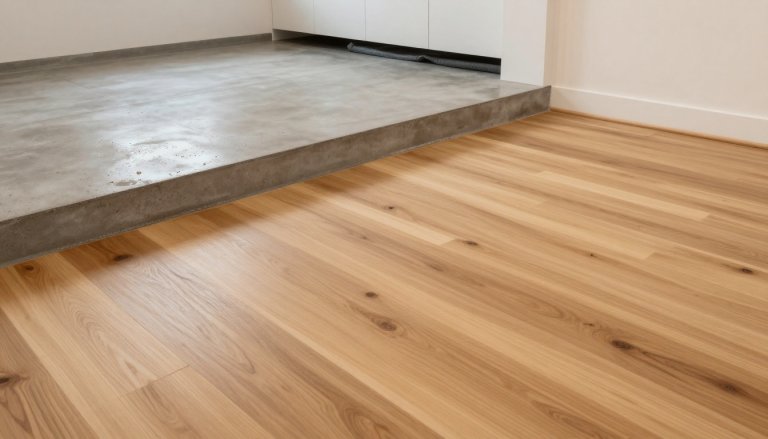
If water reached wood flooring, we may recommend repairs from a hardwood floor sanding company Cumming homeowners trust, or board replacement and refinishing when feasible. If the damage is widespread, it can make sense to install new flooring Cumming families want for easy maintenance, like tile or LVP in the bath with a coordinated run into nearby rooms.
For larger projects, we handle the planning in a clean order too, especially when clients combine flooring with vanity, shower, or layout changes. As a kitchen remodeling company Cumming homeowners call for full updates, and a remodeling company in Cumming that also tackles bathrooms, we’ve seen how often a small leak reveals bigger opportunities to improve the space. We also serve nearby communities, so if you’re looking for a hardwood floor company servicing Windermere, we can coordinate repairs and matching finishes across rooms.
Conclusion: Catch the leak early, protect the floor for the long run
A toilet base stain isn’t just cosmetic, it can be the first whisper of toilet leak under floor damage. When we confirm moisture, stop the source, dry the structure, then repair finishes, we prevent repeat problems and keep the home solid.
If you want a clear plan and straightforward pricing, call (770) 906-4732 for free estimates. If you show us an existing quote from another contractor, we’ll do it 5% less. Whether you need a hardwood floor company Cumming homeowners rely on, or a kitchen and bathroom remodeling company Cumming Ga residents can trust for a full refresh, we’ll help you fix it in the right order, without guesswork.