Finishes that resist basement humidity swings on hardwood floors
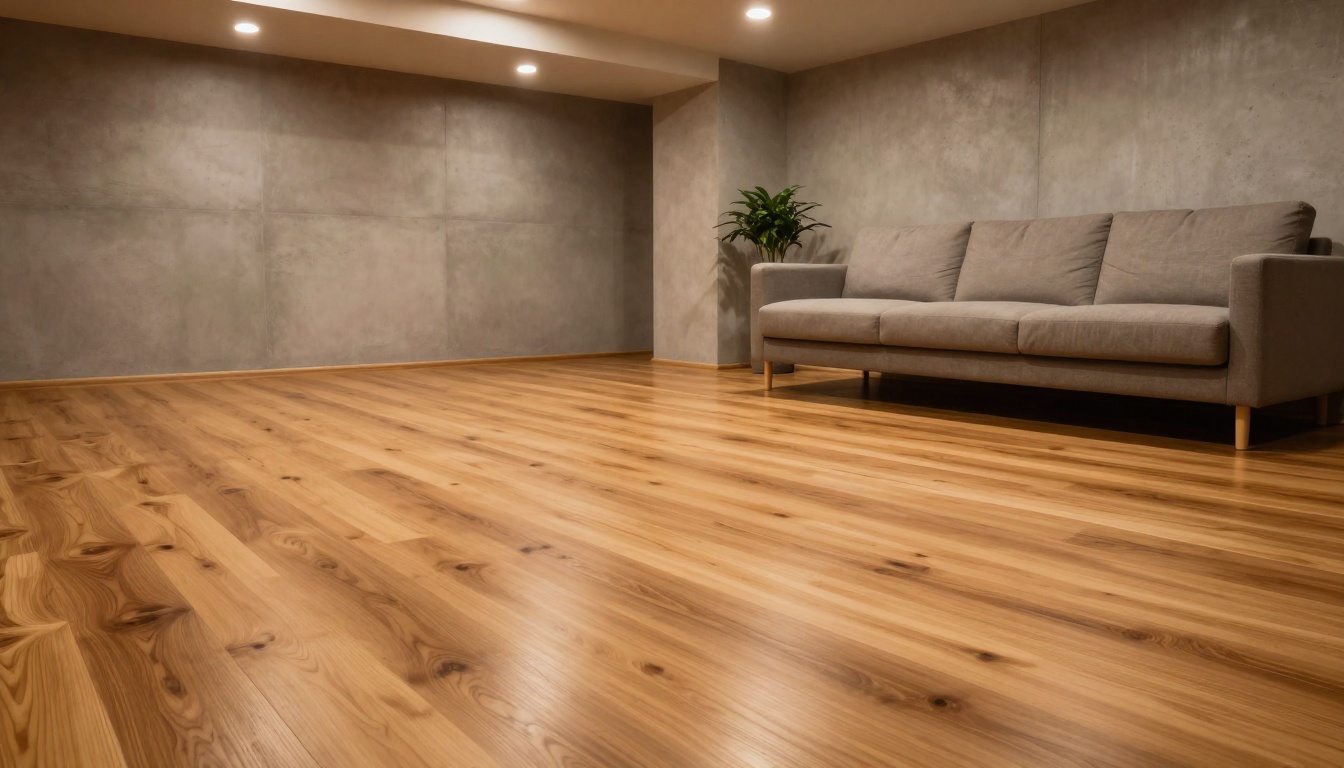
Basements don’t behave like the rest of the house. One week feels dry and comfortable, the next feels a little damp, even if there’s no visible water. Those humidity swings can push and pull on wood like a slow-moving tide, and your finish is the first line of defense.
When we choose a basement hardwood finish, we’re not just picking a sheen. We’re choosing how well the floor can handle seasonal moisture changes, foot traffic, and the occasional “oops” spill that always seems to happen during movie night.
Below, we’ll break down the finishes that perform best in basements, how to apply them the right way, and when it’s smarter to refinish versus install new.
Why basements stress a hardwood floor (even when there’s no leak)
Wood expands when humidity rises and shrinks when humidity drops. In a basement, that cycle can be stronger because the space is closer to concrete, soil moisture, and cooler surfaces that can trigger condensation.
Common humidity-related problems we see include:
- Cupping (edges higher than the center of boards)
- Crowning (center higher than the edges)
- Finish stress (tiny cracks, peeling, or cloudy spots)
- Gaps that open and close with the seasons
A finish can’t stop wood movement completely, but the right system can reduce moisture absorption at the surface and help the floor wear evenly instead of breaking down in patches.
What a finish can (and can’t) do for basement humidity
A finish is like a rain jacket, not a submarine. It slows moisture exchange through the top of the boards, and it protects against spills and daily abrasion. It does not fix moisture coming from below, like high slab moisture, missing vapor protection, or a chronically damp basement.
That’s why we treat basement jobs as a system:
Moisture control + correct wood choice + correct finish.
When those three line up, hardwood can work beautifully below grade, and it can still deliver the warm look that makes basements feel like real living space.
The best finishes for basement humidity swings (and why)
Water-based polyurethane (best all-around for basements)
A quality water-based polyurethane forms a tough, clear film that resists scuffs and slows moisture from entering the wood surface. It also dries faster than many oil systems, which helps because basements often have less airflow.
We often recommend matte or satin in basements. High-gloss can spotlight every micro-scratch and every ripple in the wood.
If you want manufacturer specs as a reference point, you can review the DuraSeal Waterbased Polyurethane details, including the available sheens and recoat timing.
Two-component water-based polyurethane (when you want extra toughness)
Two-component waterborne finishes (sometimes called “2K” systems) use a hardener that boosts chemical and abrasion resistance. In practical terms, it can hold up better to basement life: kids, pets, workout equipment, and frequent cleaning.
This isn’t always needed in a low-traffic basement guest room. But for a main hangout space, it’s a strong upgrade.
One example of a higher-performance line is DuraSeal Masterline Water-Based Polyurethane.
Oil-modified urethane (tough film, slower cure, warmer color)
Oil-modified urethane is a durable film finish that cures in a different way than water-based coatings, and it tends to add a warmer amber tone. That color shift can be a plus on red oak or traditional interiors, but it can also change the look of lighter species.
It also tends to cure more slowly, so timing and ventilation matter. If you want to see a typical manufacturer description of cure and hardness, this ZAR oil-modified urethane product data sheet is a helpful example.
Quick comparison table: basement-friendly finishes
| Finish type | Why we use it in basements | Watch-outs |
|---|---|---|
| Water-based polyurethane (1K) | Clear look, fast dry, strong surface protection | Needs good prep, can show lap lines if applied poorly |
| Water-based polyurethane (2K) | Higher wear and chemical resistance | More exact mixing and timing |
| Oil-modified urethane | Tough film, warm tone, good leveling | Longer cure, stronger odor, ambers over time |
Refinishing in a basement: the details that matter most
A basement refinish can look amazing, but the process needs tighter control than a main-floor job. Hardwood floor sanding removes the old finish and levels wear, but it also opens the wood surface, which means the next steps matter even more.
Here’s what we focus on to avoid finish issues in a basement:
Humidity range during the job: We like to keep the space steady, often around the mid-range most homes target. Big swings during sanding and coating can cause bonding problems, cloudy finish, or uneven cure.
Sealer choices: A compatible sealer can improve adhesion and reduce tannin pull (especially on oak). It also helps build a more consistent film.
Film build matters: In basements, thin coats can wear through faster, but thick coats can cure poorly. The goal is the manufacturer’s recommended coverage and recoat schedule, not “extra thick for safety.”
Edges and transitions: Basement layouts often have tighter corners, stair transitions, and doorways. Those spots see concentrated movement and traffic, so we treat them carefully during sanding and coating.
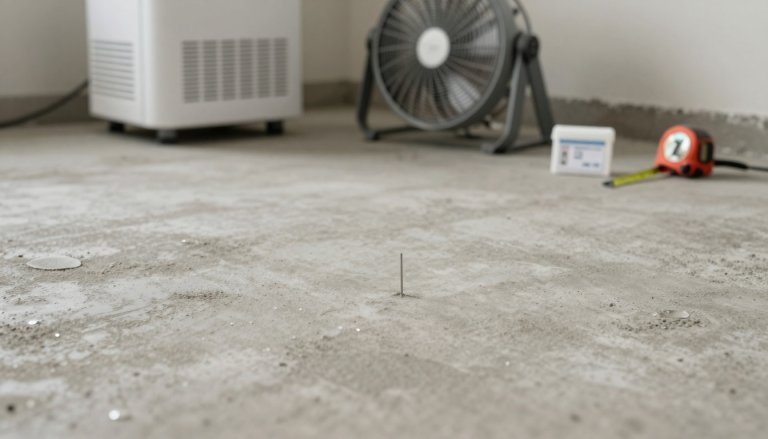
A practical tip we share with homeowners: if you can smell “basement air,” your finish can’t do its job alone. A dehumidifier, proper HVAC return, and consistent temperature help your coating cure right and stay clear.
When it’s smarter to install new flooring instead of refinishing
If your basement floor has repeated cupping, deep staining, or a subfloor moisture problem, refinishing may be like repainting over a leaky roof. In those cases, we may recommend replacing the floor so we can rebuild the system the right way.
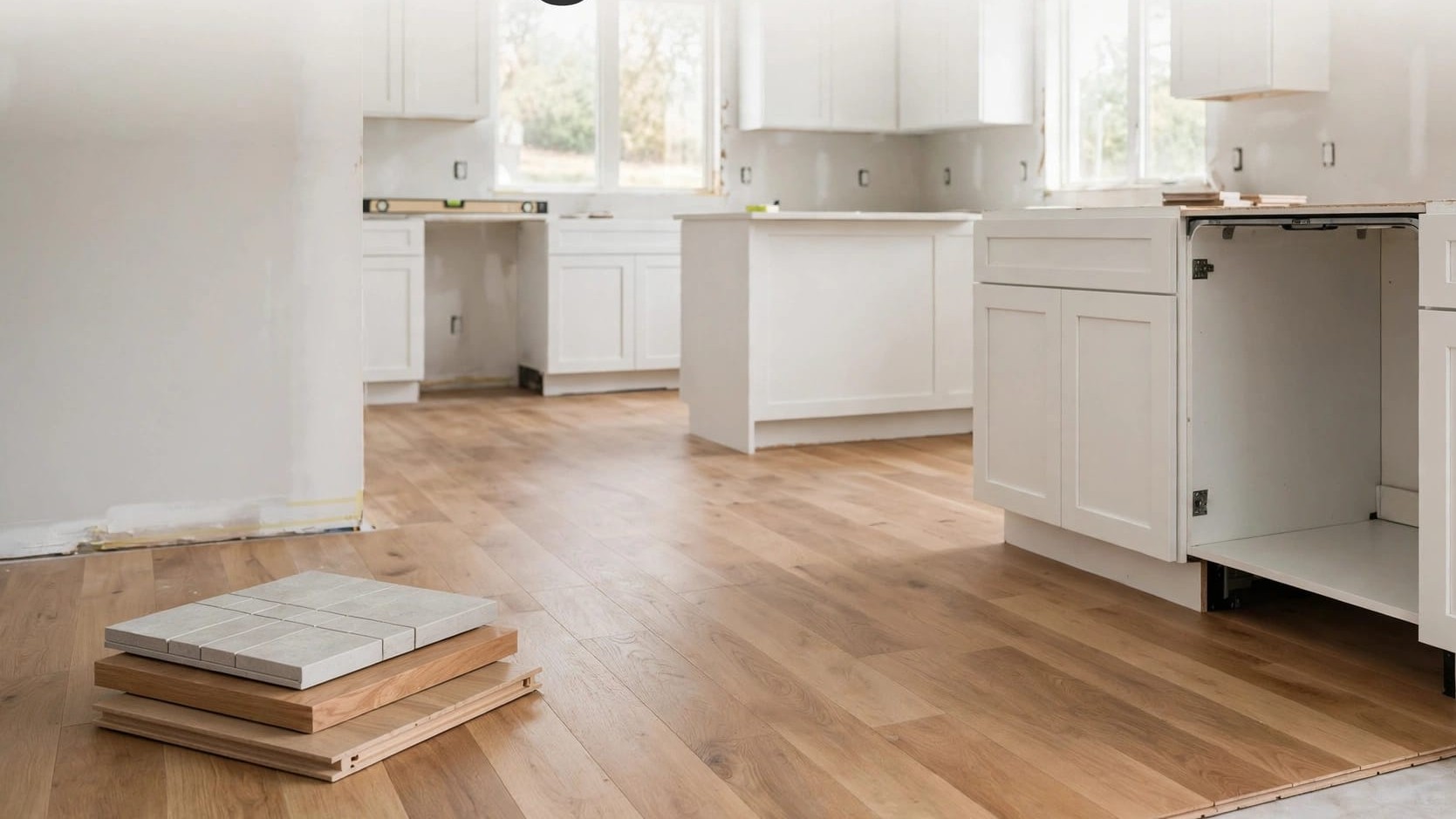
For basements, engineered hardwood is often the safer option because it handles movement better than many solid products. Pair that with the right underlayment and moisture control plan, and you can still get the look and feel of a real wood hardwood floor.
This is also where planning matters across the whole home. Many homeowners tackle the basement and then move on to larger projects, like how to remodel kitchen and bathroom to add to value of house. If that’s on your list, coordinating materials and timelines can save money and avoid mismatched transitions. For bathroom project ideas and scope planning, we often point people to expert bathroom renovation services to understand common upgrade paths.
Choosing sheen and color for a basement (so it still looks good in 5 years)
Basements usually have less natural light, so finish sheen plays tricks on the eye.
- Matte: hides scratches best, looks natural, great for busy basements.
- Satin: still forgiving, slightly brighter, a popular middle ground.
- Semi-gloss and gloss: reflect more light, but they also reflect every scuff.
We also remind homeowners that one of the biggest hardwood floor benefits is long-term flexibility. You can change sheen later, adjust color with stain, and refresh wear layers without tearing everything out, as long as the floor is in good shape.
Conclusion: the “best” basement finish is the one that matches the moisture reality
Basement humidity swings are normal, but damage doesn’t have to be. When we match the right finish type to the space, control humidity, and apply the coating correctly, a basement hardwood finish can stay stable and good-looking for years.
If you want a clear plan for your basement, call (770) 906-4732 for a free estimate. If you show us any existing quote from another contractor, we’ll do it 5% less.