Tile Floor Tenting (Tiles Popping Up): Causes, How to Confirm It, and Repairs That Last
Tile Floor Tenting (Tiles Popping Up): Causes, How to Confirm It, and Repairs That Last
A ceramic tile floor should feel like a calm, solid surface. When it suddenly swells into a ridge and tiles start popping up, it feels like the house is trying to buckle from the inside out. That problem is called tile tenting, and it’s one of the few flooring issues that can look dramatic overnight.
The good news is we can usually explain why it happened, confirm it with a few careful checks, and fix it the right way so the same pressure doesn’t build again.
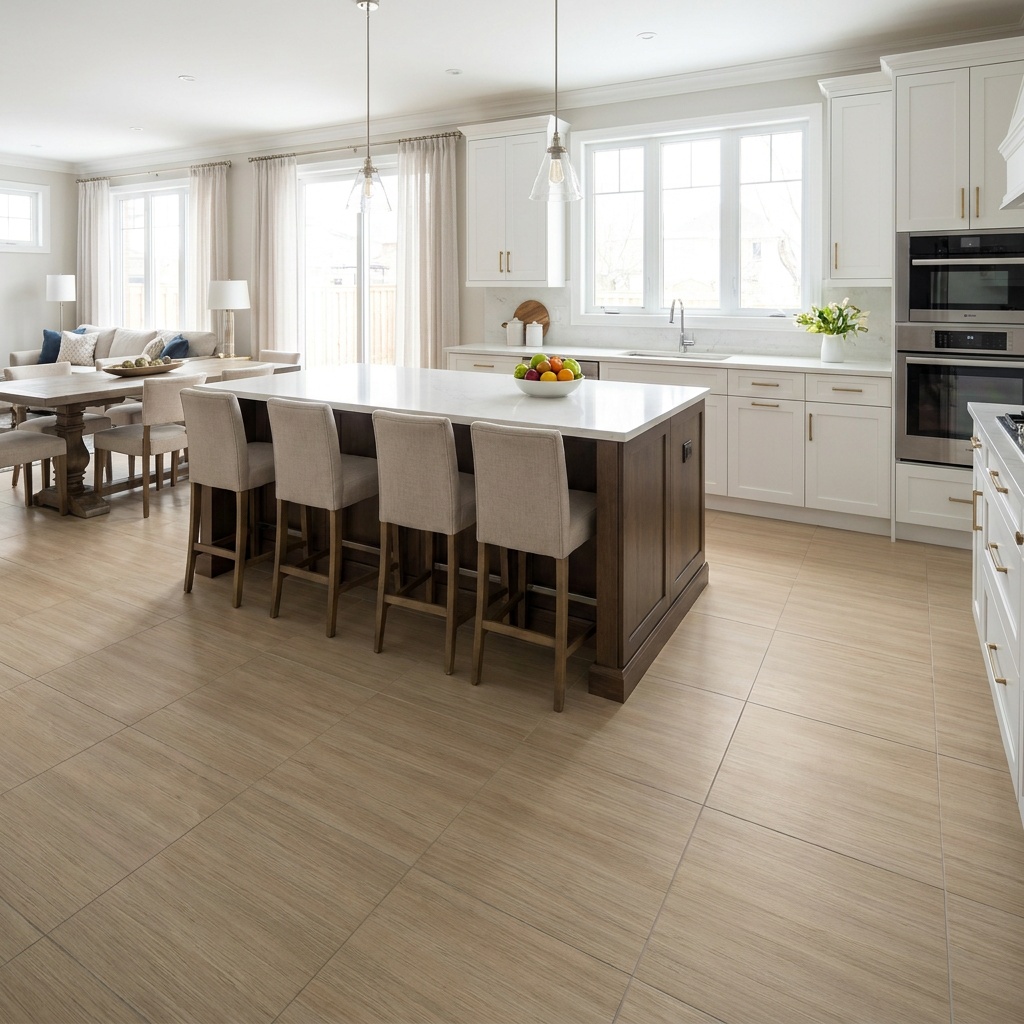
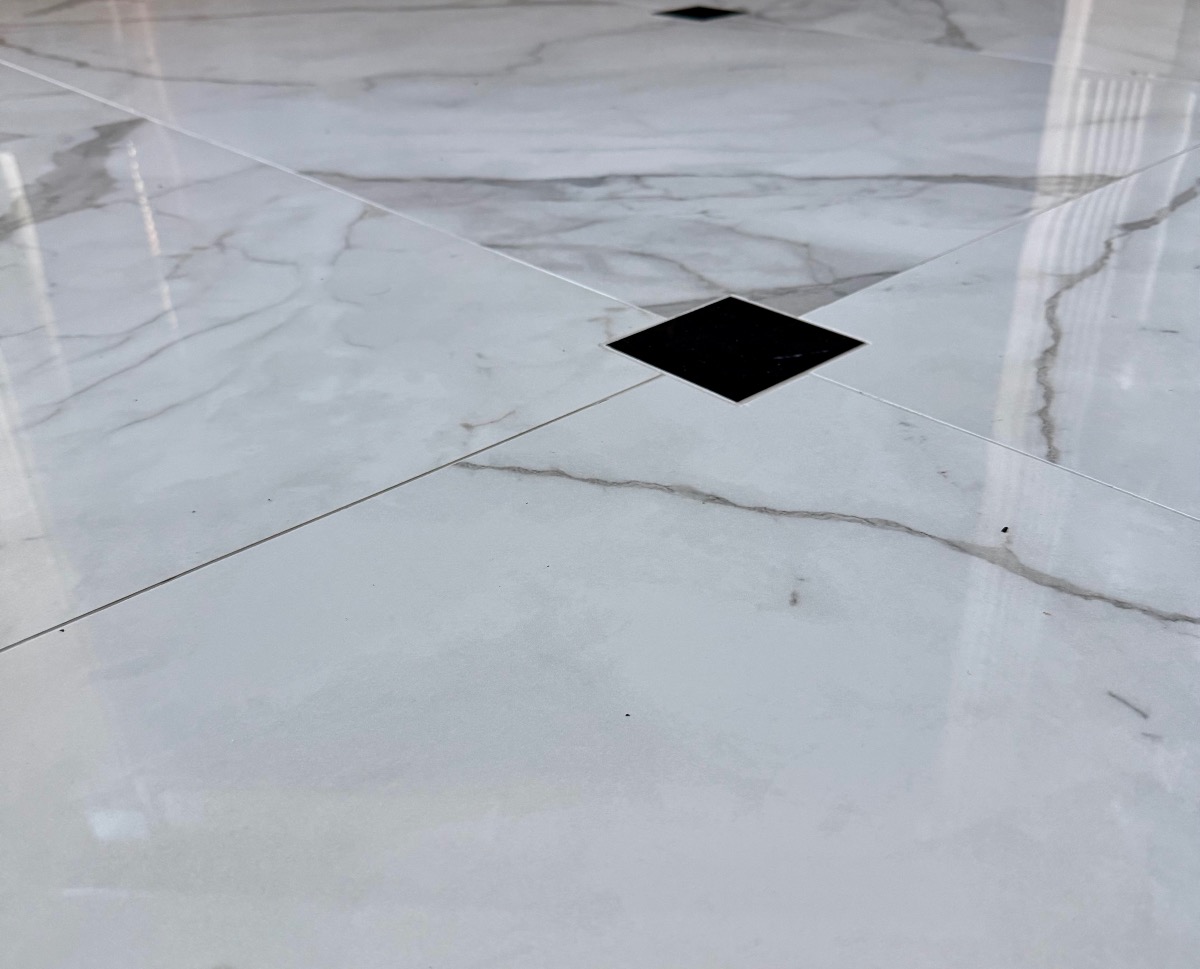 A porcelain tile floor
What tile tenting looks like (and why it’s more than “a loose tile”)
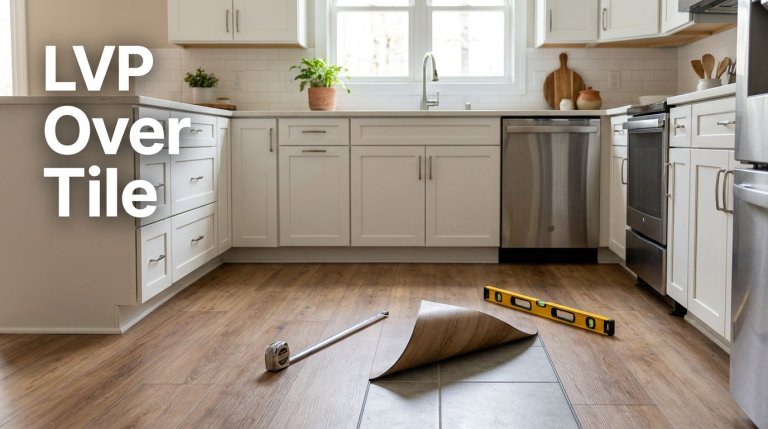
Tile tenting, technically known as tile debonding, is when tiles separate and lift to press against each other, forming a raised “peak” or hump. Sometimes it’s one row, sometimes it runs several feet. In worse cases, a tile corners up high enough to catch a toe, or the tile cracks from the stress.
We usually see a few telltale signs:
- The raised area feels stiff, not springy, like the tiles are wedged upward.
- Grout lines near the peak are cracked or crushed.
- The tented tiles may produce a hollow sound when tapped, because they’ve separated from the thinset below.
Here’s the key idea: tenting is often a pressure release problem. Tile and the layers beneath it undergo thermal expansion and contraction with temperature and moisture. If the installation doesn’t have enough room to move, the floor stores stress like a bent ruler. At some point, it snaps upward at the weakest spot.
A quick comparison helps clarify what we’re looking at:
| What we notice | More likely tenting | More likely a loose tile |
|---|---|---|
| Tiles form a ridge or “peak” | Yes | Rare |
| Multiple grout lines crack together | Common | Less common |
| Sudden change after humidity or heat | Common | Sometimes |
| One tile moves when pressed | Sometimes | Common |
If the floor is actively lifting, we treat it as a safety issue. Buckled tiles can crack sharply underfoot, and the edges can be surprisingly dangerous.
What causes tile tenting (the real reasons tiles pop up)
Tile tenting is rarely “just bad luck.” It’s usually one or more installation and environment factors stacking up until the floor runs out of tolerance.
Missing movement space at walls and fixed cabinets
This is the big one. Tile needs perimeter joints at the perimeter (hidden under baseboard or shoe molding). If tile is installed tight to the drywall, kitchen cabinets, islands, or a tub, expansion has nowhere to go. The floor compresses until it lifts.
No movement joints and expansion joints in larger areas
Large continuous tile fields need planned movement joints and expansion joints in the right places. Without them, the floor behaves like one giant slab. Seasonal changes then concentrate stress at random grout lines, and that’s when we see popping.
Thinset coverage problems or poor bonding
If thinset coverage is spotty, leading to incomplete adhesive coverage and adhesive failure, tiles have weak support. Those weak areas become the easiest place for the floor to release upward when pressure builds.
Moisture swings (especially over concrete)
The concrete slab can move moisture vapor even when it looks dry, particularly during concrete curing. Add Georgia humidity, a wet season, a small plumbing leak, or a change in HVAC habits, and subfloor movement causes the tile substrate and layers under tile to expand.
Heat sources and temperature changes
Direct sun through a window, radiant heat, or even a south-facing room that bakes in the afternoon can push materials to expand. If the floor can’t “breathe,” it pushes upward instead.
If you’re also coordinating bigger upgrades, tile failures often show up during busy projects. As a kitchen remodeling company Cumming homeowners rely on, we plan floors with cabinets, toe-kicks, and transitions in mind, because hard contact points are where tenting pressure builds first.
How we confirm tile tenting before we start removing tiles
We don’t guess and start smashing tile. We confirm what’s happening, and we look for the stress source so the repair doesn’t turn into a repeat performance.
Here’s how we confirm tenting in a practical way:
- Check the perimeter: We look at edges near baseboards, door jambs, and cabinets. If tile or grout is jammed tight to the wall with no gap, that’s a red flag pointing to issues like poor subfloor preparation.
- Tap test for hollow spots: A hollow sound around the hump often means the tile has released from the mortar bed. That hollow sound is a key diagnostic clue.
- Look for a “compression story”: Cracked grout that radiates outward from the peak often points to compression, not simple impact damage.
- Rule out subfloor movement: If the subfloor is wood and we have bounce, rot, or deflection from subfloor movement, tile can fail in other ways. Tenting can still happen, but the fix must address structure first.
If you want a plain-language overview of tile popping causes and prevention, this tile popping guide covers common triggers we also see in real homes.
In bathrooms, we also pay attention to moisture clues like staining at baseboards, soft spots near toilets, and past leak history, especially with porcelain tile where water exposure accelerates failure. If you’re already planning an update, our approach to bathroom remodeling Cumming often starts with fixing the conditions that make tile fail, not just swapping finishes.
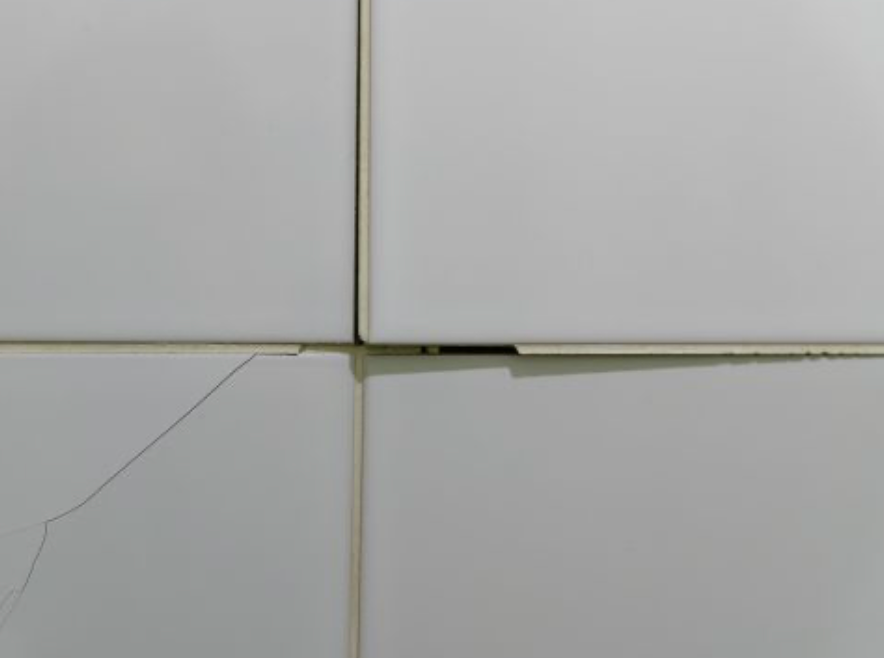 picture of loose tile
The right repair so tile tenting doesn’t come back
A lasting repair does two things: it fixes the damaged area, and it releases the pressure that caused the tenting in the first place. If we only re-stick tiles without solving the stress point, the floor often tents again, sometimes a few feet away.
Step 1: Make the area safe, then remove the tented tiles cleanly
We protect nearby surfaces, remove the tented tile(s), and inspect the thinset transfer on the back for adhesive failure. This tells us if bonding was poor, coverage was thin, or if the tile released due to compression.
Step 2: Find and correct the movement restriction
This is the part many repairs skip. Depending on what we find, we may:
- Re-establish proper perimeter joints (so the tile field can expand without jacking upward).
- Add planned movement joints where it makes sense (often at transitions, long runs, or where the home structure changes).
- Replace rigid grout at key change-of-plane areas with an appropriate flexible joint.
Step 3: Rebuild the tile assembly correctly
We re-set tile with polymer-modified tile adhesive for the tile type and subfloor, using back-buttering for consistent coverage and flatness. If the floor has a history of movement, an uncoupling layer or vapor retarder may be part of the long-term solution over concrete after proper surface preparation for tiling installation, but only after we address the underlying cause.
Step 4: Consider when replacement is smarter than patching
Large-format tiles and glazed porcelain are particularly susceptible to these issues. If tenting is widespread, if many tiles sound hollow, or if the installation is locked tight under cabinets through the whole room, a small patch can become a string of patches. In those cases, we often discuss replacement options, including luxury vinyl tile and plank in areas where moisture swings are common.
Many of our clients call us for tile issues, then also ask about wood and full-home upgrades. We’re a remodeling company in Cumming, and we coordinate sequencing so new floors aren’t trapped under new cabinetry. If you need a hardwood floor company Cumming homeowners trust, or a hardwood floor sanding company Cumming residents call when traffic lanes look worn, we plan those projects with the same rule: fix the cause, not just the symptom. We also work as a hardwood floor company servicing Windermere, and we can help you install new flooring Cumming homeowners choose for kitchens, baths, basements, and main levels. For full-scope projects, we also operate as a kitchen and bathroom remodeling company Cumming Ga, keeping tile, trim, and transitions consistent across the home.
For a free estimate, call (770) 906-4732. If you show us any existing quote from another contractor, we’ll do it at 5% less for the same scope.
Tile tenting looks sudden, but the pressure usually builds over time. When we confirm the cause (missing movement space, tile debonding, moisture issues, or heat), the repair becomes straightforward and durable. The goal isn’t just to get the tiles flat again, it’s to make sure the floor has room to move without fighting itself. If your tiles are popping up, call (770) 906-4732 for a free estimate, and remember, with an existing written quote, we’ll beat it by 5%.