
Hardwood or Carpet for Allergy Relief in Cumming?
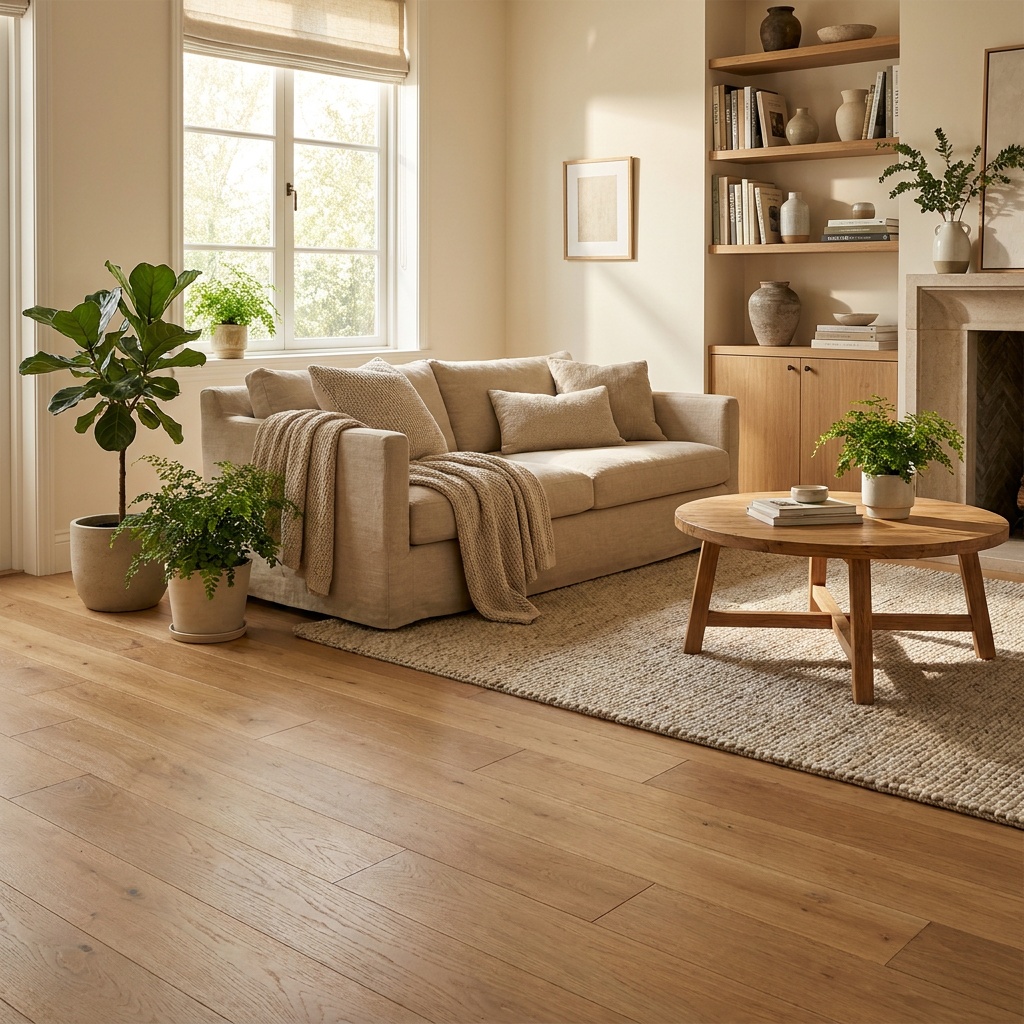
When persistent sneezing begins the moment you walk into a room, your choice of flooring stops being a simple design preference and becomes a major comfort issue. Many residents in Cumming find that comparing hardwood vs carpet allergies is the first step toward reclaiming their home environment. Because hardwood does not trap dust, pollen, and pet dander the way carpet fibers do, it is generally the superior choice for those looking to improve their indoor air quality and protect their respiratory health.
That does not mean every carpeted room is destined to be a problem or that every wood floor is automatically perfect. Still, when we weigh the benefits of hardwood against carpet for allergy relief, hardwood usually makes daily cleaning much easier and helps indoor air feel significantly lighter. Let’s look at where that difference shows up most.
Key Takeaways
- Hardwood flooring is generally superior for allergy relief because it allows for the removal of dust, pollen, and pet dander rather than trapping them within fibers.
- Carpet acts as a filter that stores allergens in the fibers and padding, which can be kicked back into the air with every step.
- Hardwood performance is best when floors are properly sealed, smooth, and free of wide gaps where dust might otherwise accumulate.
- Moisture-prone areas like kitchens, bathrooms, and basements require durable, hard surfaces to prevent the growth of mold and mildew that carpet often harbors.
- Regular maintenance and professional installation are crucial to ensuring that your flooring choice remains a long-term solution for improving indoor air quality.
Hardwood flooring offers the allergy advantage
Flooring won’t cure allergies, but it can lower how much dust and pollen stay in the house. That is the heart of the hardwood vs carpet allergies debate. Carpet fibers and carpet padding hold particles below the surface, while hardwood flooring keeps most of that debris on top, where we can sweep, vacuum, or use damp mopping to clear it away.
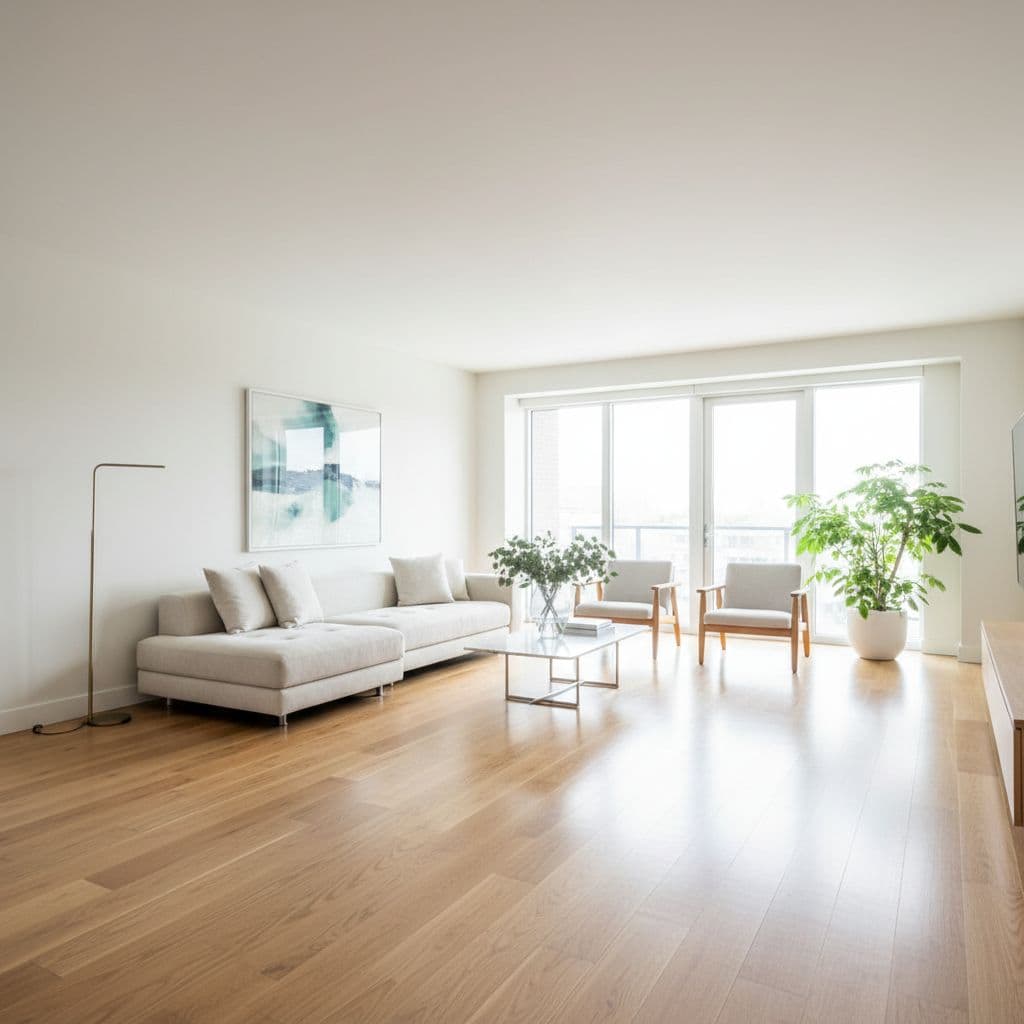
Here is the side-by-side difference most homeowners notice first:
| Factor | Hardwood | Carpet |
|---|---|---|
| Dust and pollen | Stays on the surface | Settles into carpet fibers and pad |
| Pet dander | Easier to remove fully | Clings and builds up |
| Daily cleaning | Fast with vacuum or mop | Needs frequent deep vacuuming |
| Moisture risk | Visible and easier to catch | Can hide damp spots and odors |
| Comfort underfoot | Firmer feel | Softer and warmer |
The takeaway is simple. Hardwood flooring lets us remove allergens instead of storing them. By choosing this material, you effectively avoid the accumulation of dust mites and pet dander that often plague indoor environments.
That matters even more in Cumming, where spring pollen sticks to shoes, pets, and clothing. Once it comes indoors, carpet acts a lot like a filter that never fully empties. Vacuuming helps, but it rarely gets everything from the lower layers, and it often leads to the resuspension of airborne particles that trigger symptoms.
By contrast, hardwood gives us fewer places for irritants to hide. If the floor is properly finished and the seams are tight, cleanup is more direct. We see the dust, then we remove it.
Why carpet often feels worse during Cumming allergy season
Carpet has one big strength, comfort. Bedrooms feel warmer, stairs feel quieter, and a soft surface can be easier on tired feet. Yet for allergy relief, comfort often comes with a trade-off.
Pollen does not stay near the front door. It rides in on sneakers, backpacks, grocery bags, and dog paws, where it is easily trapped within carpet fibers. In a humid Georgia climate, this buildup can feel even heavier because carpet holds onto moisture longer than hard flooring. These fibers act as a filter, constantly collecting pollen and pet hair which serve as persistent allergy triggers.
The problem is not always what we can see. Every time someone walks across a carpeted floor, particles are kicked up, significantly increasing the dust load in the air. This happens long before the surface looks dirty. That is why some homes still feel stuffy even after a quick vacuum.
The more a floor hides, the harder it is to clean well.
Older carpet brings more trouble due to consistent allergen accumulation. Fibers break down, backing wears out, and the pad below can hold years of dust. If there have been spills, pet accidents, or damp spots, odors and allergens stay trapped deep underneath. While routine deep cleaning is necessary, it is often insufficient for removing everything embedded in the pad. At that stage, professional cleaning offers only partial relief.
We also hear homeowners say carpet feels cleaner because the room looks neat. Unfortunately, looks can fool us. Hardwood shows dust faster, but that also means we know when it is time to clean. Carpet hides the buildup until the air starts to feel off.
If someone in the home struggles with year-round allergies, asthma triggers, or pet dander, carpet usually works against the goal of a healthy home.
Hardwood works best when the floor is sealed, smooth, and easy to maintain
Hardwood isn’t perfect by default. If boards have wide gaps, splinters, worn finishes, or years of grime in the seams, those surfaces can still hold dust. The good news is that we can often fix that without tearing everything out.
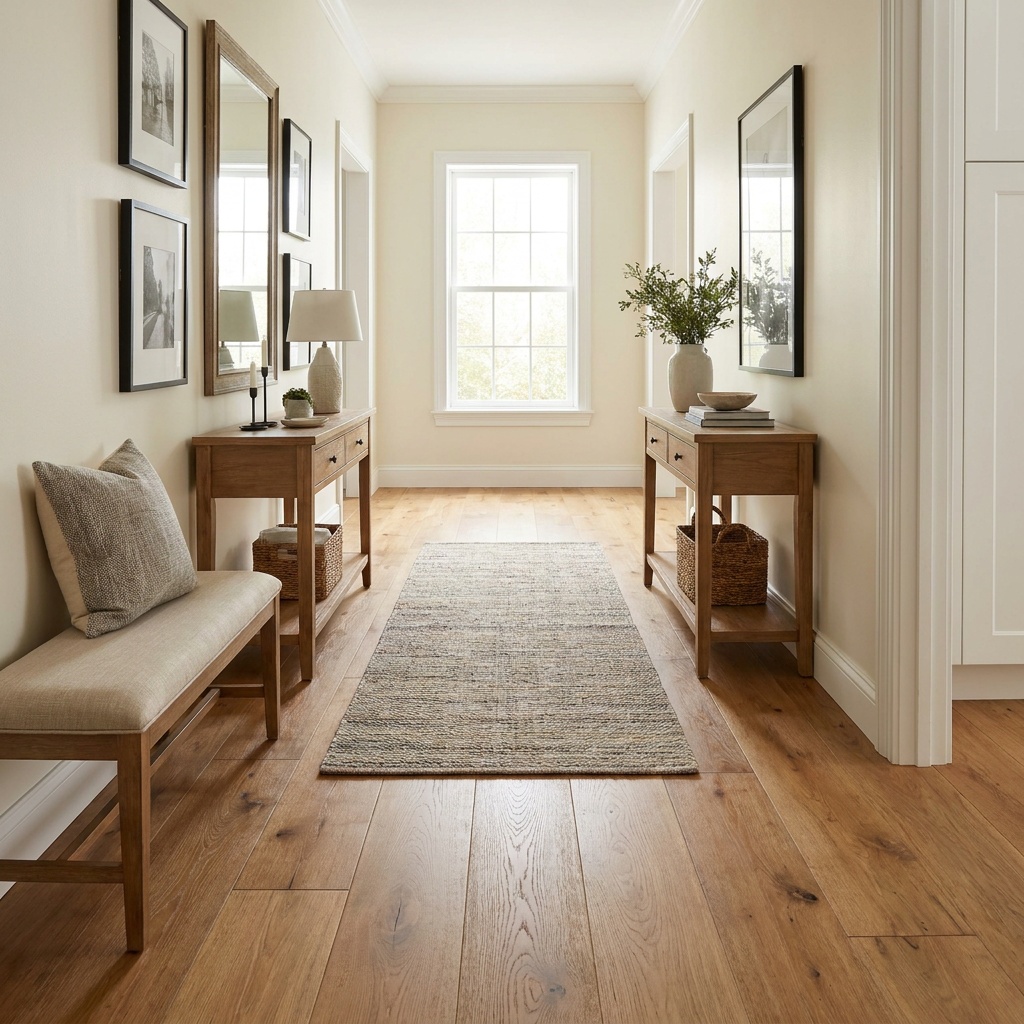
Many homeowners start by searching for a hardwood floor company Cumming or a hardwood floor sanding company Cumming after they pull up a corner of old carpet and find solid wood underneath. In many cases, sanding and refinishing that hardwood flooring is the cleaner move. These smooth flooring surfaces are much easier to keep allergy-friendly than damaged carpet.
Photo by Bidvine
If the old wood is too far gone, we may need to replace sections or install different hardwood flooring. Some families even search “install new flooring Cumming” after one rough pollen season because they want something they can clean in minutes, not hours.
A few details matter here:
- A strong finish helps block dust from settling into the grain.
- Low-volatile organic compounds finishes are a smart choice when indoor sensitivity is part of the problem.
- Washable area rugs are easier to manage than wall-to-wall carpet.
- Regular vacuuming with a hard-floor setting is essential, as it removes grit and debris before they can scratch or damage the protective seal of the wood.
We also like to look at stair treads, trim, and floor transitions. Those spots collect dust fast, and they often get skipped during rushed cleaning. When the whole system is planned well, hardwood becomes easier to live with every week, not only right after installation.
Kitchens, baths, and basements need a different allergy plan
Allergy relief isn’t only about the living room or bedroom. Because moisture plays a big role in these areas, kitchens, bathrooms, and basements require a specialized flooring plan to protect your indoor air quality.
We hear all kinds of local searches when homeowners start piecing projects together. Some type “kitchen remodeling company Cumming.” Others search “bathroom remodeling contractor near me.” We also see longer searches such as “kitchen and bathroom remodeling company Cumming Ga” or “basement finishing company near me.” Behind each search is the same goal: a cleaner, healthier home.
In kitchens, hardwood can work, but spills and traffic matter. If the room gets heavy use, upgrading kitchen floors during a remodel may point us toward tile, stone, or high-quality synthetic materials like luxury vinyl instead. These surfaces help with allergy control because they clean up fast and do not trap debris or allergens like carpet.
Bathrooms are even more clear-cut. Carpet in a bathroom is a poor choice because it traps moisture, creating an ideal environment for mold spores and other harmful pollutants to thrive. That is why water-resistant bathroom flooring solutions make more sense when a family wants a fresher space that minimizes dampness and protects your long-term indoor air quality.
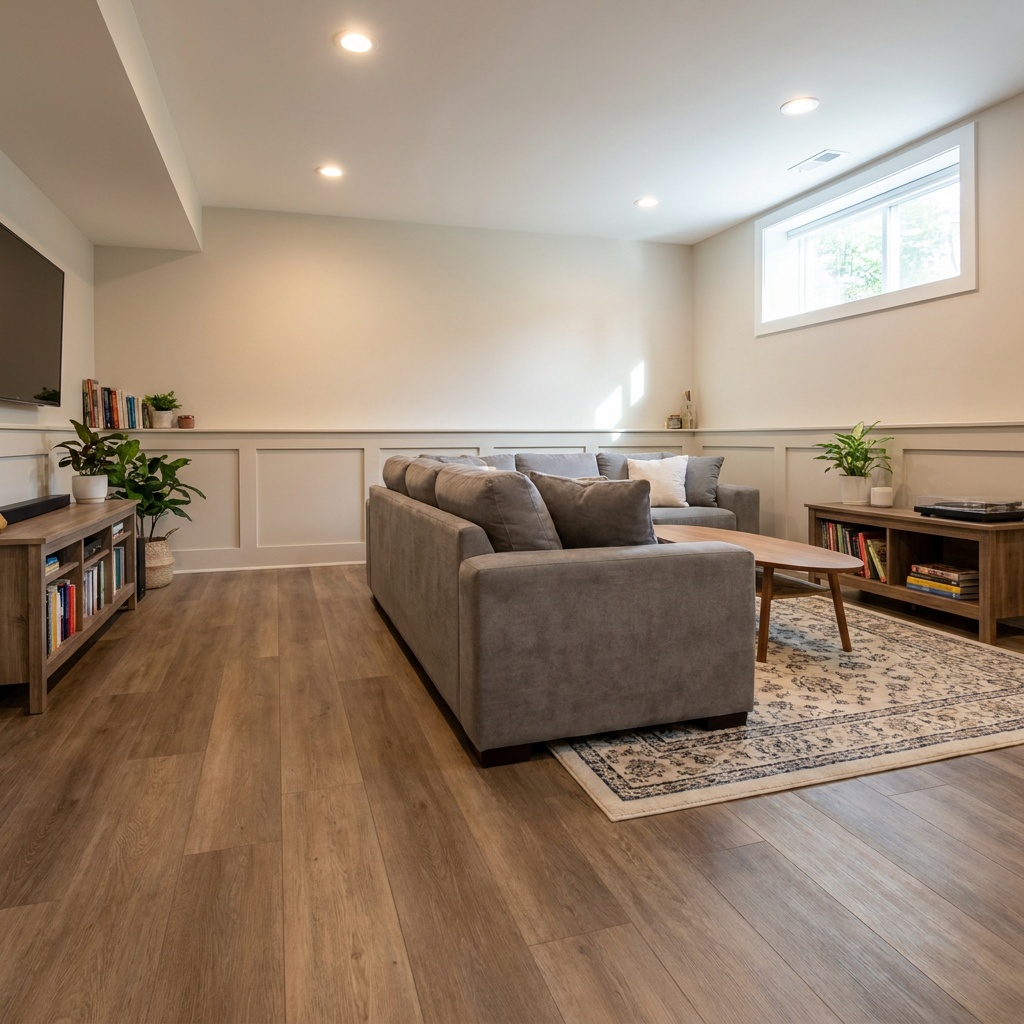
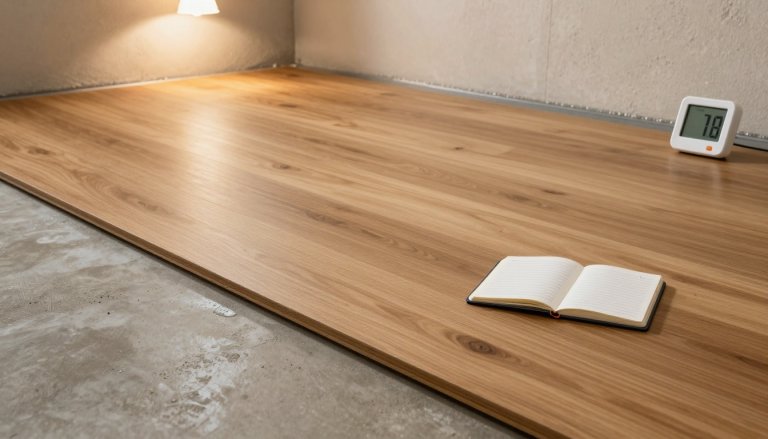
Basements also deserve caution. Below-grade rooms can hold moisture even when they do not feel wet. Carpet in a basement may stay musty for months before anyone notices, providing a breeding ground for invisible pollutants. For many homes, durable hard surfaces installed with the right underlayment make the air feel cleaner and the space much easier to maintain.
A good remodeling company in Cumming should evaluate flooring, ventilation, and how each room is used. Effective allergy relief works best when we treat the room as a whole, rather than focusing only on the surface.
Choosing the right local crew matters as much as the material
The best floor choice can still disappoint if the job leaves dust, gaps, or bad transitions behind. That is why product choice and professional workmanship must go together. While hardwood remains the cleanest option for most allergy sufferers, some homeowners may still prefer the comfort of carpet. If you choose to go that route, be sure to seek out professional carpet installation of hypoallergenic carpet or a low-shag carpet. Regardless of the material, keeping your home environment clean is essential, and utilizing professional hot water extraction is the most effective way to maintain those surfaces and minimize allergens.
A homeowner in Windermere may search for a hardwood floor company servicing Windermere, but the smarter question is how the crew handles prep, installation dust, stair work, and finishing. Clean cuts, tight seams, and proper trim all help keep dirt from collecting where vacuums cannot reach.
We recommend asking a contractor a few direct questions. How will they protect the rest of the house during removal? Will they inspect the subfloor for moisture? Can they match flooring on stairs and landings so there are fewer dust-catching edges?
That same care matters when the project grows beyond flooring. Whether you need a kitchen remodeling company Cumming homeowners can trust or a full remodeling company in Cumming for baths and basements, the cleaner result comes from good planning before the first board goes down.
If you are comparing quotes, call (770) 906-4732 for a free estimate. If you already have a quote from another contractor, show it to us and we will do it at 5% less.
Frequently Asked Questions
Is hardwood completely allergy-proof?
No flooring is entirely allergy-proof, but hardwood is significantly more effective than carpet at reducing indoor irritants. While wood does not trap allergens, dust will still settle on the surface, which necessitates regular cleaning to keep the environment healthy.
Can I keep my carpet if I have severe allergies?
If you prefer to keep carpet, it is best to choose low-shag or hypoallergenic options and commit to a rigorous cleaning schedule. Professional hot water extraction is highly recommended to remove the deep-seated allergens that standard vacuuming cannot reach.
Why does my home still feel stuffy even after vacuuming?
If you have carpet, your vacuum may be missing particles trapped deep within the padding or inadvertently launching them into the air. This cycle of debris accumulation and redistribution is a common reason why homes with wall-to-wall carpeting feel stuffy despite frequent cleaning.
Are area rugs a good compromise for allergy sufferers?
Yes, washable area rugs are a much better choice than wall-to-wall carpet because they can be removed and cleaned thoroughly outside the home. This allows you to maintain the comfort of a soft surface while still being able to clean the hardwood floor underneath.
Conclusion
For most homes in Cumming, hardwood flooring is the better choice for allergy sufferers because it holds less dust, less dander, and less hidden debris. While carpet may feel softer, it requires more intensive cleaning and often traps common allergy triggers close to the surface.
The best solution also depends on the specific room. Kitchens, baths, and basements often require moisture resistant surfaces, while existing hardwood may only need sanding and refinishing to feel new again. For those seeking the best results regarding long term respiratory health, combining the installation of easy to clean flooring with consistent HEPA filtration and air purification systems provides the most effective relief.
When indoor air feels heavy, the fix often starts under our feet. A clean, smooth floor is the first step toward creating a healthier home environment.