Upstairs Flooring Options Over Plywood Subfloors (What Actually Works)
Picking upstairs flooring options sounds simple until you remember what’s under your feet. Upstairs floors tend to “talk” more, squeaks, bounce, hollow sounds, and footfall noise all travel farther than you expect.
The good news is that plywood subfloors can support just about any finish floor if the base is solid, flat, and dry. The tricky part is matching the right material to the way your family lives upstairs, and to how the floor will be installed.
Below, we’ll walk through what matters most, then compare the best choices for second-floor rooms so you can feel confident before you commit.
What a plywood subfloor upstairs needs before we install anything
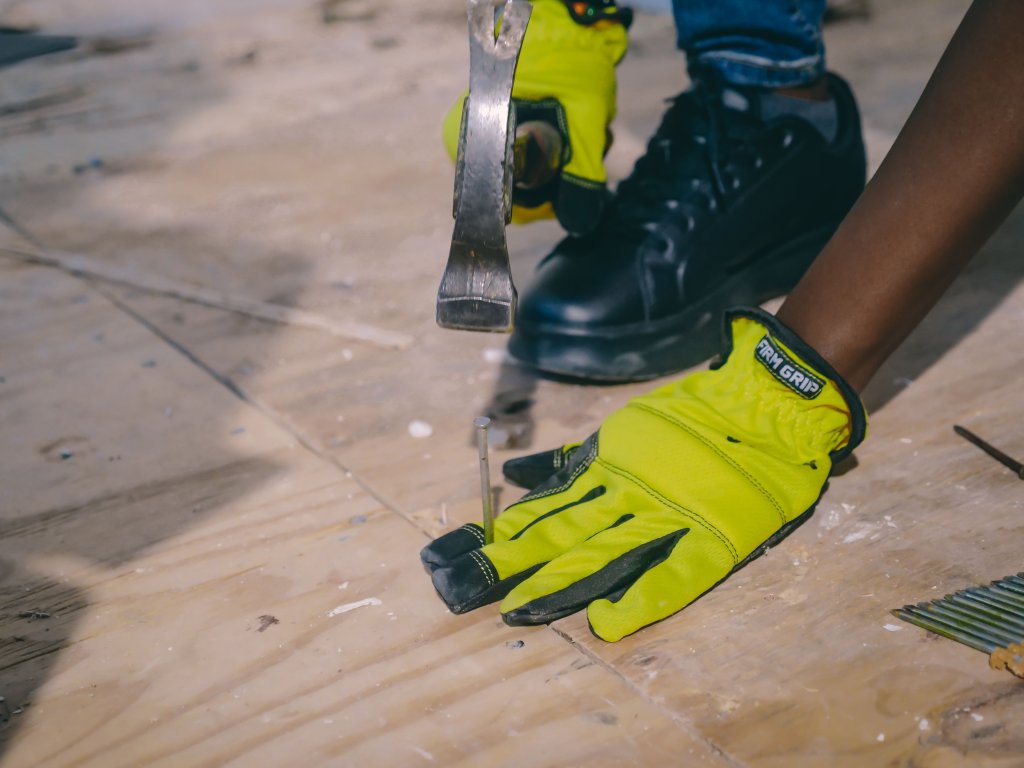 Upstairs is less forgiving than a main floor slab. A small dip in plywood can turn into a “click” in floating floors, a gap in hardwood, or cracked grout in tile. Noise also gets worse upstairs because the framing cavity can act like a drum.
Before we recommend a finish floor, we look at four basics: structure, flatness, fastening, and moisture.
Here’s the quick checklist we like to follow:
- Stop movement: Tighten loose panels, add fasteners where needed, and address bounce before anything else.
- Silence squeaks: Squeaks usually come from movement between framing and subfloor, not the finished floor. This is the time to fix it.
- Flatten the surface: High seams, low spots, and old patching compound can telegraph through many materials.
- Clean it up: Dust, drywall mud, and paint overspray can break adhesives and cause uneven underlayment seams.
- Confirm it’s dry: Moisture problems upstairs are often from bathrooms, laundry rooms, or past leaks.
If you’re curious why second-floor systems squeak and how builders reduce it, LP’s overview of second-floor subfloor noise causes is a helpful read.
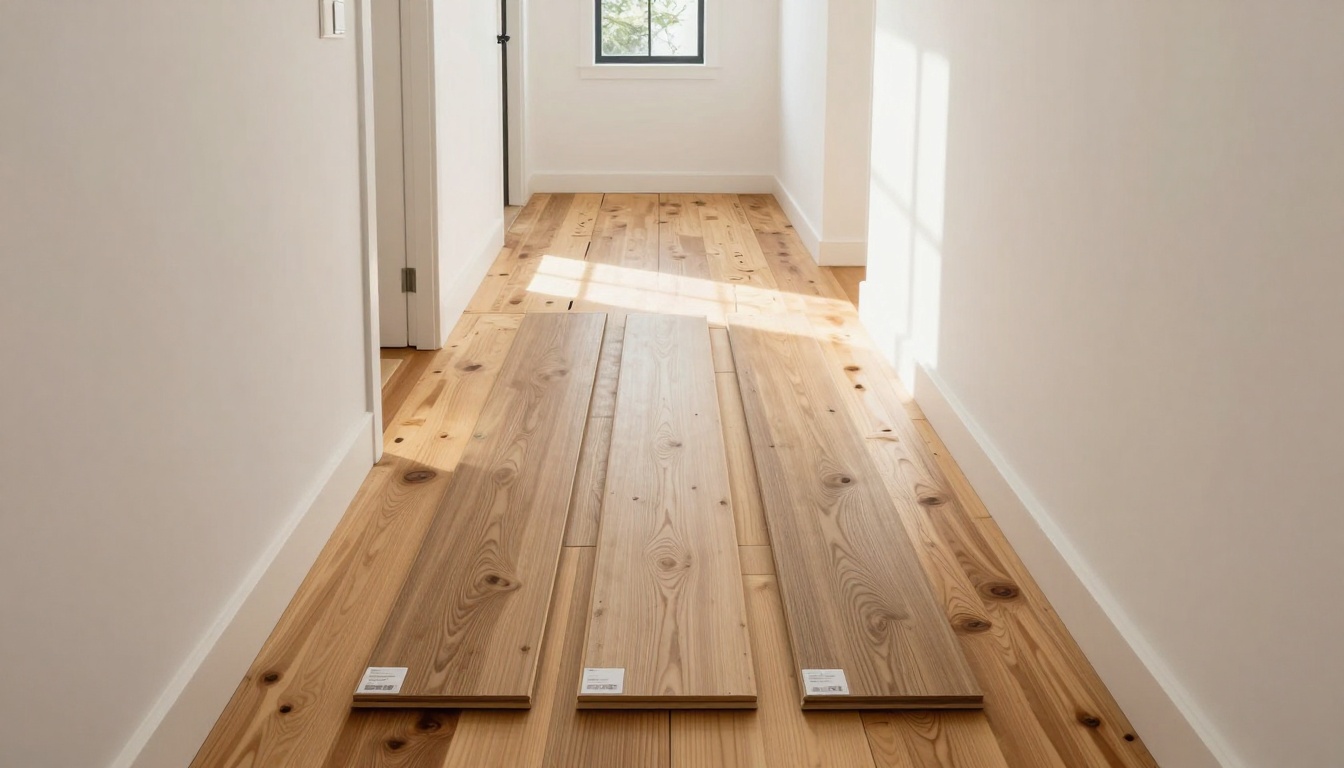
Just as important, we set expectations on process. A well-run project usually goes like this: we help you narrow choices, we bring samples to your home for lighting and color checks, we measure, then we schedule install day with a clear plan for furniture, demo, trim, and cleanup. That order prevents surprises and keeps the upstairs livable.
Comparing upstairs flooring options over plywood (pros, cons, and install style)
When homeowners ask us about a hardwood floor Cumming upgrade upstairs, what they usually want is a calm, solid feel underfoot. That “feel” comes from the product plus the install method.
Here’s a practical snapshot of popular options:
Flooring typeWhy homeowners like it upstairsWatch-outs on plywoodEngineered hardwoodReal wood look, stable, can be glued, floated, or nailedNeeds flatness, may limit future refinishingSolid hardwoodTimeless, can be refinished many timesMore sensitive to seasonal movement, louder without sound controlLVP (luxury vinyl plank)Quiet underfoot with the right pad, water-resistant, easy careSubfloor must be very flat or joints can telegraphLaminateDurable wear layer, good visuals for the priceCan sound hollow if underlayment is thin, hates standing waterCarpetBest for sound and comfort in bedroomsStains, allergens, and wear on stairsTileGreat for baths and laundry areasNeeds stiff framing and an approved underlayment to resist cracks
A few real-world picks we see upstairs
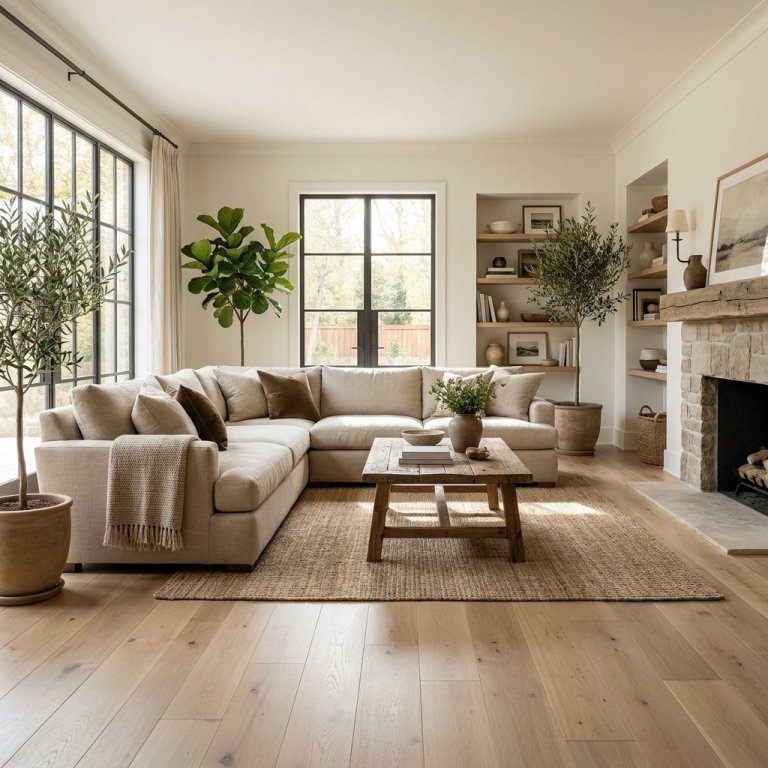
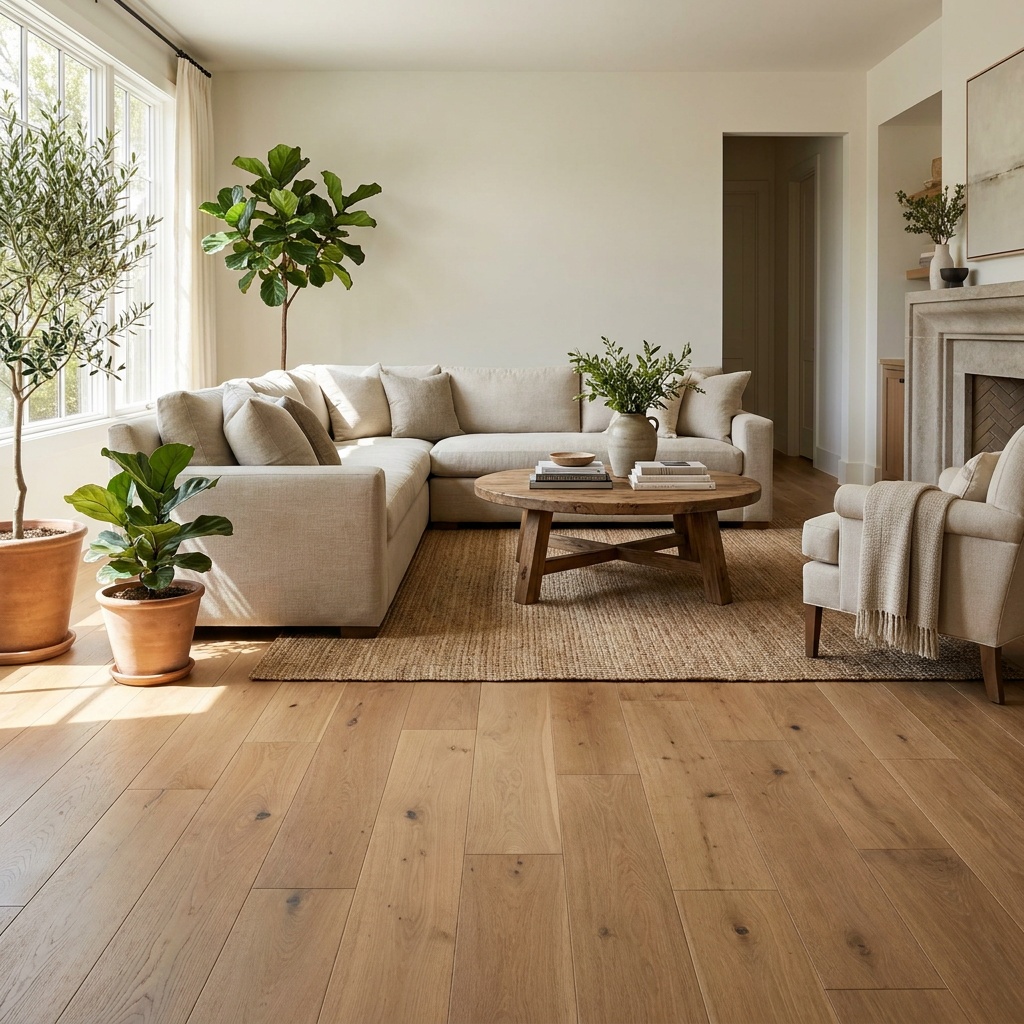
Engineered hardwood is often the sweet spot for second floors. It gives you true wood, but handles normal seasonal shifts better than many solid products. It’s also flexible on installation: nail-down, glue-down, or floating (depending on the product and site conditions).
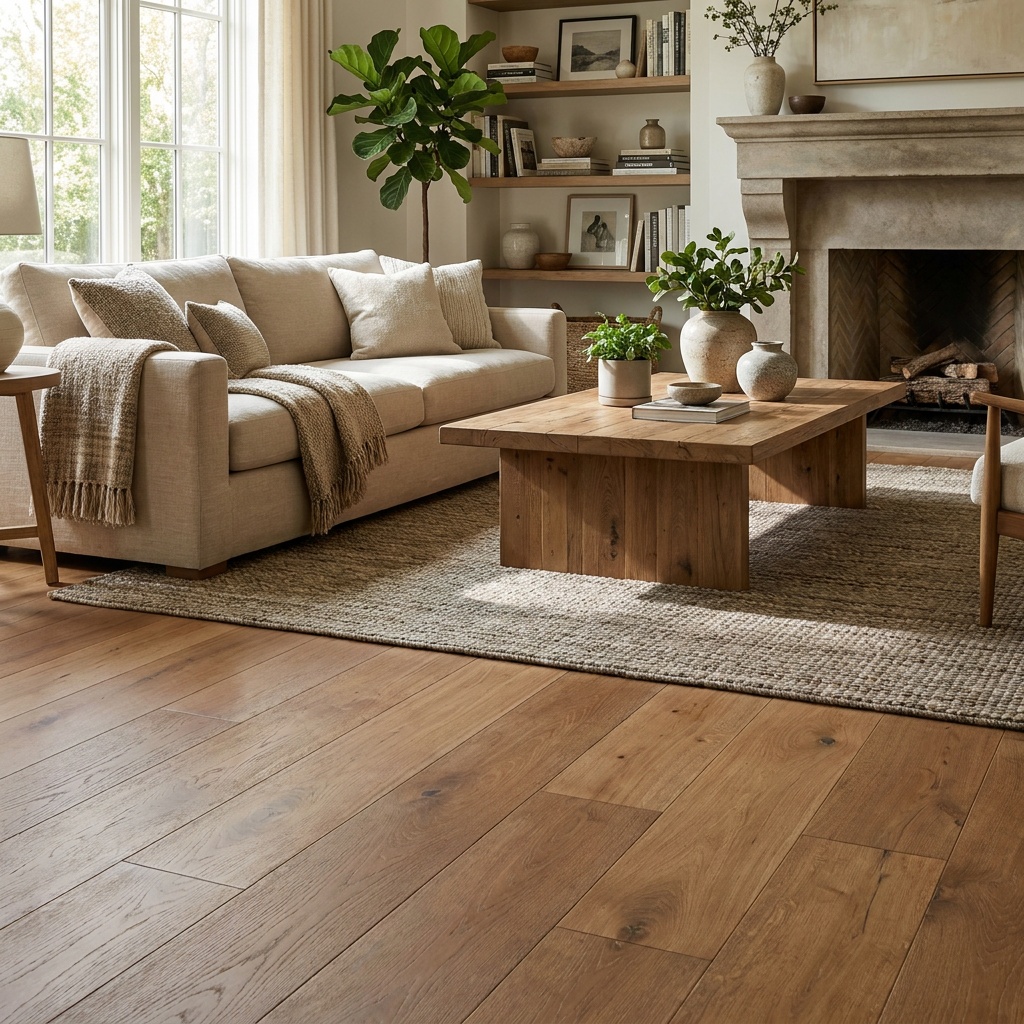
Solid hardwood is still a favorite for hallways and primary suites, but it’s less forgiving. If noise control matters, we plan for an underlayment strategy and tighter subfloor prep.
LVP works well for kids’ rooms and busy homes. It’s also a common choice when homeowners want a durable upstairs floor that won’t panic them during a spill. The key is flat plywood and the right underlayment so the floor doesn’t sound “plastic” or clicky.
For wood floors, City Floor Supply’s guide to subfloor prep for wood installations lines up with what we see in the field: most “floor problems” start as “subfloor problems.”
Noise control, stairs, and future repairs (the upstairs realities)
Upstairs floors aren’t just about looks. They’re about what you hear at 2 a.m. when someone heads to the kitchen for water.
Footfall noise is the number one complaint we get on second floors, and plywood alone won’t solve it. What helps is a layered approach:
- A tighter subfloor (less movement equals less squeak)
- The right underlayment (not just thicker, but designed for sound)
- Soft surfaces in the room (rugs and runners make a bigger difference than people expect)
- Smart transitions at doorways and at the top of stairs
Stairs deserve their own plan. A quiet upstairs hallway can still feel loud if the stair treads creak. We prefer to address stair structure during prep, not after the new floors are in.
Then there’s the “what if” factor: dents, scratches, pet accidents, or a future layout change. If you want the option to refresh real wood later, talk with a hardwood floor sanding company Cumming homeowners rely on before picking a thin veneer product that can’t take much sanding.
Moisture checks matter too, even upstairs. Bathrooms, laundry rooms, and past leaks can leave moisture where you don’t see it. Wagner Meters lays out practical subfloor preparation steps that match how we approach risk reduction before installation.
If you’re planning to install new flooring Cumming homeowners often tie it to other upgrades, like remodeling kitchen and bathroom Cumming Ga projects. That’s smart. We can help you keep floor heights consistent, plan transitions, and avoid rework when cabinets, vanities, or tubs change.
And if you’re comparing neighborhoods and providers, even a Windermere hardwood floor company will tell you the same truth: upstairs success comes from prep, sound control, and choosing a floor that fits the room.
Conclusion
The best upstairs floor over plywood is the one that fits your noise tolerance, your upkeep habits, and your long-term plans, not just your Pinterest board. When the subfloor is tight, flat, and dry, we can make most products perform well.
If you want a clear plan and pricing, call (770) 906-4732 for a free estimate. If you show us any written quote from another contractor, we’ll do the same scope for 5% less. What matters most to you upstairs, quiet, comfort, or the ability to refinish later?