Flooring Lifespan: How Long Hardwood, LVP, Tile, Laminate, and Carpet Last
A floor can look tired years before it has reached the end of its useful life. Knowing its flooring lifespan helps you decide whether to clean, repair, refinish, or replace it before spending money on the wrong fix.
In Cumming homes, daily traffic, pets, humidity, and water exposure matter as much as the product label. A long-lasting floor starts with the right material for the room and a sound subfloor beneath it.
Use the ranges below as a planning tool, then assess the actual condition of your floors.
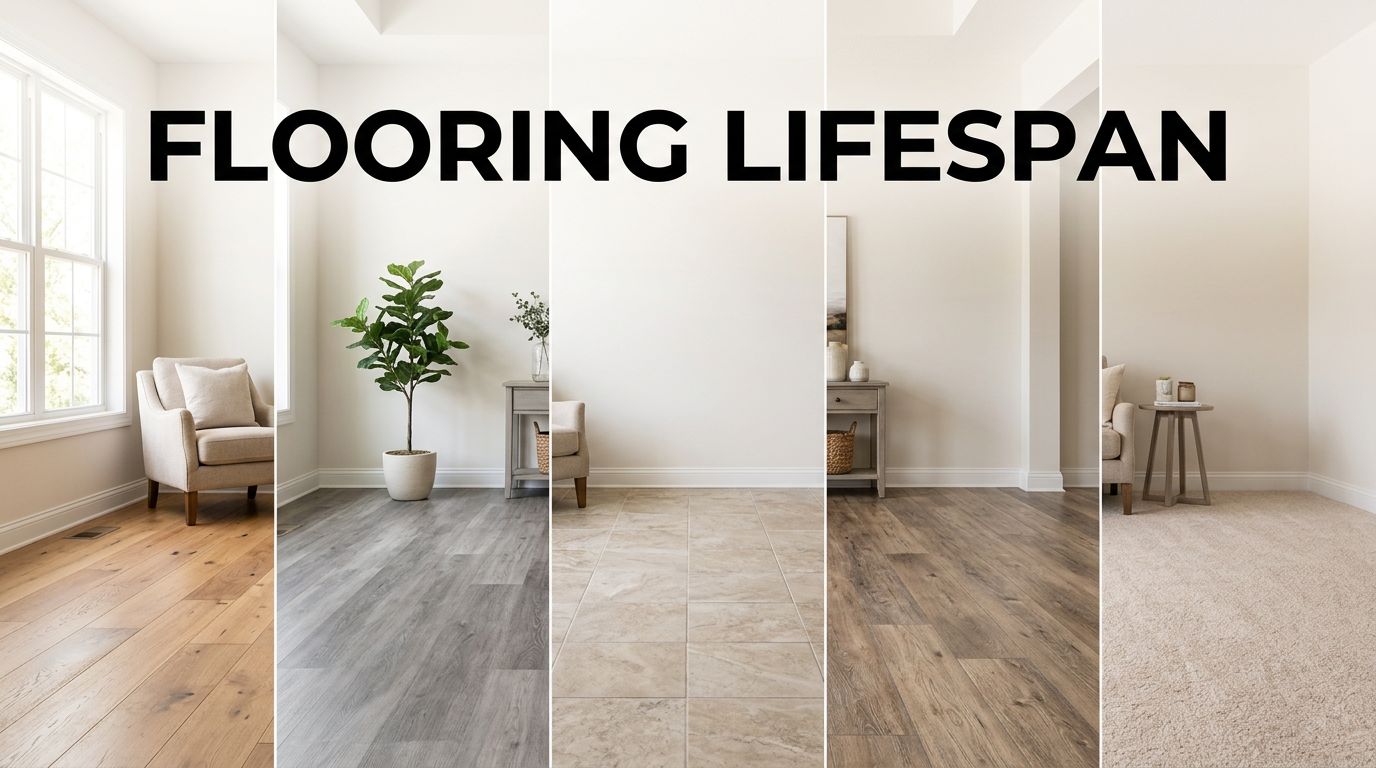
Flooring lifespan ranges for popular home materials
Every flooring lifespan estimate is a range, not a warranty. Installation quality, cleaning habits, moisture, sunlight, and the number of people in your home can move the result in either direction.
| Flooring material | Typical residential lifespan | Common reason for replacement |
|---|---|---|
| Solid hardwood | 30 to 50+ years | Deep water damage, excessive sanding, or structural board damage |
| Engineered hardwood | 20 to 40 years | Worn veneer, delamination, or moisture damage |
| Luxury vinyl plank or tile | 15 to 25 years | Worn wear layer, loose planks, dents, or seam problems |
| Ceramic or porcelain tile | 50+ years | Cracked tile, failed grout, or subfloor movement |
| Laminate | 10 to 25 years | Swollen seams, chipped edges, or worn surface layer |
| Carpet | 5 to 15 years | Matting, stains, odor, damaged padding, or seam failure |
The material alone doesn’t decide the outcome. A quality floor installed over an uneven or damp subfloor can fail early, while a well-maintained surface often lasts longer than expected. The Robbins guide to choosing flooring also makes a useful point: room use, moisture exposure, and traffic should guide the choice as much as appearance.
Hardwood floors can last for generations
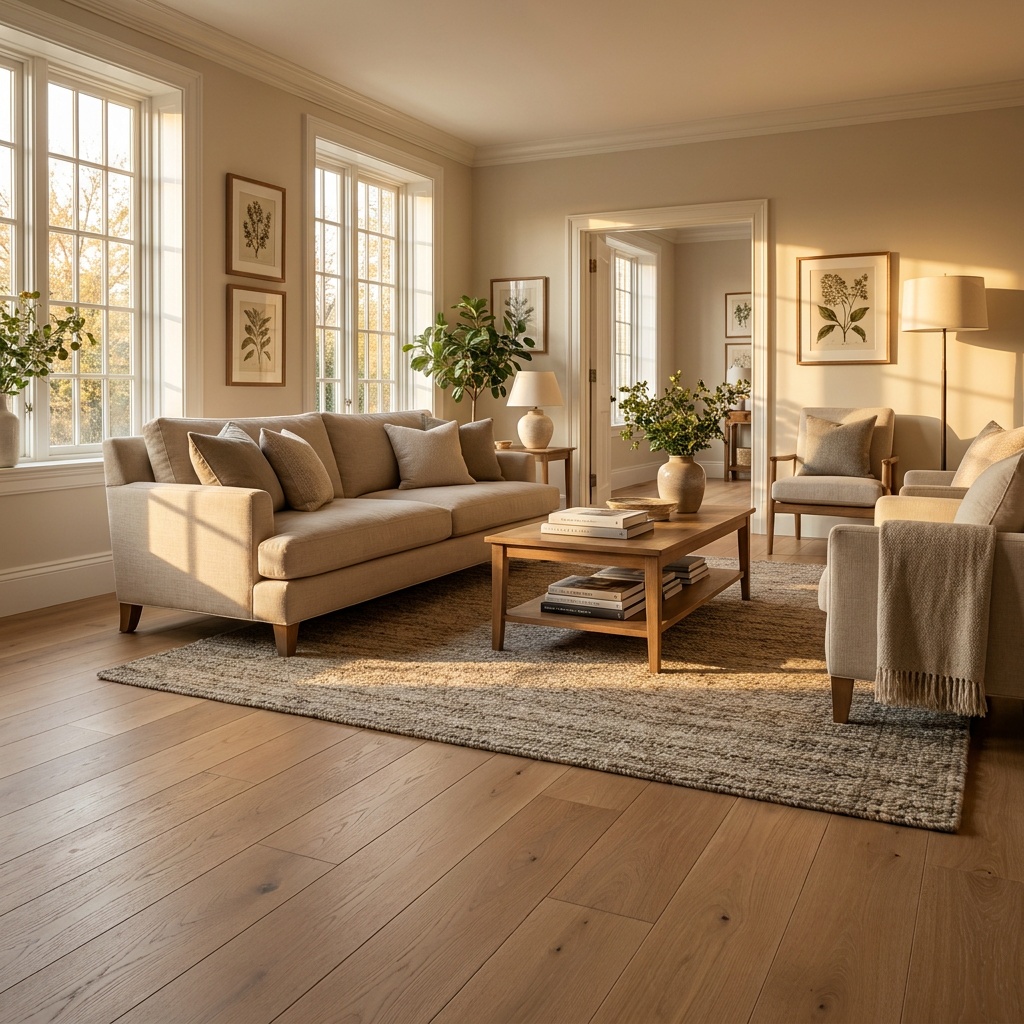
Hardwood has the longest renewal potential of any common residential floor. Unlike laminate, LVP, and carpet, solid wood can often be sanded and refinished when the finish looks worn.
However, wood needs stable indoor conditions. Humidity swings can lead to gaps, cupping, crowning, and finish stress. The NWFA technical guidelines explain why wood moisture and regional climate conditions matter before and after installation.
Solid hardwood offers the most refinishing potential
Solid hardwood commonly lasts 30 to 50 years, and well-cared-for floors can last much longer. Each sanding removes a small amount of wood, so the number of future refinishes depends on board thickness and prior work.
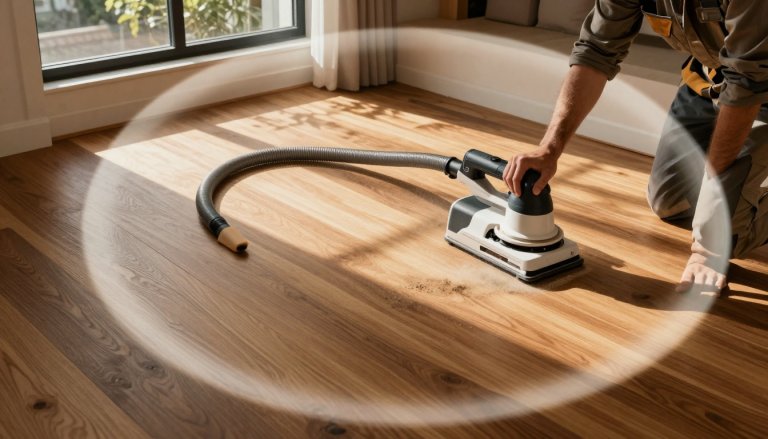
We inspect the boards before recommending a full sand and finish. Deep pet stains, cupping, black water marks, loose boards, and wide seasonal gaps can change the scope. When the wood still has enough material and the damage is mostly surface-level, hardwood floor sanding in Cumming can restore the floor without the disruption of replacement.
Photo by FWStudio
Engineered hardwood depends on its wear layer
Engineered hardwood has a real wood surface over layered backing material. It handles normal household use well, but its refinishing options depend on the thickness of the top veneer.
Some engineered floors can take a light sanding. Others only allow a screen-and-recoat, while thin veneers may need replacement once they wear through. A hardwood floor company in Cumming should identify the product, inspect the edges and joints, and check for delamination before promising a refinish.
A dull finish alone doesn’t call for sanding. If the color remains even and there is no bare wood, a screen and recoat versus refinishing assessment can help you choose the less invasive option.
Luxury vinyl plank holds up well in active homes
LVP and LVT usually last 15 to 25 years in a residential setting. They are popular in Cumming kitchens, hallways, laundry rooms, and finished basements because they handle everyday spills better than wood or laminate.
Still, “waterproof” refers to the flooring product, not every part of the installed system. Water can reach seams, adhesive, trim, or the subfloor. A floor that traps moisture underneath may develop odor, movement, or edge separation.
Wear layers and subfloor preparation set the pace
The printed design layer is protected by a clear wear layer. Once that layer wears through, scratches and dull traffic paths can’t be sanded away. Heavy furniture can also leave permanent dents in softer vinyl products.
When you plan to install new flooring in Cumming, check the subfloor before choosing a plank style. Concrete moisture, dips in the slab, old adhesive, and loose plywood can telegraph through a floating floor. We also measure door clearance, transitions, and stair-nose profiles before installation.
Water-resistant planks do not correct a wet subfloor. Moisture below the flooring can still cause movement, odor, and bond failure.
For homeowners comparing product styles and installation approaches in nearby communities, our Suwanee flooring options include hardwood, tile, vinyl, laminate, and more.
Tile lasts longest when the base stays stable
Ceramic and porcelain tile can remain in service for 50 years or more. Tile itself is hard, moisture-tolerant, and resistant to surface wear. Yet a tile floor is only as strong as the surface beneath it.
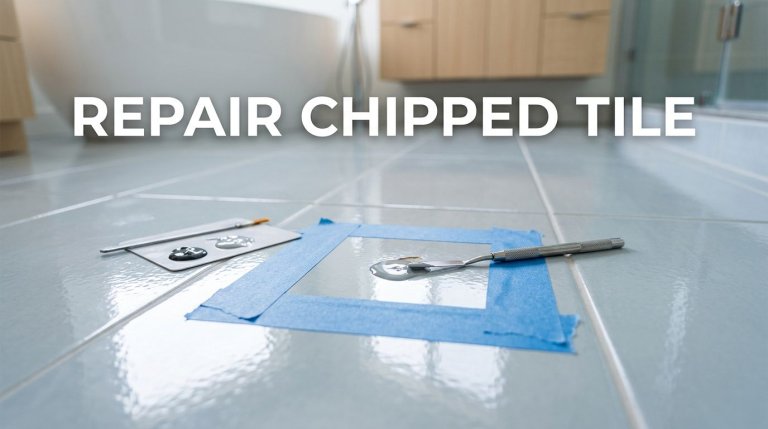
Cracked grout, hollow-sounding tiles, or repeating cracks across a room often point to movement in the subfloor or inadequate preparation. Replacing a loose tile may solve a small isolated problem. A pattern of damage needs a closer look.
Grout and substrate failures matter more than surface wear
Porcelain is especially useful in bathrooms, entries, laundry rooms, and kitchens. It also works well around pets because it doesn’t absorb odors the way carpet can.
A kitchen remodeling company in Cumming should plan tile thickness, cabinet height, appliance clearance, and floor transitions before setting the first tile. Tile installed after cabinetry creates a different layout than tile installed underneath it. Both approaches can work, but the decision needs to be intentional.
If you are searching for a bathroom remodeling contractor near me, ask how the contractor handles waterproofing, shower pans, tile backer, and subfloor repairs. Attractive tile cannot compensate for a weak shower system or a moving floor.
Laminate and carpet have shorter replacement cycles
Laminate and carpet can make sense for the right rooms and budgets. Their shorter expected life doesn’t make them poor choices. It means you should choose them with a realistic maintenance plan and replacement timeline.
Laminate performs best in dry, low-spill spaces
Laminate commonly lasts 10 to 25 years. Its photographic surface can resemble wood, stone, or tile, and modern products resist routine scuffs better than older laminates.
Water is laminate’s main weak point. A wet mop, dishwasher leak, pet accident left overnight, or flooded toilet can swell the fiberboard core. Once edges puff up or joints peak, the damaged boards usually need replacement.
Use protective pads under furniture, sweep grit often, and wipe spills quickly. Avoid steam mops unless the manufacturer expressly approves them. Laminate fits bedrooms, offices, and living areas better than bathrooms with frequent moisture exposure.
Carpet needs routine cleaning to avoid early wear
Carpet generally lasts five to 15 years. Dense nylon carpet often handles traffic better than lower-grade products, although padding, pets, and cleaning habits also have a major effect.
Embedded soil cuts and crushes fibers over time. The Carpet and Rug Institute recommends professional deep cleaning every 12 to 18 months. It also recommends a traffic-based vacuuming schedule because pet areas and busy paths need more frequent attention.
Persistent odor, flattened traffic lanes, seam separation, and wet padding are stronger replacement signals than a few ordinary spots. In bedrooms, carpet can still be a comfortable choice when you want warmth and quieter footsteps.
Match the flooring to each room’s demands
Choosing the longest-lasting material is not always the best decision. A bathroom floor and a formal dining room face different risks, so their priorities should differ.
Kitchens, baths, and laundry rooms need moisture planning
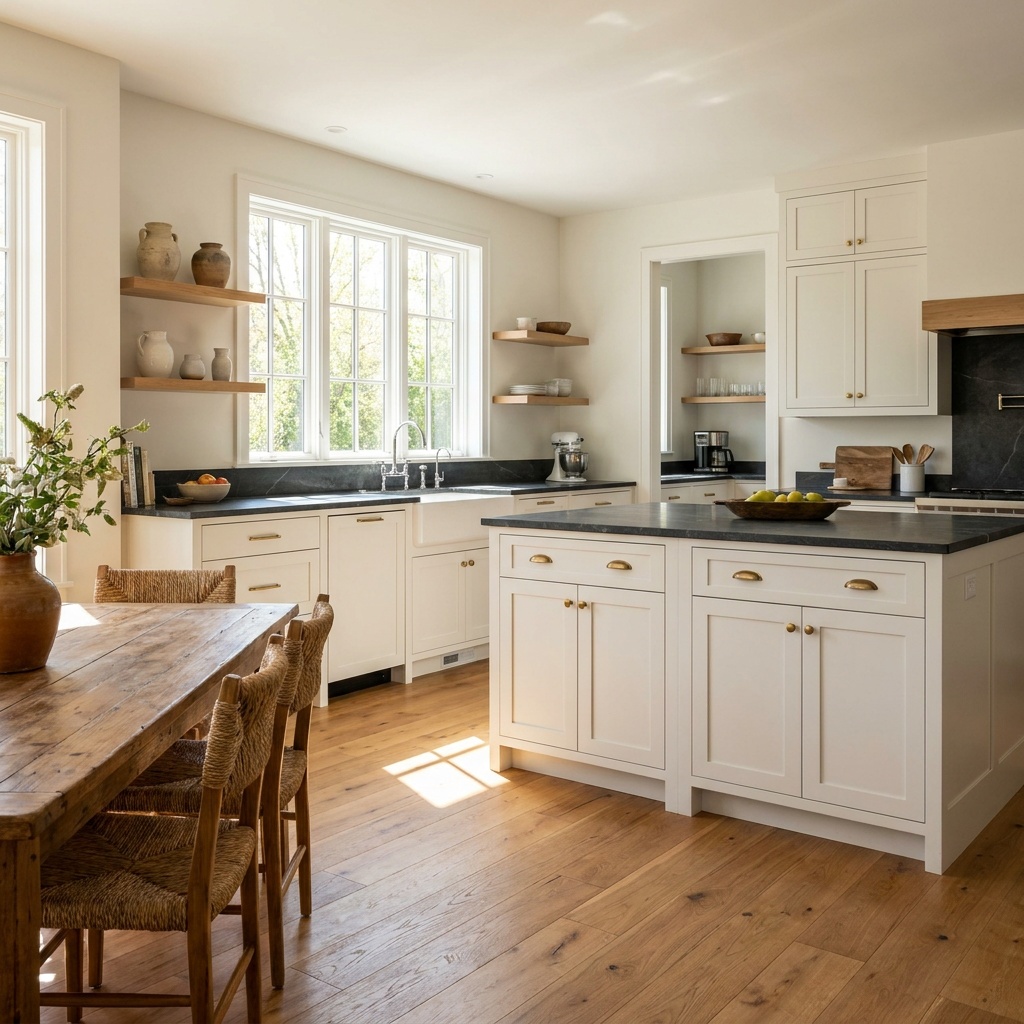
Porcelain tile is a proven choice for wet spaces, while LVP can work well when the subfloor is dry and level. Hardwood adds warmth to an open kitchen but needs quick spill cleanup and a durable finish.
When you work with a kitchen and bathroom remodeling company in Cumming, GA, coordinate flooring with cabinets, countertops, plumbing, and appliances. Floor height affects dishwasher clearance, toe-kick lines, baseboards, and transitions into adjoining rooms. Our countertop and cabinetry services can help keep those finishes in proportion.
Bathrooms deserve closer attention because leaking fixtures and shower failures often damage the floor below the visible surface. Tile and natural stone require properly built waterproofing systems, not simply grout and caulk.
Bedrooms, living areas, and basements allow more flexibility
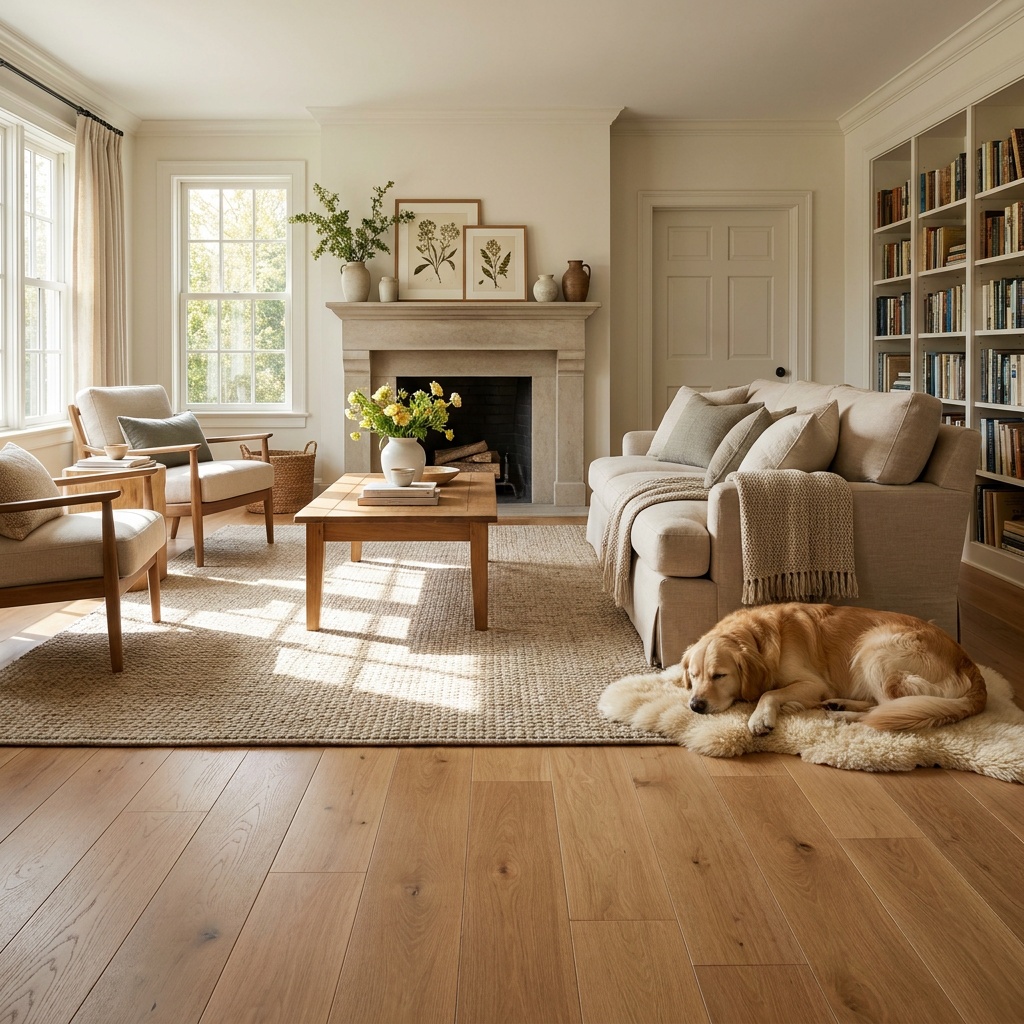
Hardwood, engineered wood, laminate, LVP, and carpet can all work in dry living spaces. Your household routine should guide the selection. Pets and children often favor durable, easy-clean surfaces. Carpet may still be preferable for upstairs bedrooms where noise control matters.
A search for a basement finishing company near me should lead to questions about slab moisture, insulation, drainage, and ceiling height before flooring samples enter the conversation. LVP and tile are usually safer below grade than solid hardwood.
Stairs deserve their own material plan. Hardwood treads can be refinished, carpet reduces noise, and vinyl stair caps require careful fit. Loose stair-nose pieces are a safety problem, not a cosmetic detail.
Maintenance habits that extend flooring lifespan
Most flooring failures don’t begin with a dramatic event. They start with tracked-in grit, slow leaks, neglected grout, or humidity that stays outside a comfortable range for months.
Control water and indoor humidity
Wood floors move as the air gains or loses moisture. In our experience, keeping indoor relative humidity around 35 to 55 percent helps reduce seasonal gaps and cupping. Use exhaust fans in bathrooms, repair plumbing leaks promptly, and place mats inside exterior doors.
The NWFA technical standards are a useful reference when comparing wood products and installation expectations. Before any hardwood installation, we check the moisture condition of the wood and subfloor rather than assuming the room is ready.
Tile can tolerate water, but grout cracks and failing caulk can still let moisture reach the framing or subfloor. Likewise, LVP may resist a spilled drink while the underlying material remains vulnerable to trapped water.
Remove abrasive grit before it damages finishes
Sand and small stones act like sandpaper beneath shoes and furniture. Vacuuming, sweeping, and using washable walk-off mats prevent much of that wear.
We recommend felt pads under chair legs, wide floor protectors under heavy furniture, and quick spill cleanup for every material. Avoid harsh cleaners, abrasive scrubbers, wax products on vinyl, and excessive water on wood or laminate.
Your flooring lifespan also improves when you address small repairs early. Replacing one cracked tile, securing a loose plank, or repairing a leaking appliance line costs less than opening a damaged subfloor later.
Coordinate flooring with larger remodeling work
Flooring often touches every part of a renovation. Installing it at the wrong time can create damaged surfaces, height problems, and extra labor.
Set floor height before cabinets and fixtures
A remodeling company in Cumming should confirm where flooring starts and stops before demolition. In some projects, flooring goes under new cabinets. In others, it ends at the cabinet toe kick. The decision affects material quantities, appliance clearance, and future layout changes.
For a bathroom renovation, tile thickness may affect toilet flange height and shower entry details. For a kitchen, a thicker wood or tile floor can affect range and dishwasher clearances. We map these transitions before ordering materials.
Homeowners near Windermere should look for a hardwood floor company serving Windermere that can also handle transitions, stair work, and adjacent-room repairs. A new floor looks unfinished when thresholds, baseboards, and stair noses receive little attention.
Decide whether existing wood deserves restoration
During a kitchen or bath project, it is tempting to replace every visible surface. Yet original hardwood may have decades of life left under a worn finish. We inspect for board thickness, stains, movement, and water damage before making that call.
A hardwood floor sanding company in Cumming should explain when wood can be restored and when replacement is the more responsible choice. Refinishing may also make sense after cabinet work, once the dust-producing work is complete and paint touch-ups are finished.
Get an estimate based on the floor beneath the surface
A room measurement alone does not reveal what a flooring project needs. Accurate pricing depends on subfloor condition, tear-out, moisture testing, furniture movement, trim work, repairs, and material transitions.
Compare written scopes, not only the total price
Ask each contractor to state the flooring product, preparation work, underlayment, removal, disposal, trim, stairs, and finish system. A lower quote can leave out subfloor repairs or transition details that later appear as change orders.
Our flooring installation contract checklist explains the details worth reviewing before you sign. For hardwood work, the proposal should also state whether it includes a recoat or a full sand-and-refinish process.
Call (770) 906-4732 for a free estimate. If you show us an existing written quote from another contractor for the same documented scope, we will do the job at 5% less.
For a Suwanee kitchen, bathroom, or whole-home project, you can also schedule a remodeling consultation.
A floor’s condition matters more than its age
The best flooring lifespan plan starts with an honest inspection. Solid hardwood may deserve refinishing, while swollen laminate, failed carpet padding, or a cracked tile substrate may call for replacement.
Choose the material that fits the room, protect it from moisture and grit, and plan the installation around the rest of the renovation. With the right preparation, your next floor can look good and perform well for many years.