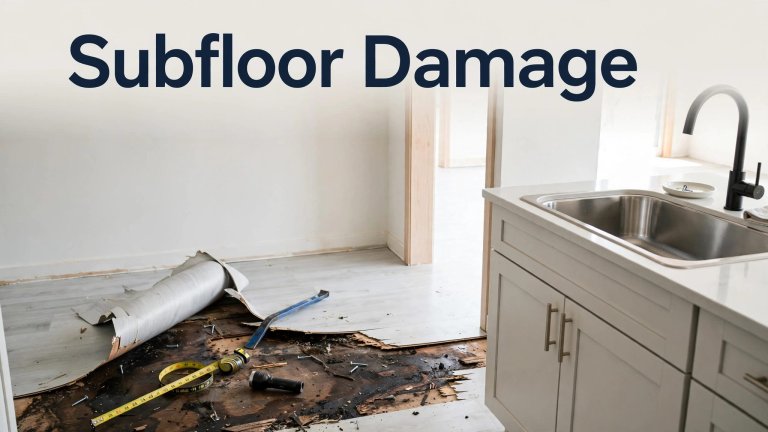
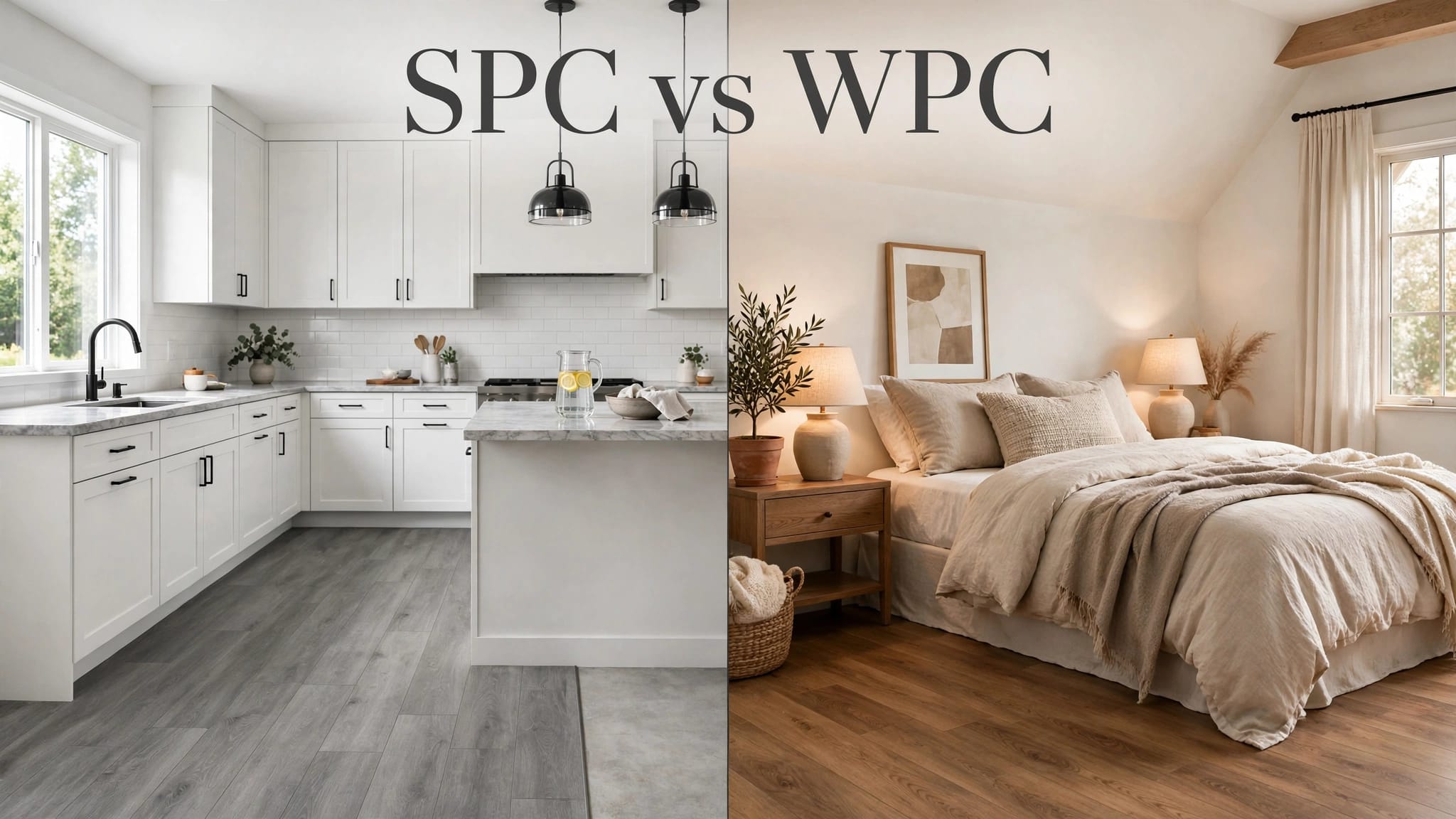
SPC vs WPC LVP for Cumming Homes: How to Choose
A beautiful vinyl floor can still disappoint if its core doesn’t suit the room beneath it. The choice between these floors involves more than color, plank width, or a waterproof label.
For Cumming homeowners, daily traffic, concrete slabs, pets, children, upstairs noise, and renovation timing all shape the right choice. We compare durability, waterproofing, comfort, sound, installation, maintenance, subfloors, cost, and overall value in real rooms, not just under showroom lights.
Key Takeaways
- SPC flooring suits kitchens, entries, active family rooms, concrete slabs, and homes where dent resistance and temperature stability matter most.
- WPC flooring offers a softer, warmer feel and can reduce the sharp sound of footsteps in bedrooms and upstairs living areas.
- Both SPC and WPC can resist everyday spills, but waterproof planks do not replace moisture testing, leak repairs, or proper subfloor preparation.
- The best choice depends on room use, wear layer, subfloor condition, sound and comfort goals, installation requirements, and total installed cost.
- Plan flooring alongside cabinets, appliances, stairs, transitions, and other renovation work to protect the finished result.
The Core Difference Between SPC and WPC
Both products are luxury vinyl plank floors and types of rigid core vinyl flooring. Each has a decorative film, protective wear layer, rigid core, and backing or attached pad. They often use click-lock installation and can handle everyday spills. However, their cores behave differently under weight, movement, and foot traffic.
SPC has a dense mineral-based core
SPC means stone polymer composite. Its core typically combines limestone powder, PVC, and stabilizers into a dense, hard plank.
That density gives SPC flooring strong dent resistance around furniture legs, rolling toys, and busy kitchen traffic. It also provides temperature stability as indoor conditions change. For a sunlit room or basement over concrete, those traits can make SPC the safer pick.
Temperature stability doesn’t eliminate movement, though. Slab condition, expansion space, and product instructions still matter.
SPC can feel firm underfoot. If comfort is your top priority, a quality attached pad and area rugs matter more with this material.
WPC uses a thicker, softer core
WPC means wood polymer composite. Its core uses a polymer base with wood fibers or wood flour and a foaming agent. The result is usually thicker and more cushioned than SPC.
When you walk across it, the softer core tends to feel warmer and less rigid. Homeowners who prioritize underfoot comfort may prefer it in bedrooms, living rooms, and upper-level hallways.
The trade-off is lower resistance to dents. A heavy refrigerator, concentrated furniture foot, or large aquarium needs broad protective pads regardless of which plank you choose.
The core protects against movement and indentation. The wear layer protects the printed surface from scratches, scuffs, and stains. One cannot replace the other.
Where SPC Flooring Makes More Sense
SPC is often the practical choice when a floor must handle pressure, traffic, and occasional moisture. Its dent resistance and stable joints help manage furniture pressure in residential flooring. Similar concerns can arise in some commercial spaces.
Kitchens, entries, and active family rooms
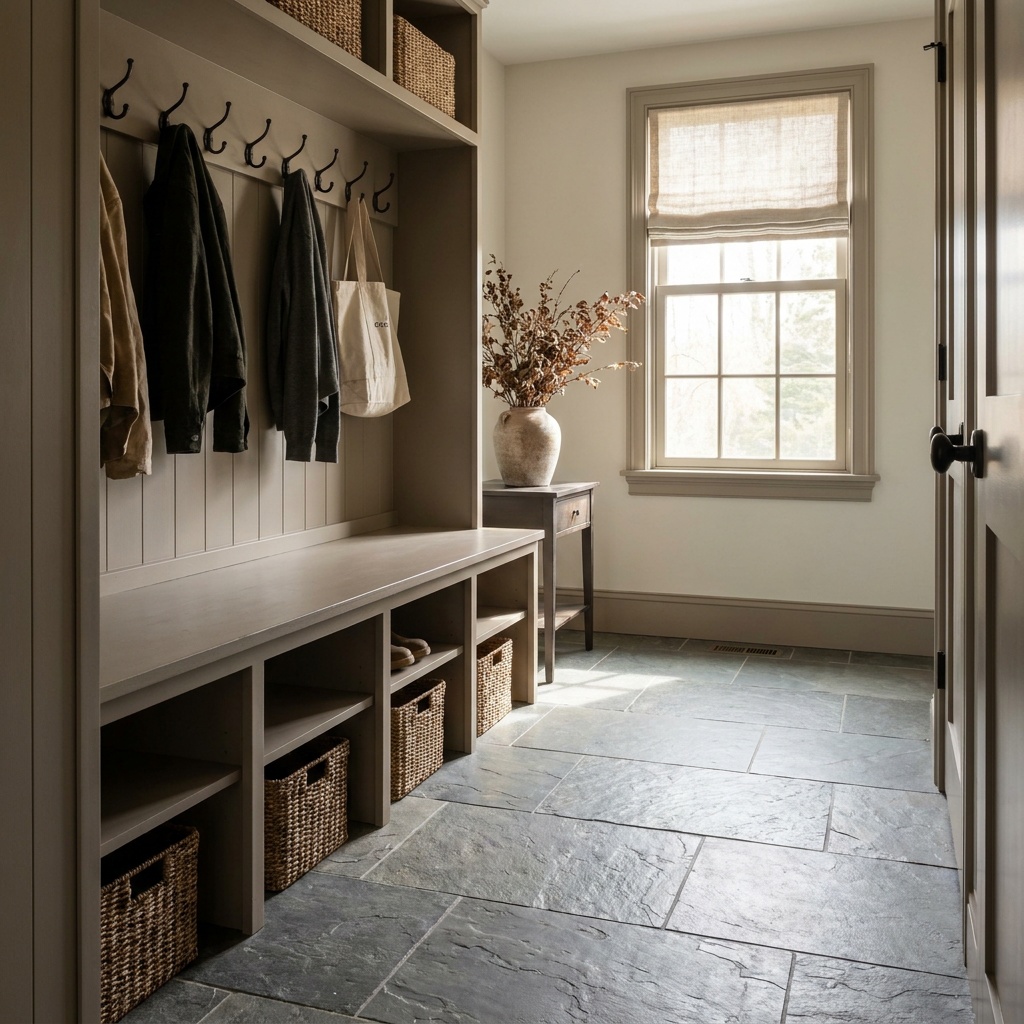
Kitchens, entries, and active family rooms are high traffic areas where chairs slide, groceries drop, and appliances create concentrated weight. A kitchen remodeling company in Cumming should plan the flooring around cabinet installation, appliance clearances, and transitions to nearby rooms.
SPC’s rigid core works well in these demanding spaces, offering dent resistance and stable joints under furniture pressure. We still recommend felt pads under chairs and furniture, since surface scratches can happen on any LVP.
Homeowners planning to luxury vinyl tile installation in Cumming often choose SPC flooring for connected kitchen, dining, and living spaces. One continuous material reduces visual breaks when the subfloor and transitions are properly planned.
Concrete slabs and temperature swings
Many Cumming homes have slab foundations, basement slabs, or additions with different conditions than the main house. SPC’s dimensional stability makes it a strong option over properly prepared concrete. Its temperature stability also suits sunlit rooms, basements, and spaces with seasonal indoor changes.
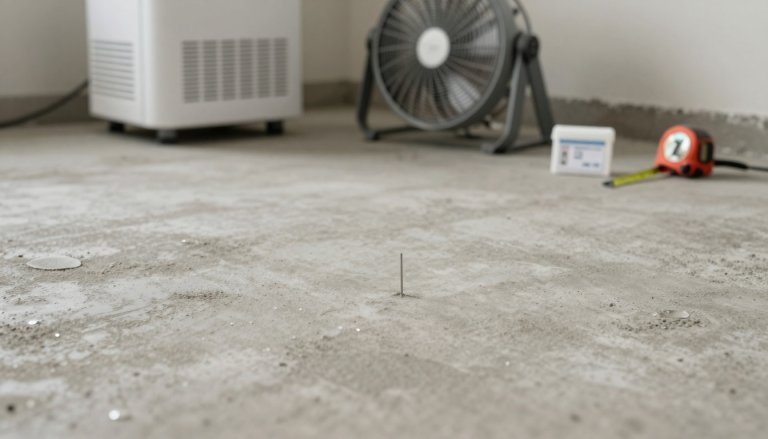
Waterproof flooring is not a concrete moisture barrier. Concrete moisture can still affect adhesives, trim, underlayment, and air quality beneath a floating floor. Moisture testing and a vapor barrier where required remain important, along with manufacturer instructions, including CALI’s SPC installation guidance.
Before installation, we check the slab, test moisture when conditions call for it, and follow the product’s written requirements. A floor can only perform as well as the surface below it.
When WPC Flooring Is the Better Fit
WPC earns its place where sound control and comfort matter more than maximum rigidity. Its softer core can provide some sound absorption, soften footfalls, and make a room feel less echo-prone and more comfortable.
Bedrooms and upstairs living areas
Bedrooms don’t usually face the impact load of an entry or kitchen. WPC can feel pleasant in these lower-impact rooms, particularly when you want quieter steps between bedrooms and an upstairs hall.
Acoustic performance depends on the entire floor-and-ceiling assembly, including furnishings, subfloor type, ceiling construction, and underlayment. Cork backing can help when the product or assembly allows it. An attached underlayment may limit additional padding, and it won’t turn an upper floor into a soundproof ceiling.
For homes with a dedicated media room, nursery, or home office upstairs, WPC can reduce the sharp click of footsteps. We also recommend discussing underlayment restrictions before adding anything beneath a plank with a factory-attached pad.
Small subfloor imperfections
WPC’s thicker, slightly softer construction can disguise very minor texture better than a thin rigid plank. It doesn’t correct dips, ridges, loose plywood, or structural movement.
Armstrong’s rigid-core installation advice notes that sturdy planks with attached cork can work over minor irregularities. Still, every manufacturer gives its own flatness limits, and those limits control the warranty.
If a long straightedge rocks across the floor, the problem needs attention before planks go down. WPC may be forgiving, but it can’t carry a floating floor across a serious low spot.
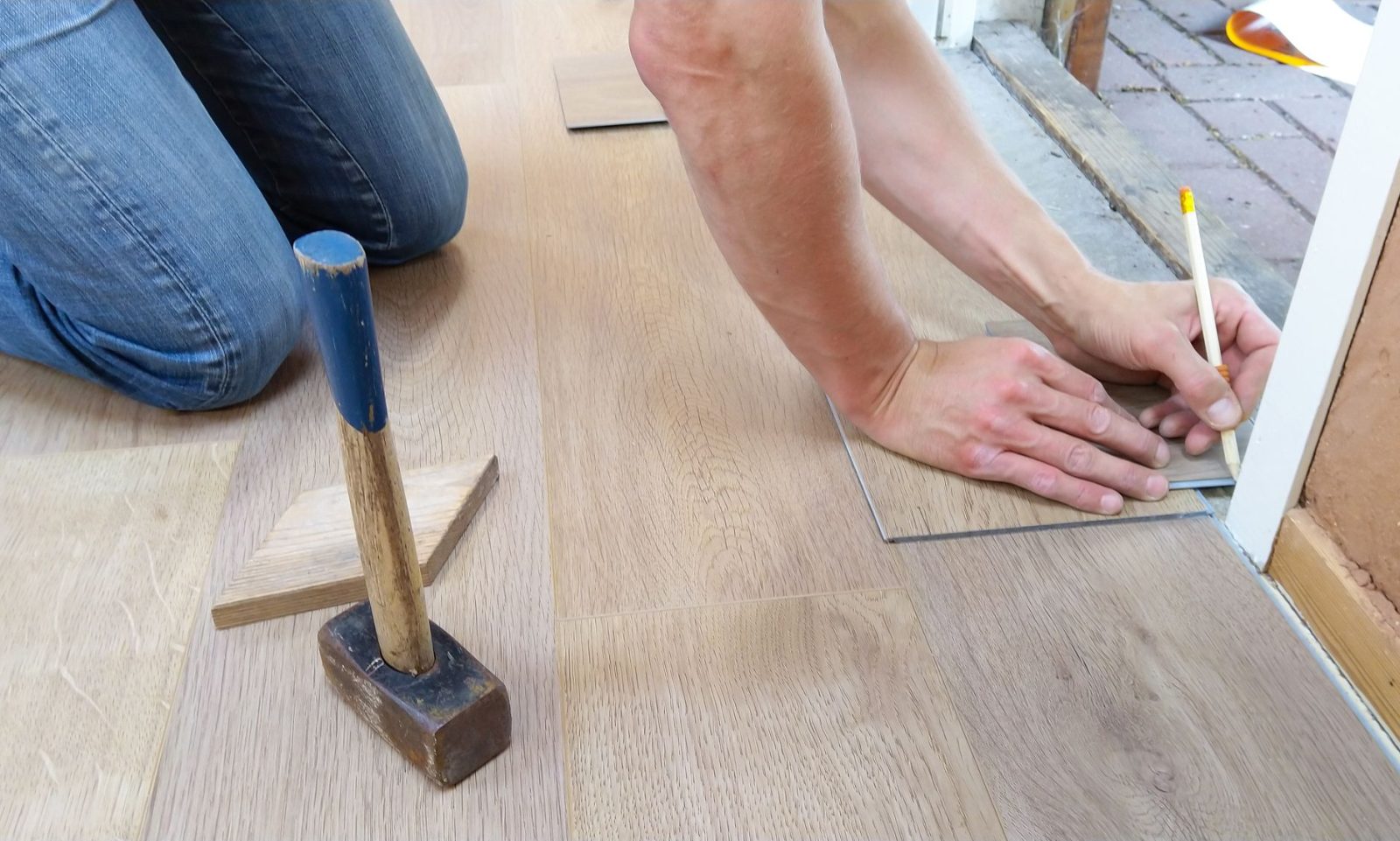
Photo by ClickerHappy
Waterproof Does Not Mean Maintenance-Free
Both SPC and WPC products may be sold as waterproof flooring, but seams, perimeter gaps, trim, appliances, and subfloors can still suffer from prolonged water exposure.
In ordinary use, the plank resists damage from spills, wet shoes, and pet accidents. That moisture resistance applies to the finished plank, not to concrete or wood beneath it.
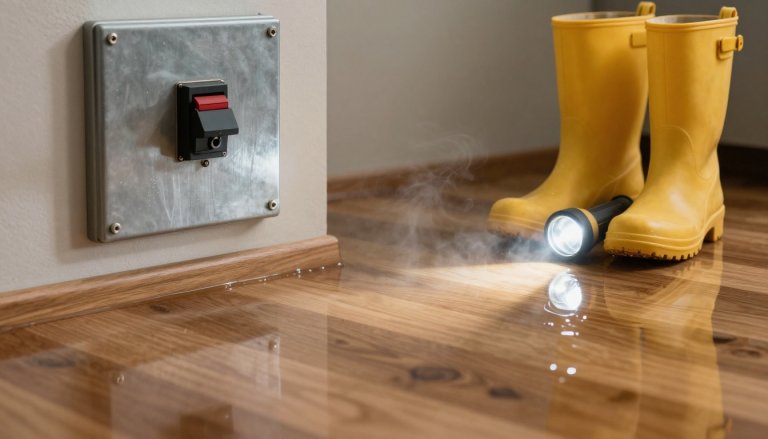
Water should not sit indefinitely at seams, under baseboards, or beneath appliances. A dishwasher leak can travel under a floating floor, where it may cause odors or affect the subfloor.
Handle spills and leaks promptly
Wipe spills soon, especially around a refrigerator, tub, exterior door, or pet bowl. Use a manufacturer-approved cleaner instead of steam cleaners, abrasive powders, or wax products.
In a bathroom, keep water from repeatedly entering the expansion gap at the perimeter. Plan caulk details, toilet removal, and transition strips before installation. Cumming Floors & Remodeling can help coordinate bathroom flooring, fixtures, transitions, and waterproofing as connected decisions.
Plan basements around the slab
A finished basement can be an excellent place for SPC flooring. However, waterproof flooring should go in only after the slab is dry, the room is conditioned, and water-entry issues are repaired.
For a floating installation, wait until moisture conditions are suitable. A basement finishing company should inspect for cracks, prior seepage, and humidity concerns before selecting the floor.
We don’t cover an active moisture problem with vinyl and call it solved.
Subfloor Preparation Decides the Outcome
The most expensive plank can still click, flex, or separate when the subfloor isn’t flat, clean, and sound. Rigid SPC reveals high spots quickly and can strain locking edges, while WPC offers limited forgiveness. Neither product can compensate for structural movement, and waterproof flooring still depends on a properly prepared surface.
Follow the plank’s published flatness limit
Many LVP products call for a floor that is flat within 3/16 inch over 10 feet, while others use a different measurement. Treat that figure as an example, not a universal rule, and follow the selected product’s written limits.
We use a long straightedge to locate humps and depressions. Then we patch low areas with compatible leveling material, grind high spots when appropriate, secure loose panels, and remove debris.
Manufacturer instructions also explain approved underlayments, expansion gaps, and layout direction. Armstrong’s subfloor preparation FAQ offers useful general guidance and a reminder that installation questions should be answered before planks arrive.
Protect floating-floor movement
During a floating installation, SPC and WPC need room to expand around walls, cabinets, pipes, and fixed objects. Baseboard or shoe molding covers the perimeter gap without pinning the floor.
Avoid installing a floating floor under permanently fixed cabinetry unless the product instructions allow it. Heavy islands, built-ins, and improperly placed transitions can restrict movement, so the product’s installation method and manufacturer instructions control. That restriction can cause lifted joints even when the planks are waterproof.
Wear Layer, Scratches, and Real Costs
A thicker wear layer usually gives more protection against routine scuffs and surface wear. Residential choices often include 12 mil or 20 mil wear layer ratings. Heavier ratings may suit commercial spaces, but they aren’t automatically necessary for every Cumming home.
Compare the full plank, not one number
Don’t judge a plank by one number alone. Compare the manufacturer’s warranty, core thickness, locking system, backing, attached pad, texture, edge profile, and replacement availability.
The ASTM resilient flooring standards cover properties such as abrasion, puncture, impact resistance, thickness, and heat stability. These categories explain why two planks with similar colors can perform quite differently.
For homes with pets, consider scratch resistance alongside a realistic texture and finish. Deep hand-scraped textures can catch dirt, while glossy floors show every scratch. Mid-tone matte planks usually hide daily wear better, while a worn floor finish can affect perceived value.
Budget for preparation and trim
Material price is only one part of a residential flooring project. Tear-out, floor leveling, moisture protection, baseboards, transitions, stair work, furniture moving, and repair risk can change the total installed cost.
When comparing SPC vs WPC LVP, ask Cumming Floors & Remodeling for an installed-system estimate. A less expensive plank can cost more if the subfloor needs extensive repair.
If indoor air quality is a concern, ask about FloorScore certification, which evaluates low-VOC hard-surface flooring and related products. Treat it as an informational resource, not a performance guarantee. Keep packaging, product names, and installation documents for future repairs or warranty needs.
Matching Flooring to a Larger Renovation
Flooring decisions often affect projects beyond one room. A remodeling company in Cumming can help coordinate installation around cabinets, tile, paint, and stairs.
Hardwood and LVP can work together
As a hardwood floor company in Cumming, we often see homeowners preserve hardwood in formal rooms and use SPC or WPC in kitchens, laundry rooms, or basements. We can also match transition heights where new LVP meets existing oak.
If your current wood floor has good thickness and sound boards, refinishing may offer better value than replacing it. A hardwood floor sanding company in Cumming can assess whether scratches, worn finish, gaps, or staining are repairable.
For new wood, review hardwood installation options before assuming vinyl is the only practical answer. The right material depends on the room’s use and the home’s existing details.
Sequence kitchen, bath, and basement work
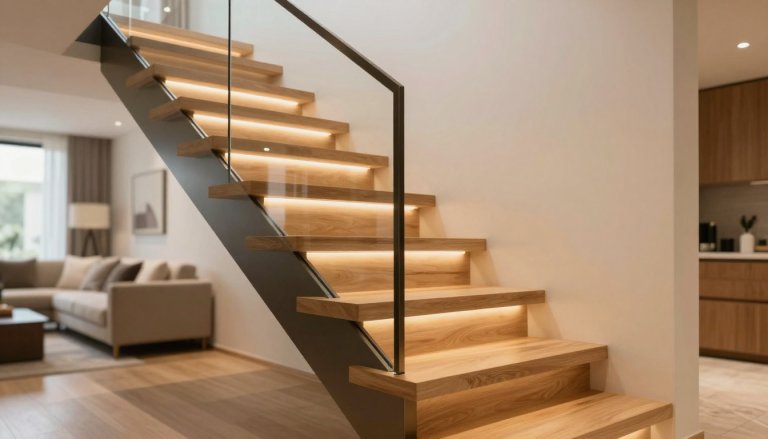
A kitchen and bathroom remodeling company in Cumming, GA should settle cabinet layouts and plumbing changes before taking final flooring measurements. Stair treads, newel posts, and risers also need early decisions because their materials may not match a floating vinyl floor.
We coordinate floor timing with drywall and painting, so dust, moisture, and heavy trade traffic don’t damage finished planks. Before ordering, confirm product availability, stair compatibility, and transition details.
Order samples first, then view them in morning light, evening light, and beside permanent finishes.
Frequently Asked Questions
Which is better for Cumming homes, SPC or WPC?
SPC is usually the better fit for high-traffic rooms, concrete slabs, pets, children, and areas where dent resistance matters. WPC may be preferable in bedrooms and upstairs rooms when comfort and quieter footfalls are higher priorities.
Is SPC or WPC flooring truly waterproof?
The plank itself may resist damage from spills, wet shoes, and pet accidents, but waterproof flooring does not make the subfloor or surrounding construction waterproof. Leaks should be repaired promptly, and concrete moisture, perimeter gaps, trim, and appliance areas still need attention.
Can SPC or WPC be installed over concrete?
Both may be installed over properly prepared concrete when the selected product allows it. The slab must be clean, flat, sound, and dry enough for the manufacturer’s requirements, with moisture testing and vapor protection where required.
Does WPC hide subfloor imperfections better than SPC?
WPC’s thicker, softer construction may disguise very minor texture better than a thin rigid plank. Neither material can correct dips, ridges, loose panels, or structural movement, so serious irregularities must be repaired before installation.
Which flooring costs less to install?
Material price alone does not determine the installed cost. Tear-out, leveling, moisture protection, trim, transitions, stair work, furniture moving, and repair needs can make a less expensive plank cost more overall.
A Better Floor Choice Starts With the Room
SPC flooring suits demanding traffic, concrete slabs, pets, children, and homes where dents are a concern. WPC flooring fits bedrooms and upper levels when homeowners prioritize comfort and quieter footfall.
The best SPC vs WPC LVP choice considers the product, wear layer, subfloor, room use, installation requirements, maintenance expectations, and total installed cost. Even with waterproof flooring, plank water resistance doesn’t replace moisture testing, sound subfloor conditions, proper installation, or prompt leak repairs. That fit keeps the floor from becoming the weak link in an otherwise thoughtful renovation.
For a free in-home estimate, call us at (770) 906-4732. At Cumming Floors & Remodeling, we’ll review the room, subfloor, transitions, pets, children, and renovation scope with you.