
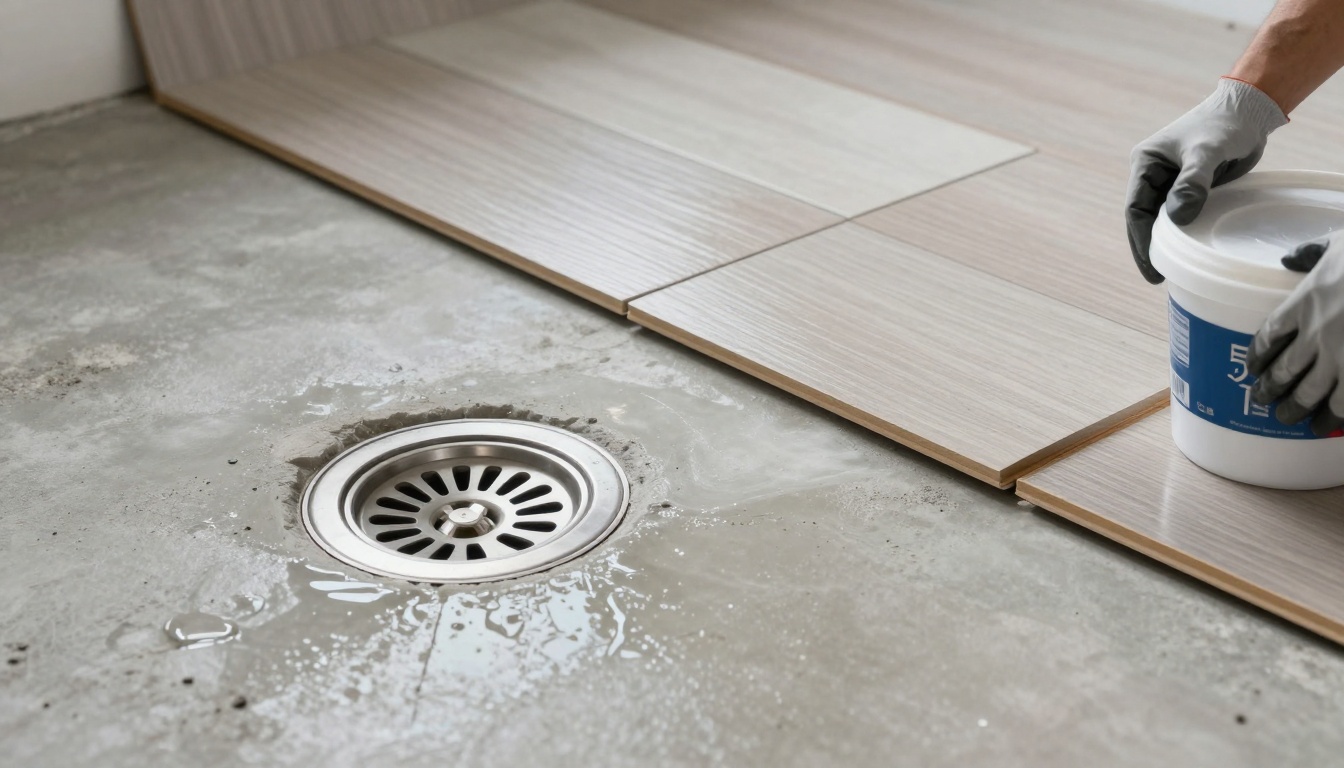
Basement Floor Drain Backup, Flooring Choices That Survive Sewage Cleanup and Replacement
A basement floor drain backup can turn a normal day into a fast-moving mess. One minute the floor looks fine, the next there’s foul water spreading into storage boxes, baseboards, and whatever flooring was unlucky enough to be down there.
Once the cleanup is done, the bigger question hits: what do we put back so we’re not ripping it out again next time? We’re going to walk through the first moves that protect our home, then the flooring choices that handle sewage cleanup, and finally how to rebuild a basement floor system that’s tougher than the last one.
What to do right away when the floor drain backs up
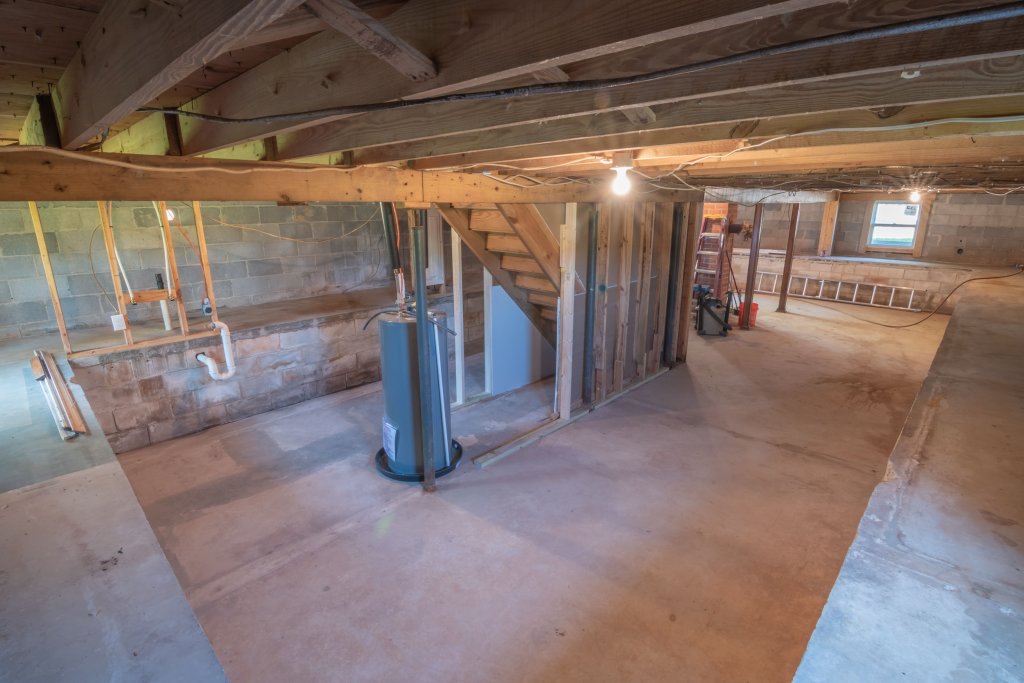 Photo by Curtis Adams
When sewage or drain water comes up through a basement drain, we treat it like contaminated water, because it is. Even a “small” backup can carry bacteria and spread it farther than we think.
First, we protect people and prevent more flow. If water is still rising, we stop using sinks, toilets, dishwashers, and washing machines. If a fixture is overflowing, we shut off the water to the home. We also keep kids and pets out of the basement, and we don’t run fans that could blow contaminants around.
Next, we protect against electrical hazards. If water is near outlets, cords, or appliances, we don’t step into standing water to unplug anything. Public safety agencies stress electrocution risk during sewer backups, and that’s a good reminder to slow down and make safe choices, even when we’re stressed (see sewer backup cleanup safety warnings).
Then we document everything. We take photos, write down what happened, and call a plumber to address the cause (clog, root intrusion, overloaded sewer, or failed backflow protection). If backups are a repeat issue in the neighborhood, we can also reduce risk by plugging or sealing vulnerable drains during heavy rain events, as described in NDSU’s guidance on plugging drains to prevent sewage backup.
Once the source is controlled, we can talk about what to remove and what can be saved.
Flooring after sewage, what survives cleanup and what usually doesn’t
After a backup, we’re not just dealing with “water.” Sewage has solids, salts, and microbes, and it can soak into tiny gaps. The rule we follow is simple: porous materials usually have to go, because they can hold contamination even after surface cleaning.
That means carpet and pad are almost always a full removal. Many laminate floors fail too, since swelling at the seams doesn’t reverse. Traditional hardwood is also a risky bet in a basement after a sewage event. Even if it dries, boards can cup, stains can set, and odors can linger in seams.
Non-porous surfaces do better, as long as they were installed with the right setting materials and the subfloor didn’t trap contamination. Here’s a practical comparison we use with homeowners:
| Flooring choice | How it handles sewage cleanup | Typical outcome after a backup |
|---|---|---|
| Sealed concrete | No seams, easy to disinfect | Often cleanable, may need reseal |
| Porcelain tile (with epoxy grout if possible) | Very water-resistant surface | Often salvageable, grout may need deep cleaning |
| Luxury vinyl plank (LVP) | Water-resistant product, many seams | Sometimes salvageable, depends on subfloor contamination |
| Sheet vinyl | Few seams, easy wipe-down | Often salvageable if edges didn’t lift |
| Laminate | Core swells when wet | Usually replacement |
| Carpet | Absorbs contaminants | Always removal and replacement |
| Solid hardwood | Moves with moisture, many gaps | Usually replacement in basements |
If we want a wood look without the stress, LVP is a common choice for basements because it can handle moisture better than wood. For homeowners considering that route, our overview of luxury vinyl plank flooring options explains why it’s often the better fit downstairs.
One caution: “waterproof flooring” doesn’t mean “everything under it stays clean.” A floor can look fine on top while the underlayment and concrete seam lines hold odor. That’s why the rebuild details matter as much as the surface material.
Rebuilding after a backup, the system matters more than the product
Replacing flooring after a basement floor drain backup is like repainting over a leak stain. If we don’t fix what caused the damage and rebuild the layers correctly, the next event becomes a repeat performance.
Start with the cause and a prevention plan
We coordinate with plumbing to confirm the drain line is clear and scoped if needed. In some homes, a backwater valve or other backflow protection can reduce risk. We also look at downspouts, grading, and sump systems, because heavy rain often exposes weak drainage fast.
Treat the slab and layers like a “floor sandwich”
Basements punish bad details. We focus on three things before we install finish flooring:
- Sanitation and odor control: Everything contaminated gets removed, then the slab gets cleaned and disinfected properly.
- Moisture testing: Concrete can hold moisture long after it “looks dry.”
- Underlayment and vapor control: The right barrier helps keep future vapor from feeding mold or warping boards.
If we’re installing engineered wood or building a warmer basement feel, underlayment is not optional. Our guide on basement hardwood underlayment options explains how vapor control and installation method work together.
Decide what we can refinish vs replace
Homeowners often ask if sanding can save a wood floor after a backup. In basements, we’re cautious. If boards absorbed contaminated water, replacement is usually the cleanest long-term answer. If the issue was localized and the structure stayed dry, we may be able to repair and refinish, but only after moisture conditions are stable. That’s the same standard we use as a hardwood floor sanding company Cumming homeowners rely on for honest answers, not wishful thinking.
When replacement is the right move, we help families install new flooring Cumming homes can live with, even when life gets messy. As a hardwood floor company Cumming homeowners trust, and a hardwood floor company servicing Windermere, we also coordinate upgrades beyond the basement. Many clients use the “forced reset” after a backup to tackle a laundry room, mudroom, or even a full bath.
If the backup touched a bathroom or we’re already opening walls, it can be smart to bundle work. Our remodeling company in Cumming team handles flooring and tile work, and we also take on full bath projects through our Cumming bathroom remodeling services. For homeowners planning bigger changes, we can also act as a kitchen remodeling company Cumming families call when they want floors and cabinets to match, or as a kitchen and bathroom remodeling company Cumming Ga homeowners choose for a single, clear scope.
For free estimates, call (770) 906-4732. If you show us any existing quote from another contractor, we’ll do it at 5% less, line by line, so the comparison stays fair.
Conclusion
A basement floor drain backup is ugly, but it can also be a turning point. When we handle safety first, remove what can’t be cleaned, and rebuild the floor as a system, we get a basement that feels usable again. If you’re staring at damaged flooring and wondering what’s worth saving, call (770) 906-4732 for a free estimate, and remember, we’ll beat any written contractor quote by 5% less.