Playroom Flooring Cumming Families Can Choose
A playroom floor has to handle more than toys. It takes spills, bare feet, rolling chairs, dropped blocks, pets, and the loud energy of a rainy Saturday indoors.
For playroom flooring Cumming families can live with for years, comfort and cleanup matter as much as color. Many Forsyth County homes have concrete slabs or finished basements, so moisture and subfloor conditions deserve early attention. We recommend starting with the room’s real use, then matching the material to your home’s slab, traffic level, and long-term plans. A project manager can help match the finished floor and play surface to that use.
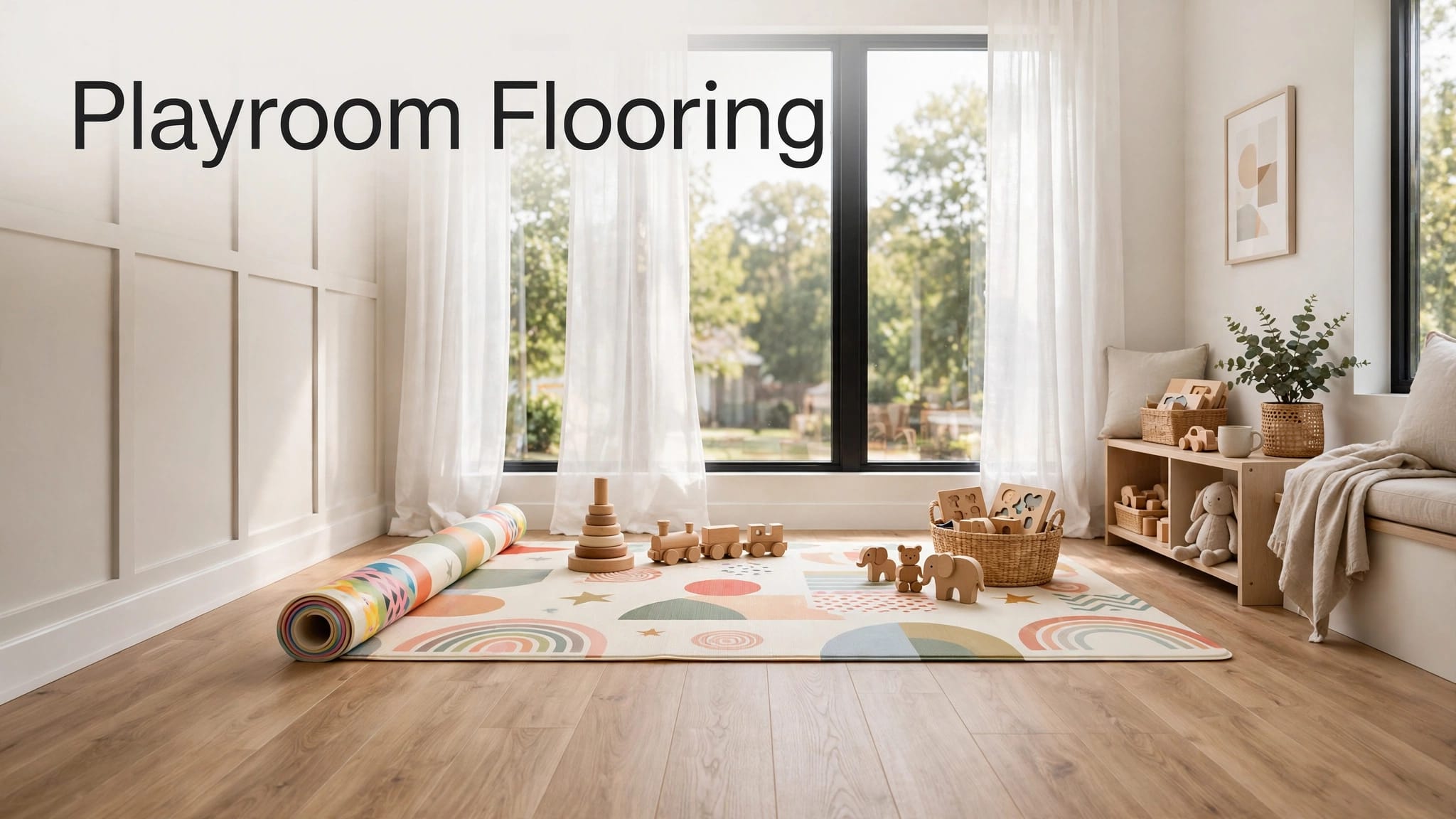
A durable finished floor paired with a removable play surface, such as roll-up playroom flooring, often gives families the most practical result.
Key Takeaways for a Safer, Easier Playroom
- Luxury vinyl plank is often the strongest all-around choice for playrooms because it wipes clean, resists everyday scuffs, and works well over many Cumming concrete slabs.
- A removable roll-up playroom flooring section adds fall comfort without covering the entire room with thick foam.
- Carpet reduces noise and softens tumbles, but it needs prompt attention after spills and should not cover a moisture problem.
- Engineered hardwood can suit an upstairs playroom or a lower-traffic flex room, while solid hardwood needs careful planning over concrete.
- A written estimate should identify removal, moisture checks, leveling, materials, transitions, labor, and the installation schedule.
Best Playroom Flooring Cumming Families Can Choose
The best choice depends on whether the room is a dedicated toddler zone, a homework-and-gaming space, or a finished basement used by the whole family. We look at cleaning needs first, then cushioning, moisture exposure, and how the floor connects to nearby rooms.
| Flooring option | Best fit | Main advantage | Watch for |
|---|---|---|---|
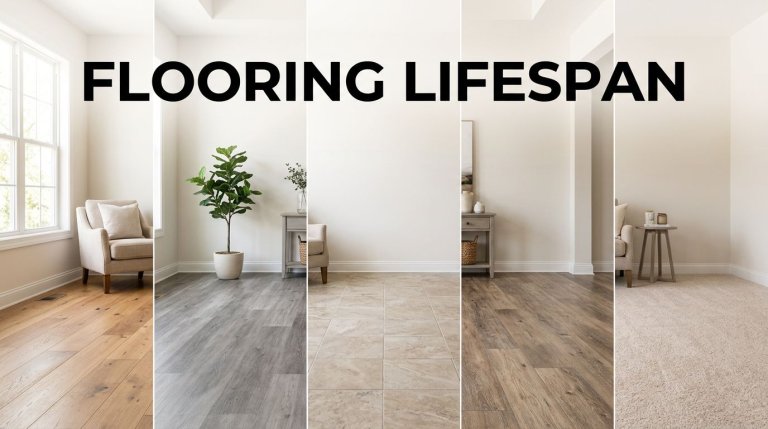
| LVP | Busy playrooms, basements, slab homes | Water-resistant and easy to clean | Less cushioning without a mat |
| Carpet or carpet tile | Quiet upstairs rooms | Soft underfoot and sound-absorbing | Stains and moisture retention |
| Engineered hardwood | Flex rooms near existing wood floors | Warm appearance and stable construction | Scratches and moisture limits |
| Roll-up playroom flooring | Toddler areas and active play zones | Extra impact cushioning | Seams, movement, and eventual replacement |
The practical winner for many homes is LVP with a large, washable play mat. For active zones, roll-up playroom flooring can provide added cushioning.
Luxury Vinyl Plank With a Removable Play Mat
Luxury vinyl plank works well when juice boxes, art supplies, muddy shoes, and pet accidents are part of the routine. A quality wear layer helps it stand up to household traffic, while the waterproof surface makes daily cleanup easier.
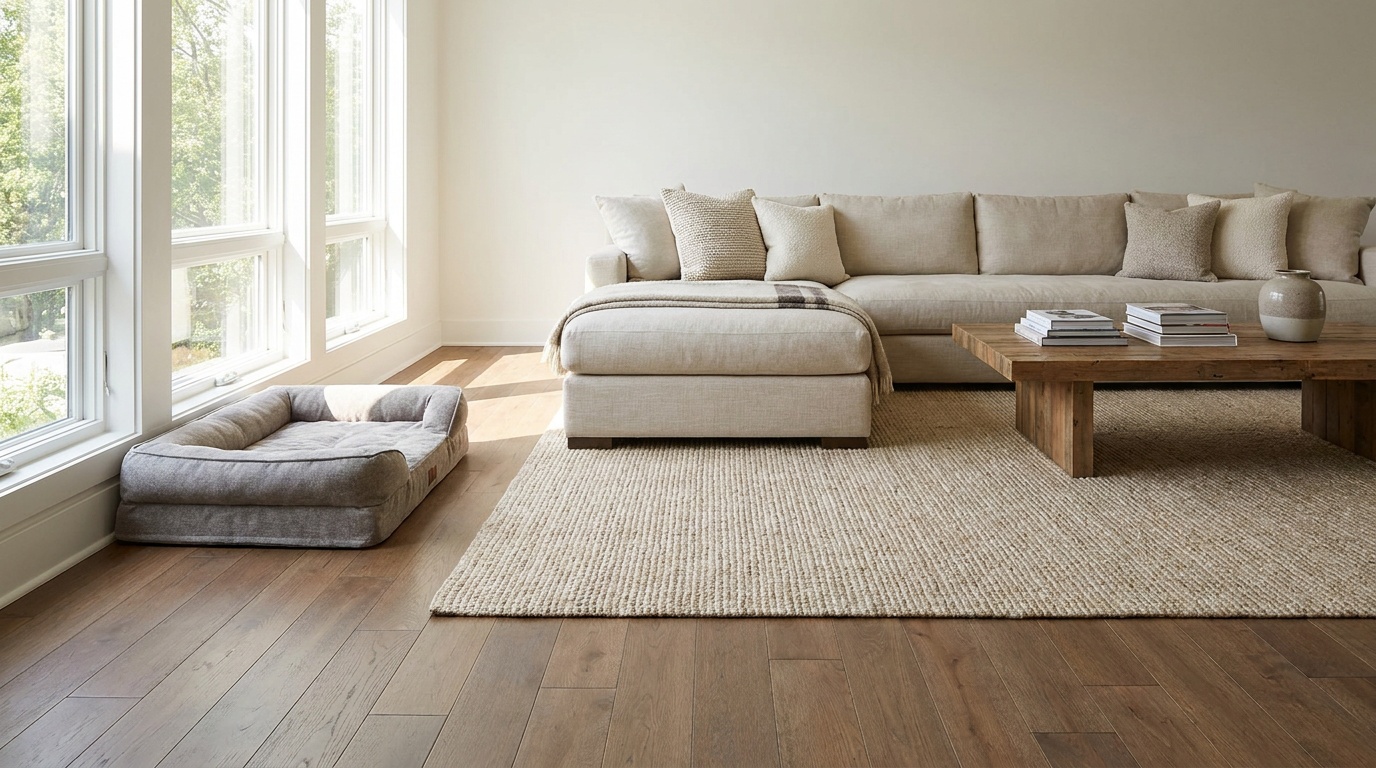
We often recommend LVP for families who want a wood-look waterproof flooring option without treating every spill like an emergency. Add a low-profile rug pad or cushioned play mat, and you can create a comfortable play zone that is easy to replace as children grow.
A project manager can coordinate the floor, mat, transitions, and installation details. Choose a mat with a non-slip backing that doesn’t trap moisture beneath it. Lift it occasionally to clean underneath, especially near exterior doors or basement walls.
Carpet and Carpet Tiles for Quieter Play
Carpet still makes sense for an upstairs room where noise carries into bedrooms below. It muffles toy drops, feels warmer in winter, and gives children more comfort during floor play.
The EPA notes that carpet can reduce noise, falls, and injuries in school settings, yet moisture intrusion can create indoor air quality problems with carpet and other materials. Review the agency’s guidance on carpet and indoor air quality before choosing carpet for a basement or any room with a history of dampness.
Carpet tiles are worth considering when you want a softer floor but prefer the option to replace one stained section. This can postpone carpet replacement across the entire area. Custom area rugs can also define a reading or quiet corner, while a washable play mat is easier to maintain around snacks and paint.
roll-up playroom flooring and Foam Flooring for Active Areas
Dedicated roll-up playroom flooring and interlocking foam tiles make sense beneath climbing equipment, indoor swings designed for home use, or an energetic toddler play area. Look for a surface that lies flat, cleans easily, and has manufacturer documentation for its material and intended use.
When reviewing foam-mat documentation, verify whether the product uses cross-linked polyethylene foam and whether it is intended for indoor play. Thickness alone does not prove that a mat will protect against every fall. The Consumer Product Safety Commission’s playground safety handbook makes clear that fall protection depends on both the surface and the height of the equipment.
For equipment that needs flexible coverage, roll-up playroom flooring can be stored when the area serves another purpose. Keep taller climbing equipment out of a typical home playroom unless its manufacturer provides clear indoor-use and anchoring guidance.
A cushioned mat improves comfort at floor level, but it doesn’t replace supervision or make furniture climbing safe.
Concrete Slabs Need Moisture Checks First
Many newer Forsyth County homes have concrete slabs, finished basements, or lower-level rooms where moisture conditions determine which floor will last. A pretty sample cannot answer that question. A project manager can coordinate moisture testing, preparation, and material requirements before installation begins.
Why Wood Requires More Planning
Solid hardwood can be a beautiful choice in living areas, but it is not automatically the right floor for a slab-level playroom. Wood reacts to moisture, and trapped moisture can lead to movement, gaps, cupping, or finish problems.
The National Wood Flooring Association states that installers should test concrete and confirm the slab meets applicable moisture requirements before installing wood. Its wood flooring installation guidelines support the approach we take in Cumming homes: inspect first, then recommend the material and installation method.
LVP and Engineered Wood on Slab Homes
Waterproof LVP often gives slab-level playrooms the simplest path forward. It is forgiving for everyday spills and can work well when the floor has been properly prepared and leveled.
Engineered hardwood may also work in the right room, but the existing slab, moisture readings, underlayment, and product requirements all matter. Proper subfloor preparation should address cracks, low spots, adhesive residue, and doorway transitions. Ask the contractor for a written estimate that documents moisture readings, preparation, and any recommended mitigation before you install new flooring in Cumming.
Original Hardwood May Be Worth Saving
Older Cumming and Forsyth County homes sometimes have hardwood beneath tired carpet or a worn finish. Before covering it, we inspect whether the boards are stable enough to restore.
When Sanding and Refinishing Makes Sense
A sound floor with surface scratches, dull traffic paths, or an outdated stain color may not need replacement. Professional sanding removes the old finish and allows you to choose a stain and sheen that fit the rest of the home.
If you are looking for a hardwood floor sanding company in Cumming, ask how the crew contains dust, handles edges, and confirms that boards have enough wear layer for refinishing. Our hardwood floor refinishing in Cumming process includes full sanding, stain options, and commercial-grade finish.
When Replacement Is the Better Call
Deep water damage, extensive movement, termite damage, or thin boards that cannot tolerate another sanding can make replacement the safer investment. A project manager can help compare restoration with a more moisture-tolerant surface based on the room’s use.
We also consider whether the playroom’s new purpose calls for a softer, easier-to-maintain floor. As a hardwood floor company servicing Windermere and nearby communities, we don’t push wood into rooms where LVP, tile, or carpet will perform better.
A playroom should work for your family now, not only look good in photos.
Plan Flooring With the Rest of the Remodel
Flooring choices affect baseboards, stair nosing, cabinet height, appliance clearances, and transitions between rooms. It is easier to plan those details before demolition than to correct them after a new floor is installed.
Kitchen and Bathroom Projects Change Floor Decisions
Homeowners searching for a kitchen remodeling company in Cumming often need a project manager to coordinate flooring before cabinets arrive. The floor may run continuously into the playroom, or a durable transition may be needed for wet shoes and food spills.
The same applies if you are searching “bathroom remodeling contractor near me.” Wet-area flooring, waterproofing, tile thickness, and doorway transitions should be coordinated as one scope. Cumming Floors & Remodeling handles flooring alongside kitchen and bath work, documenting adjoining flooring, wet-area work, preparation, and transitions in one written estimate.
Basements and Stairs Need Their Own Scope
A basement finishing company near you should start with slab conditions before discussing colors or furniture. In Forsyth County homes, a project manager coordinates moisture checks, floor-flatness work, and sound control for a comfortable, durable lower-level playroom.
Stairs also need special attention. A change from hardwood to LVP, carpet, or tile may require new nosing, stair runner installation, and carefully planned transitions. As a remodeling company in Cumming, our project manager measures those height changes early, rather than leaving them as last-minute add-ons.
What a Cumming Flooring Estimate Should Include
A clear written estimate protects you from low initial pricing that grows once the old floor comes up. As a family owned and operated company, we believe an all-inclusive quote should list every major part of the job and reflect responsive customer service.
What Happens During an In-Home Flooring Estimate
During the visit, our project manager measures rooms, inspects the subfloor or slab, discusses traffic, and turns those findings into a written estimate. You can compare plank widths, finishes, and textures at home, during a showroom visit at our flooring store Cumming GA location, or under your actual lighting.
Our floor installation in Cumming consultations help identify whether a playroom should match the main level and plan professional flooring installation. For many households, the answer is a coordinated look with a different surface where spills and rough play happen.
Compare Scope, Not Only the Bottom Line
Your written estimate should state existing flooring removal, disposal, furniture moving, leveling, moisture work, underlayment, materials, transitions, trim, labor, expected timing, and the installation warranty. The project manager should also explain potential change orders, scheduling, and preparation that could affect the scope.
Published local ranges and available financing options can help you set expectations. Our current flooring costs in Cumming list LVP installation at $4.00 to $5.50 per square foot and hardwood refinishing at $3.95 to $6.00 per square foot. However, material selection, room shape, preparation, and stair work can change the final price.
If you already have a written quote for the same documented scope, show it to us. Our price match guarantee means we will do it for 5% less. For a no-cost, itemized estimate, call (770) 906-4732 to schedule your visit.
Frequently Asked Questions
How long does playroom flooring installation take?
A single-room LVP, carpet, or roll-up playroom flooring project may move quickly after materials arrive and the subfloor is ready. However, removal, leveling, moisture mitigation, furniture, and trim work can add time. Your project manager provides a written schedule after measuring the room. Ask what installation warranty applies to the completed work.
Is wood flooring good for a playroom?
Wood flooring can work well in a dry upstairs flex room or a space that needs to match adjacent hardwood. This option needs felt pads under furniture, prompt spill cleanup, and regular care around toys and pets. For heavy messes, LVP is usually easier to maintain.
Should the playroom match the rest of the house?
Matching floors can make an open main level feel more connected. Still, a separate playroom gives you more freedom. We often recommend a compatible color in a more forgiving material, with clean transitions at the doorway.
Do I need to replace hardwood before remodeling a kitchen or bath?
Not always. Existing hardwood may be refinished after the major work is complete, or new wood can be laced into an expanded area. The right sequence depends on cabinets, tile, plumbing, and the final floor height.
Choose a Floor That Fits Daily Family Life
The strongest playroom floor matches your household’s real habits, and LVP with a removable cushioned mat suits most Cumming families. Roll-up playroom flooring offers another removable comfort option when the room may need updates later.
Start with the slab or subfloor, then choose the finish around your family’s daily use. Before hiring, confirm a detailed estimate, installation warranty, and responsive customer service that support clear material guidance and reliable project follow-through.