Best Flooring For Rental Homes In Cumming Durability And Turnover Speed
Floors take the hardest hits in a rental. Tenants come and go, furniture gets dragged, pets run laps, and muddy shoes show up after a Georgia rain. When flooring fails, turnover slows, and every extra day can mean lost rent.
In Cumming, GA, we also plan around humidity (often high in summer), spills, and quick move-ins. So we focus on what gets a home rent-ready fast and keeps it that way. Below, we break down practical flooring options for rental property Cumming Ga owners, comparing durability, cleaning speed, and repair time, without the fluff.
If you want a clear plan and a firm number, call (770) 906-4732 for a free estimate. If you show us any written quote from another contractor, we’ll do it for 5% less.
When we can shorten a turnover by even a day or two, the flooring choice often pays for itself.
What matters most for rental flooring in Cumming, GA
Before we pick a material, we use a few simple filters. They keep the decision practical, especially when a unit must be ready by a deadline.
First, we look for a tough surface layer (wear layer or finish) that handles traffic. Next, we check water and humidity resistance, because Cumming summers can push indoor moisture up fast if HVAC cycles change between tenants. We also think about stains and scratches, since rentals see more “real life” than staged homes.
Finally, we ask a question many owners forget: How quickly can we fix one damaged spot? If a floor forces a full-room replacement every time, it’s not a rental-friendly choice, even if it looks great on day one.
Tenant expectations matter too. Most renters want a clean, neutral look that photographs well. Simple colors and consistent flooring through main areas can help a listing feel newer, even without a full remodel.
Durability and repairability, because damage will happen
In rentals, damage usually isn’t dramatic. It’s the slow grind of daily use: grit at the entry, chair legs scraping, a dropped pan in the kitchen, or pet claws racing down the hall. Over time, those small events add up.
That’s why we favor floors that allow spot repairs. Replacing one plank or a few tiles often costs less than tearing out an entire room, and it cuts downtime. With the right product choice, many owners avoid the “replace everything” cycle after a single rough tenant.
Lifespan also matters, but only when it’s realistic for rentals. For example, LVP often lasts about 15 to 25 years in rental settings when we choose a solid wear layer and install it correctly. Tile can last far longer, but repair speed and matching can be harder later. Laminate can work, but only when we control moisture risk.
Turnover speed: cleaning time, install time, and dry time
Turnover speed is a flooring feature, even if it doesn’t show up on a sample board. What slows a rental down most often is demo mess, subfloor surprises, and materials that need cure time.
Glue-down products can require wait times. Grout needs time too. Some repairs force us to pull up large sections, then rebuild transitions and trim. Carpet can be quick in some cases, but stains, odors, and full-room replacement are common in rentals, so it can create repeat turnover headaches.
On the faster side, floating click-lock floors usually move quickly. They don’t need adhesive cure time, and if a plank gets damaged, we can often swap it without touching the whole room. Also, fewer transitions and simpler trim plans help us finish faster and reduce future weak points.
Best flooring choices for fast-turnover rental homes
For most Cumming rentals, we want three outcomes: fewer callbacks, faster cleaning, and repairs that don’t snowball. The materials below are the ones we see perform best when tenants, pets, and frequent move-ins are part of the plan.
Here’s a quick comparison to set the stage:
| Flooring type | What it’s best at | Where it can bite you |
|---|---|---|
| LVP | Waterproof performance, fast installs, easy repairs | Cheap lines can dent or show seams |
| Laminate | Lower upfront cost, good scratch resistance | Moisture can swell edges and joints |
| Tile | Long life in wet zones | Slower installs and messier repairs |
Luxury vinyl plank (LVP): our top all-around pick for most rentals
LVP leads for rentals in 2026 because it fits real life. It’s waterproof, cleans fast, and handles the daily abuse that comes with tenants and pets. In humid Georgia conditions, a rigid-core LVP can also stay more stable than wood-based products when indoor humidity swings between move-outs and move-ins.
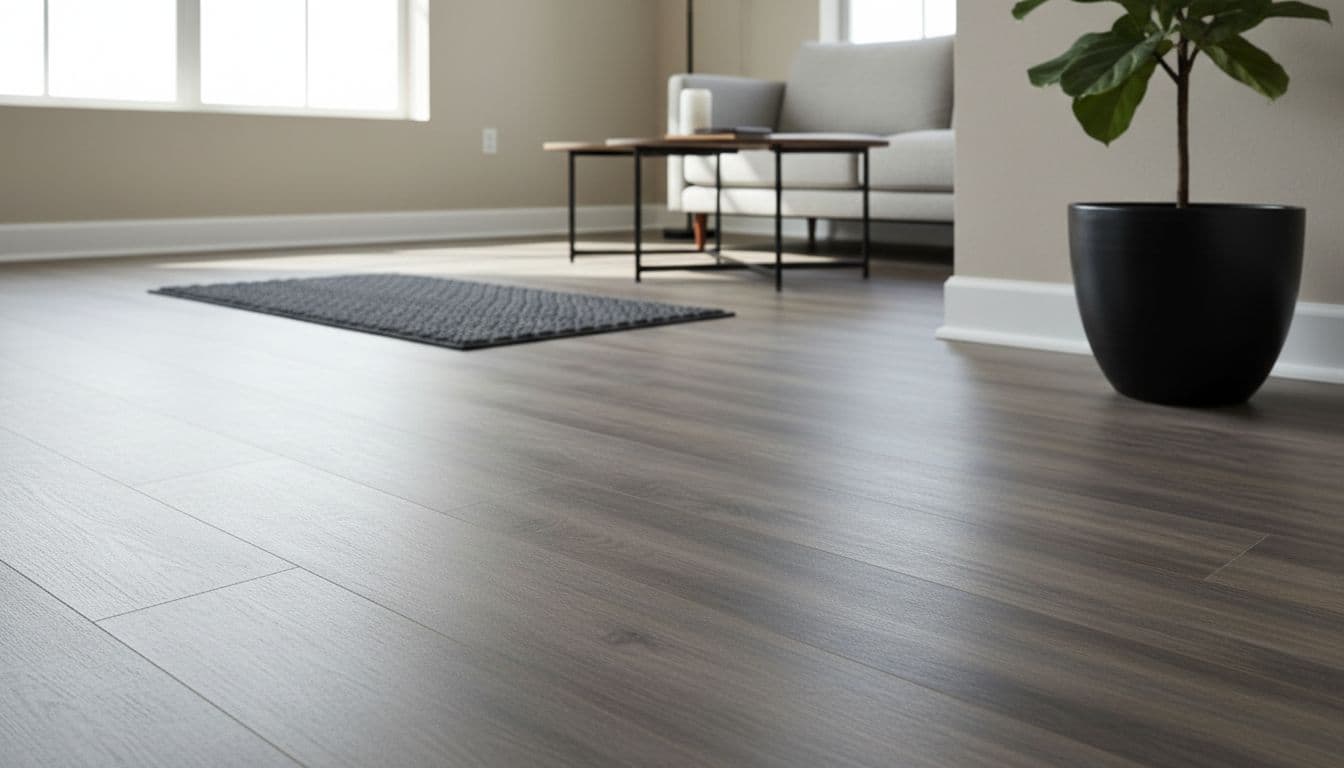
When we help owners choose LVP, we pay attention to a few details that affect durability and turnover:
- Wear layer thickness: A stronger wear layer reduces scuffs and scratches over time.
- Rigid core: Helpful for flatter installs and stability, especially over minor subfloor imperfections.
- Underlayment plan: Attached pad can be convenient, but some homes do better with a separate underlayment for sound or slab conditions.
- Realistic visuals: Medium tones and light texture hide dust, footprints, and small marks.
Repairs are where LVP really earns its keep. If a tenant gouges a plank, we can often replace that plank and move on, instead of redoing the entire room.
For more detail on product choices and installation, see our page on luxury vinyl plank flooring.
Laminate: a budget-friendly option when we control moisture risk
Laminate can still make sense in a rental when the budget is tight and the rooms stay dry. It often resists scratches well, and it can look surprisingly good in photos. Install is usually quick, since many laminate floors also use click-lock systems.
The limit is water. Even “water-resistant” laminate isn’t the same as waterproof. A leaking dishwasher, wet mopping, or a pet accident left too long can swell edges and joints. Once that happens, a small issue can become a visible problem across a wide area.
When we do use laminate in rentals, we keep it in bedrooms or upstairs living spaces, not in entryways, kitchens, baths, or laundry rooms. We also stay strict on subfloor prep and underlayment, because a bouncy base makes joint damage more likely.
Tile in the wet zones: great lifespan, slower repairs
Tile is still the king of wet zones. Bathrooms, laundry rooms, and some kitchens benefit from a surface that simply doesn’t care about water. If you’ve dealt with toilet leaks or shower splash-out, you already know why tile earns its spot.
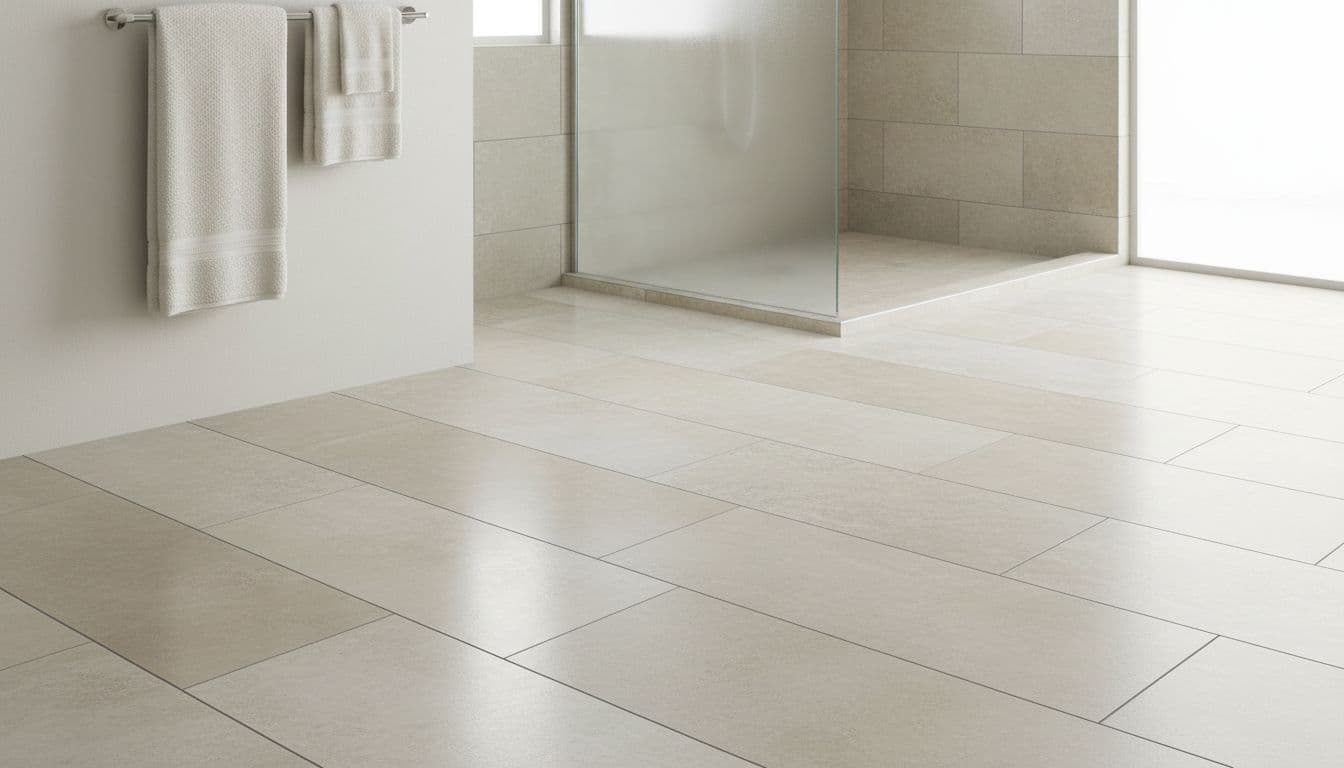
The trade-off is turnover speed. Tile installs take longer, grout needs cure time, and repairs can get messy. Matching an older tile later can also be frustrating if the exact style gets discontinued.
Selection choices can reduce problems. Larger tiles mean fewer grout lines. Darker grout hides staining better in rentals. We also suggest choosing common, easy-to-source styles, because it improves the odds of finding a match years later.
If wet-area tile is part of a bigger update, our bathroom tile installation Cumming work shows how we plan for water exposure and easy cleaning.
Where each flooring works best in a rental layout
Many owners waste money by using the same material everywhere, even where it doesn’t fit. Others do the opposite, mixing too many surfaces and creating transitions that fail first. Our sweet spot is a simple layout: one main floor for most rooms, tile only where it truly helps, and a plan that makes repairs predictable.
High-traffic areas (entries, living rooms, hallways): pick one tough surface
Connected spaces take abuse like a well-worn path through grass. In rentals, those paths are the entry, hallway, and living room. We prefer one durable surface across these areas, because it reduces transition strips and makes future plank swaps easier.
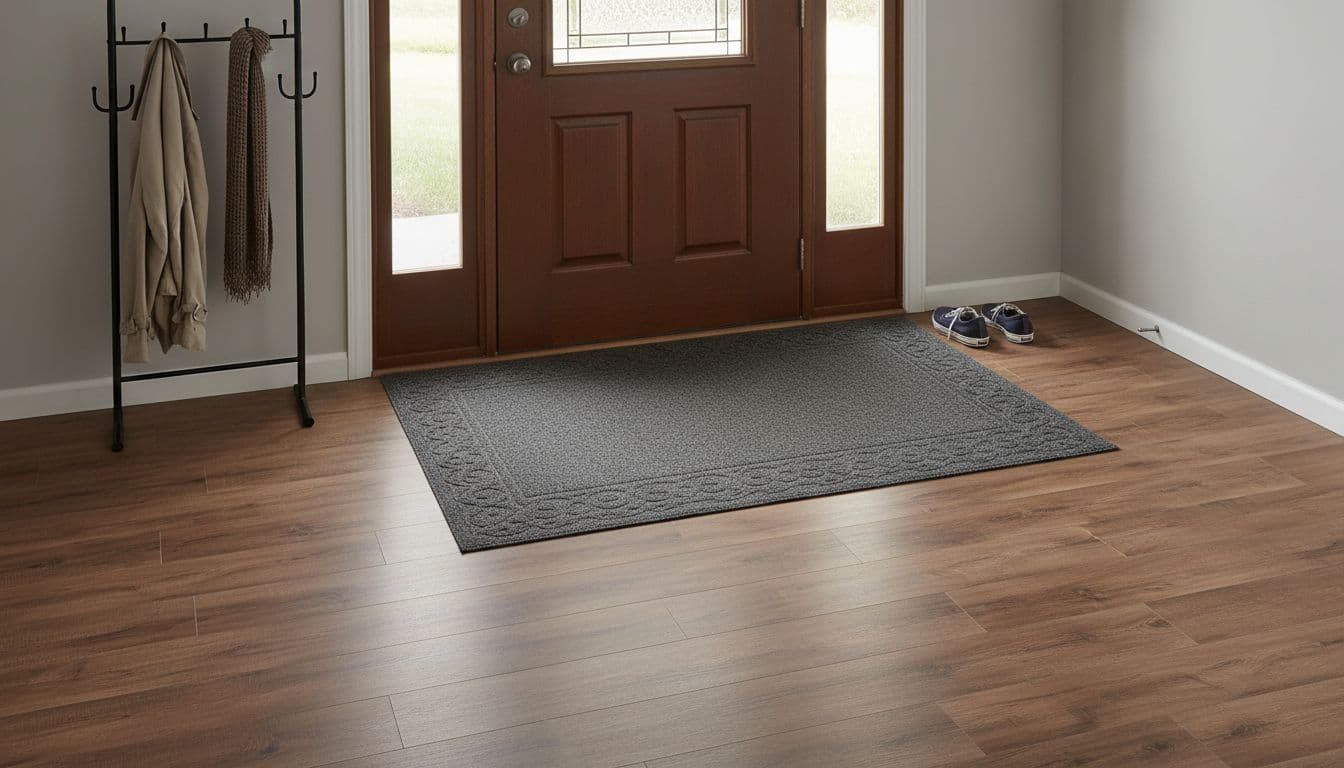
For Cumming rentals, LVP is usually our default here. We like medium tones with subtle texture, since they hide dust, grit, and scuffs better than very dark or very light floors.
A small habit helps too: a quality walk-off mat at the door. It’s like a gravel filter for your floors. Less grit tracked inside means fewer micro-scratches, and that keeps the unit looking cleaner between tenants.
Kitchens, baths, and laundry rooms: plan for spills and humidity
Moisture planning matters more in Georgia than many owners expect. Summer humidity often runs high, and indoor humidity swings can happen when a home sits empty or HVAC gets adjusted. We aim to keep indoor humidity around 30 to 50% when possible, because it helps every finish in the home.
For wet areas, we use a simple rule:
- Tile when water exposure is constant (showers, around tubs, some laundry setups).
- LVP when speed, comfort, and easy cleaning matter most (many kitchens, half baths, laundry rooms with good pan and drain planning).
Just as important, we tighten up the details that prevent repeat damage. Good caulk lines, proper toilet resets, and quick leak checks reduce the “same problem every turnover” cycle.
In rentals, leaks don’t announce themselves. We plan floors assuming a small leak will happen someday.
How we keep costs down without choosing the cheapest floor
Upfront price matters, but total cost over time matters more. The cheapest floor can cost more later if it stains easily, takes longer to clean, or forces full-room replacement after one accident.
We also see owners overspend on looks that don’t survive rental life. A perfect, glossy finish can look great for a showing, then look tired after a few move-ins. A smarter choice is a floor that hides daily wear and stays easy to refresh.
A simple way to think about cost: lifespan, cleanability, and worst-case repairs
When we compare flooring options for a rental property, we keep the math simple:
How many years should this floor realistically last in a rental?
How fast can we clean it between tenants?
What happens when someone damages it in the worst way we see in real rentals?
That last question changes everything. With LVP, the common worst case is a damaged plank, which we can often replace. With laminate, moisture damage can spread across joints and force a bigger tear-out. With tile, the floor might survive, but a repair can be loud, dusty, and harder to match.
A helpful mindset is to plan for one or two common repairs ahead of time, then pick the floor that makes those repairs quick. That approach keeps turnovers moving and prevents surprise bills.
Color and finish choices that help us re-rent faster
Color is not just style, it’s maintenance. Very dark floors show dust, footprints, and pet hair. Very light floors can show stains and scuffs. We usually recommend neutral, mid-tone colors for rentals, paired with low to medium sheen.
Texture helps too. A light wood grain or subtle emboss hides small marks better than a smooth, shiny surface. The goal is simple: make the floor look clean after a fast sweep and mop.
We also like matching stair treads and trims where it makes sense. A consistent look reads as “well-kept” in listing photos, even if the home isn’t brand new. That can help reduce days on market, especially during busy move seasons.
Conclusion
For most Cumming rentals, LVP gives the best balance of durability and turnover speed. Tile earns its place in wet zones, even though repairs take longer. Laminate can still work on tight budgets, as long as we keep it out of moisture-prone areas.
If you want help choosing the right wear layer, layout plan, and room-by-room mix, call (770) 906-4732 for a free estimate. Show us any existing written quote from another contractor, and we’ll do the job for 5% less. When you call, tell us your rental size, your pet policy, and the tenant type you’re targeting, so we can recommend a floor that holds up and turns over fast.