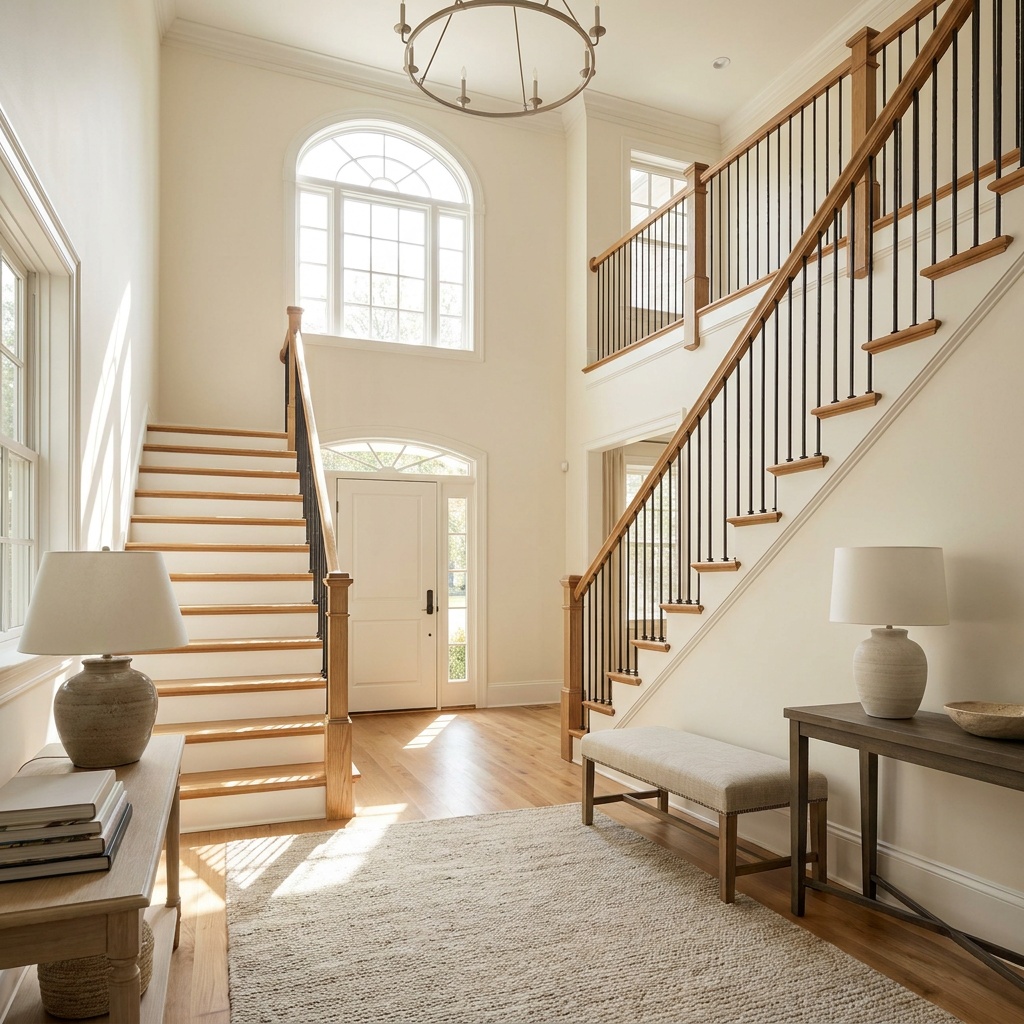
LVP Underlayment for Upstairs Noise Control and Softer Steps
Upstairs floors shouldn’t sound like a drumline. Yet that’s what many homeowners hear after installing LVP without the right base layer. The good news is that LVP underlayment can calm footstep noise and make the floor feel less hard. Knowing the best underlayment for LVP installation upstairs is crucial for achieving a peaceful environment.
If you’re considering LVP flooring for upstairs bedrooms, hallways, or a bonus room, underlayment choice matters as much as plank color. Below, you’ll learn what noise you can control, which underlayment types actually help, and how to avoid common warranty mistakes before you install the best underlayment for LVP installation upstairs.
What “upstairs noise” really is, and why LVP can make it worse
Noise from an upper floor usually comes in two flavors: impact noise and airborne noise. Impact noise is the thud of footsteps, dropped toys, or rolling office chairs. Airborne noise is voices or TV sound moving through the floor assembly.
LVP is a hard surface, so impact noise tends to travel. Some floors also create a hollow “tap” sound in the room itself, especially over a less-than-solid subfloor. Think of it like tapping a tabletop versus tapping a padded desk mat. Same hand, different sound.
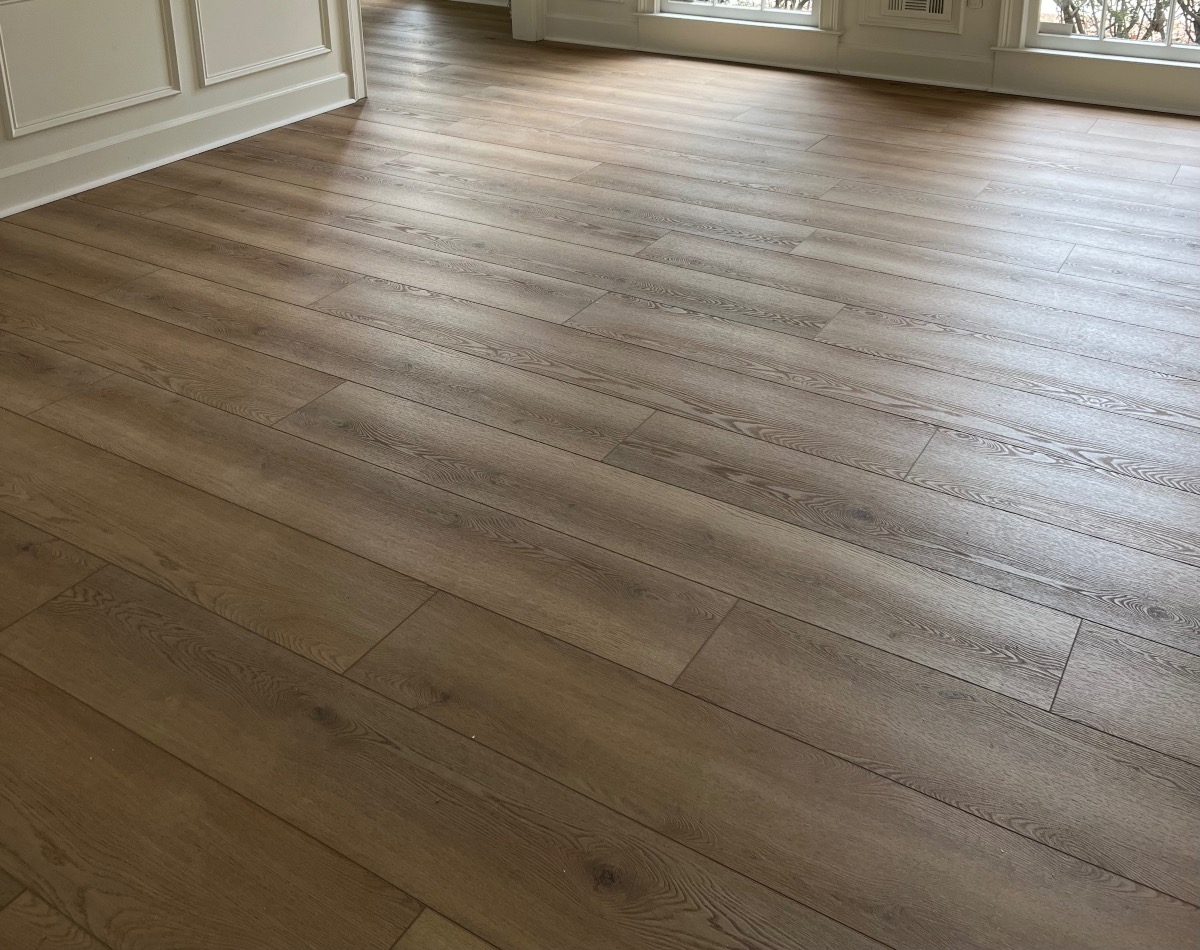 The two ratings that show up on product sheets (STC and IIC)
You’ll often see STC and IIC in underlayment specs:
- IIC (Impact Insulation Class): how well the system reduces footsteps and drops.
- STC (Sound Transmission Class): how well it reduces airborne noise.
Higher numbers are better. For upstairs living, many homeowners aim for an IIC around 60+ when the full floor system is tested. Still, numbers can mislead because they depend on the entire assembly (subfloor, underlayment, LVP, ceiling below, insulation).
If your goal is “no noise at all,” underlayment alone won’t get you there. It can help a lot, but the floor system needs to act as a team.
Subfloor problems that make noise worse
Before anyone talks underlayment, the subfloor has to be right. Loose panels, uneven seams, and unaddressed squeaks can telegraph through LVP. A good installer fixes movement first, then flattens the surface to the LVP manufacturer’s tolerance.
If you’re planning to install LVP in Cumming, it’s worth asking your installer how they handle squeaks, dips, and high spots before planks go down. That prep is often the difference between “quiet enough” and “why is it still loud?”
Choosing the best LVP underlayment for a quieter, softer walk
Underlayment is not one-size-fits-all. Some LVP includes an attached pad, while other products require a separate layer. Your best match depends on the LVP core, the room’s use, and what sits below (bedroom, kitchen, open living room).
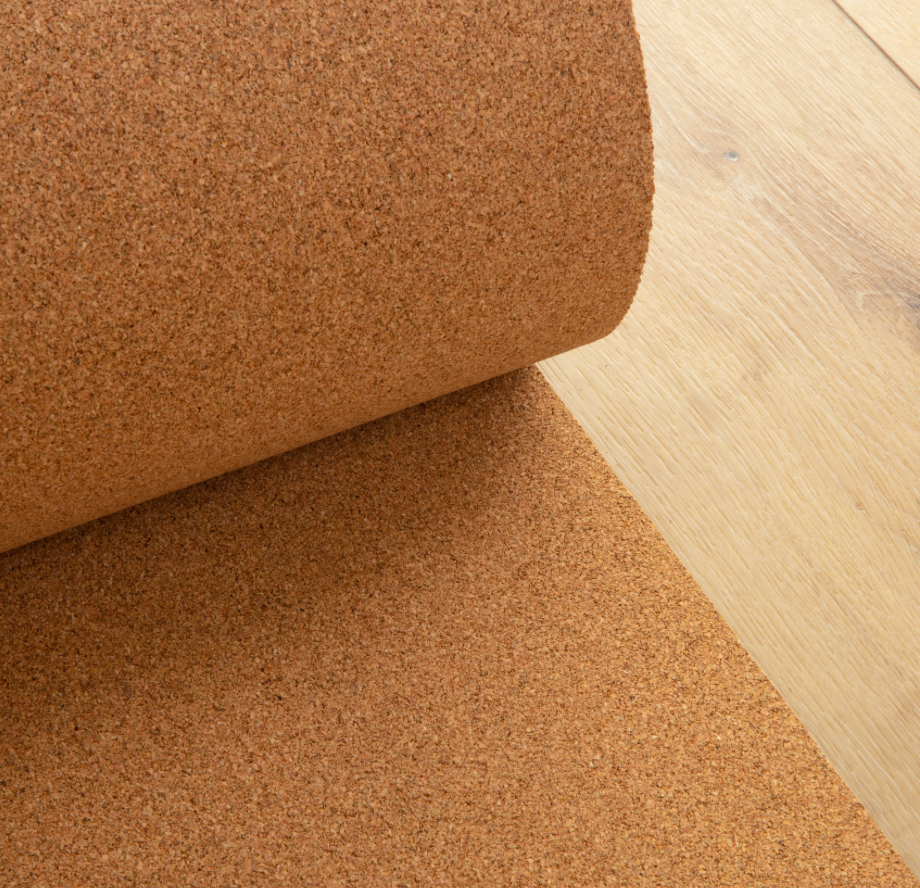
Cork, rubber, and IXPE foam: what each one feels like
Here’s a quick way to compare common choices used for upstairs installs:
| Underlayment type | Typical thickness | Noise control | Underfoot feel | Best fit upstairs |
|---|---|---|---|---|
| Cork | 2 to 5 mm | High impact reduction | Warm, slightly cushy | Bedrooms, offices, bonus rooms |
| Rubber | 2 to 5 mm | Very high impact reduction | Firm but comfortable | Hallways, busy family zones |
| IXPE foam (high-density) | 1 to 3 mm | Medium reduction | Softer than bare subfloor | Budget-friendly comfort upgrades |
Most upstairs projects land in the 2 to 5 mm range for noticeable impact improvement without making the floor feel bouncy. Thicker is not always better, because click-lock joints don’t like a squishy base.
Attached pad vs separate underlayment (don’t guess)
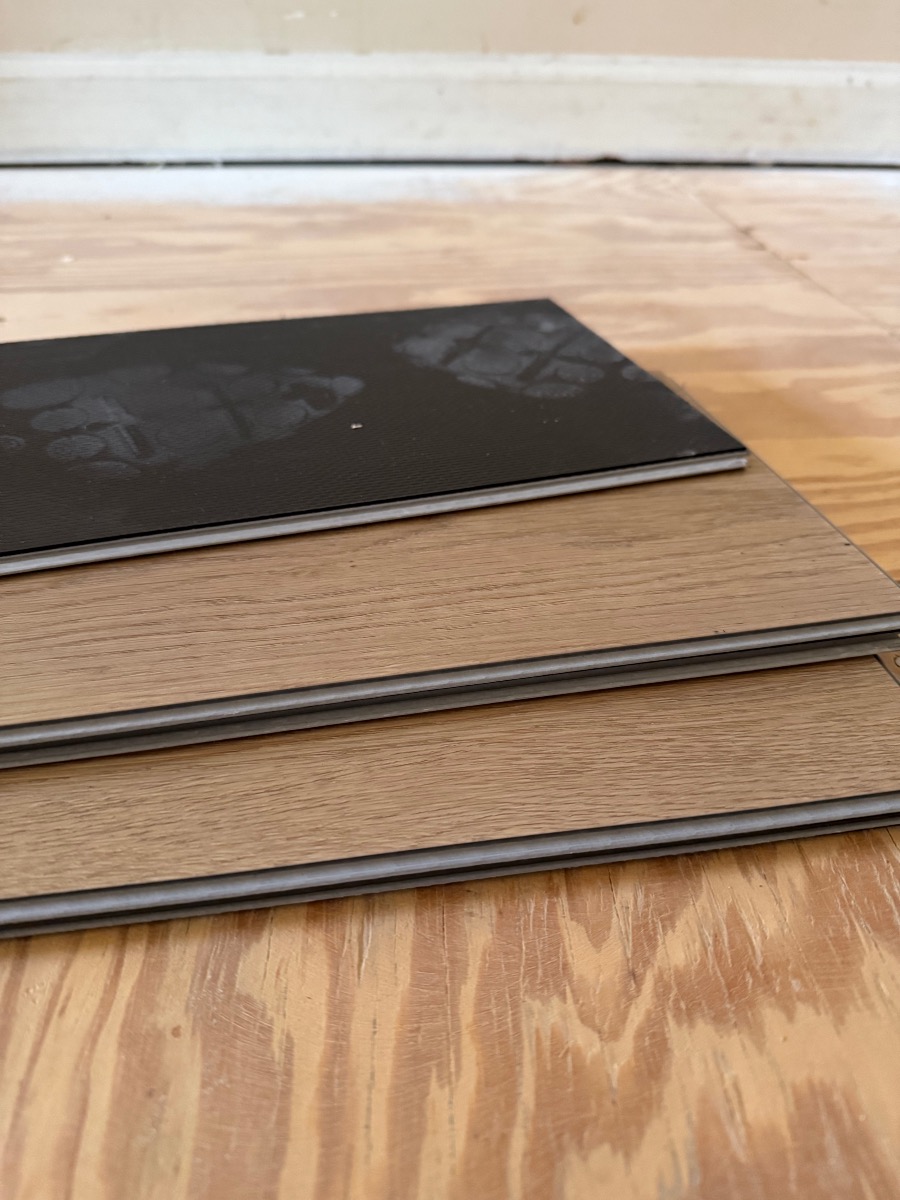
Many premium planks come with an attached acoustic pad. In that case, adding another layer can void the warranty or create too much flex. Always follow the manufacturer’s instructions.
Gotcha: if your LVP already has an attached pad, the “best” underlayment might be no extra underlayment at all. You may only be allowed to use a specific film or moisture layer, if any.
For local homeowners comparing options, this page offers a helpful overview of LVP products and common install approaches: https://www.cummingfloors.com/luxury-vinyl-tile/
A note about moisture layers upstairs
Upstairs rooms usually don’t need a true vapor barrier the way basements do. Still, bathrooms, laundry rooms, and some slab-over-garage areas can have moisture risks. If you want a simple breakdown of moisture-focused layers (even though it’s written for below-grade spaces), this guide helps explain how barriers and seams work: https://www.cummingfloors.com/basement-hardwood-underlayment/
How to build an upstairs LVP floor that stays quiet over time
A quiet floor starts on install day, but it stays quiet because of the details that follow. Underlayment helps, yet the “system” matters more than any single product.
Start with the joist bay, not just the surface
If you can access the ceiling below, adding insulation between floor joists can reduce sound transfer. It won’t fix squeaks above, but it can cut both impact and airborne noise. This step is common in remodels where the downstairs ceiling is open anyway.
That’s one reason homeowners sometimes coordinate flooring with a larger project. A remodeling company in Cumming may open ceilings for lighting or layout changes, which creates an easy window to add sound control.
Pick the right LVP core for upstairs comfort
Core type changes how LVP feels. WPC cores often feel warmer and slightly softer than very rigid SPC cores. Plank thickness can also help the floor feel more solid, although it can’t compensate for a poor subfloor.
Homeowners shopping LVP flooring in Windermere neighborhood in Cumming often ask for a “less clicky” sound upstairs. In practice, that usually means a stable subfloor, a smart underlayment, and a plank with a more forgiving build.
Keep transitions and trim from becoming noise points
Bad transitions can create a clack at doorways. Tight cuts around trim can cause rubbing noises as seasons change. A pro installer leaves proper expansion gaps and uses the right transition pieces for the layout.
If you’re also planning to install new flooring Cumming style throughout multiple rooms, ask your installer how they’ll handle doorways and stair landings so the floor doesn’t sound different in every spot.
When flooring plans overlap with other home upgrades
Sometimes the upstairs floor isn’t the only thing changing. A kitchen remodeling company Cumming may adjust layouts, move appliances, or update stairs that connect to the main level. In those cases, it helps when the same team coordinates heights, trim profiles, and timelines. Many homeowners prefer a kitchen and bathroom remodeling company Cumming Ga residents already trust, especially when flooring has to tie rooms together cleanly.
If you’re weighing LVP versus real wood in other parts of the home, this comparison of floating versus glue-down systems (written for engineered hardwood) gives a clear picture of how install methods affect feel and sound: https://www.cummingfloors.com/engineered-hardwood-basement-glue-down-vs-floating/
Local buyers also ask how LVP upstairs affects resale next to real hardwood. A hardwood floor company Cumming can help you match tones and transitions. If downstairs hardwood needs refreshing, a hardwood floor sanding company Cumming can refinish it so the whole home looks consistent.
For neighborhood-specific projects, homeowners sometimes look for a hardwood floor company servicing Windermere alongside an LVP crew upstairs, so materials and trims don’t clash.
Conclusion: the underlayment choice you’ll feel every day
A good underlayment makes upstairs LVP quieter, softer, and more pleasant to live with. Cork, rubber, and high-density foam each have a place, but the right pick depends on your plank, your subfloor, and your warranty rules. If you plan well and install carefully, LVP upstairs can feel calm instead of clacky. When you’re ready to install LVP in Cumming, choose an underlayment that fits the whole floor system, not just the price tag.