Moisture-Resistant Flooring for Cumming Homes With Crawl Spaces
A beautiful new floor can fail long before its wear layer shows a scratch. In Cumming homes with a damp crawl space, moisture can rise through the subfloor and cause water damage, cupping, adhesive failure, odors, and loose boards.
The right moisture resistant flooring starts with the crawl space, subfloor, and room use, not the product sample in your hand; we inspect these conditions before recommending hardwood, vinyl flooring, or tile. Moisture-resistant products reduce risk from ordinary exposure, but they won’t correct crawl space moisture, drainage, ventilation, plumbing leaks, or damaged subflooring.
Start With the Crawl Space, Not the Flooring Sample
A crawl space does not need standing water to create flooring trouble. Seasonal humidity, damp soil, poor drainage, leaks, and missing vapor control can move moisture into framing and plywood over time.
The U.S. Environmental Protection Agency states that controlling moisture is the key to controlling mold. That principle also helps limit mold and mildew below the floor, just as it does in bathrooms and basements.
Signs moisture has reached the floor system
Walk the room slowly before planning an installation. Soft plywood, movement, squeaks, cupped hardwood, loose vinyl edges, stains, or a musty smell deserve attention first.
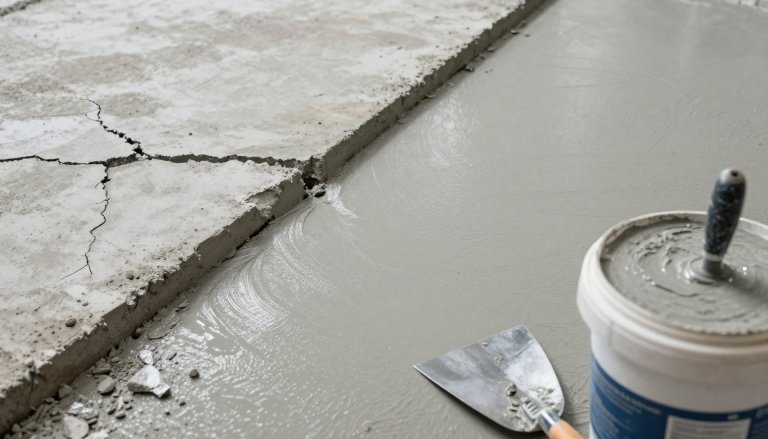
A squeak by itself may come from ordinary seasonal movement. However, soft or low areas, staining, or movement underfoot can point to damaged subflooring or framing. Covering those conditions with a waterproof surface only hides the problem temporarily.
A waterproof top layer cannot protect a floor system that continues to receive moisture from below.
Correct the moisture source before installation
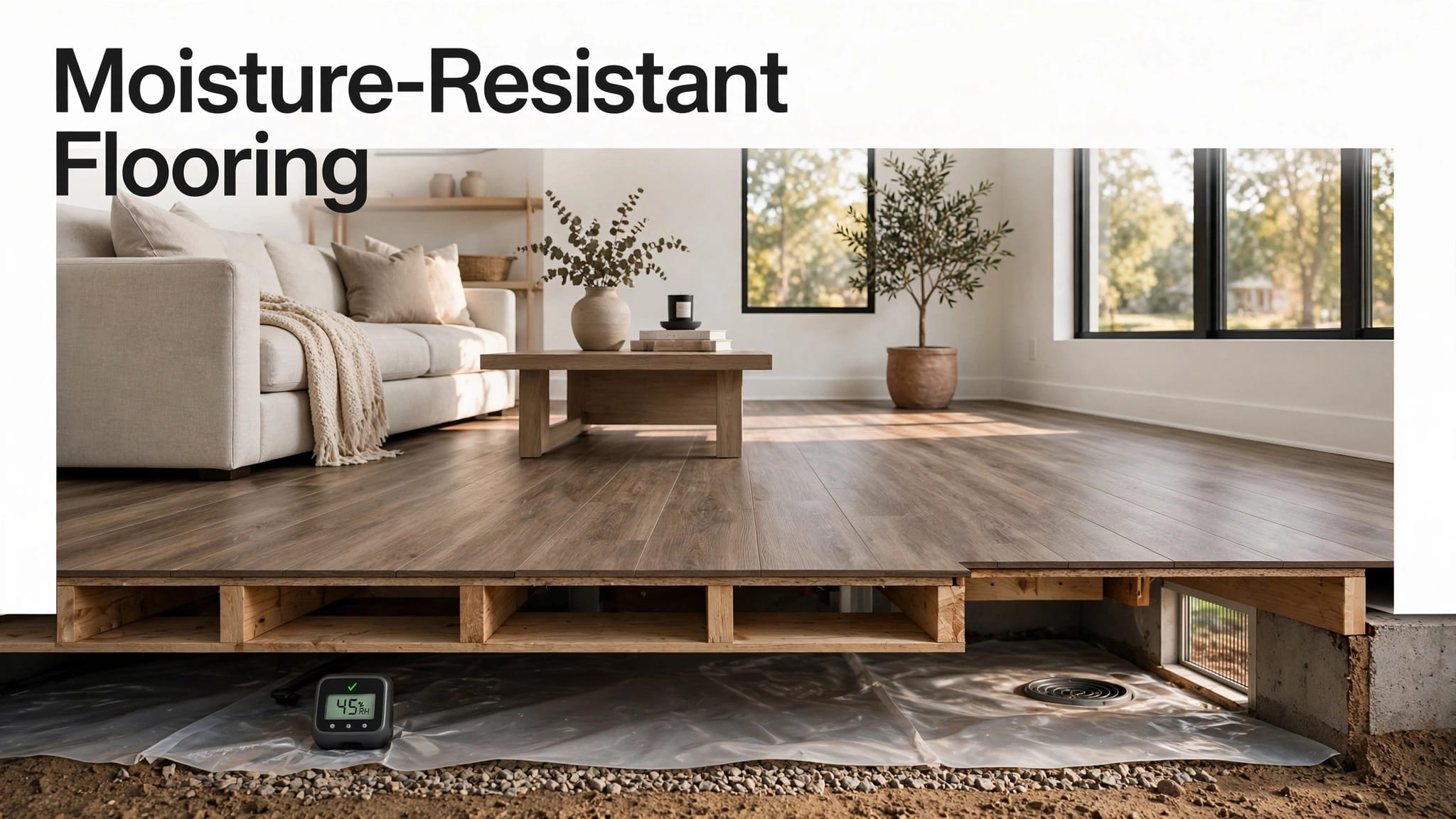
We look for plumbing leaks, wet insulation, exposed soil, disconnected downspouts, grading that drains toward the foundation, poor ventilation, and damaged ductwork. Drainage, leak repair, vapor control, and ventilation must work together as a water management strategy. A ground vapor retarder may be part of the fix, but it isn’t a waterproof barrier against flooding or bulk water.
The Department of Energy’s remodeling guidance for crawl spaces also recommends lining the crawl space with a vapor barrier. After the moisture source is controlled, conditions must stabilize before testing begins. Then we can test the subfloor, repair damaged framing or plywood, and match the installation method to the room.
Best Moisture Resistant Flooring for Everyday Cumming Homes
The best floor depends on how water reaches the room. A kitchen gets spills from above. A crawl-space home may also receive moisture vapor from below. Vinyl flooring and other hard surface flooring respond differently to that exposure.
Pets and children add daily wear and tear, especially in high traffic areas. This comparison separates materials that tolerate ordinary life from those that need consistently dry conditions.
| Flooring type | Moisture performance | Best rooms | Main tradeoff |
|---|---|---|---|
| Luxury vinyl plank | Excellent against surface spills, but seams and subfloor conditions still matter | Main floors, halls, kitchens, finished basements | Flooding can reach seams or a weak substrate |
| Sheet vinyl | Excellent for surface exposure, with fewer seams | Laundry rooms, baths, utility spaces | Edges, penetrations, and doorways still need careful detailing |
| Porcelain tile | Excellent when the tile, grout, and substrate are installed correctly | Baths, entries, laundry rooms | Harder and cooler underfoot |
| Engineered hardwood | Moderate in stable, dry conditions | Living rooms and bedrooms | Ongoing moisture can distort boards |
| Laminate | Varies by product; water resistant laminate flooring can resist spills, but seams may expose its core | Dry living areas and low-spill spaces | Fiber-based core can swell |
Product labels describe the material, not the whole floor system. A moisture-tolerant surface can’t correct a wet subfloor, active leaks, or crawl-space humidity.
The laminate flooring category remains more sensitive to seam exposure than LVP. Even water resistant laminate flooring can have a moisture-sensitive core that swells when water reaches its seams.
Marketing language needs a close read. Even waterproof laminate flooring still requires attention to seams, approved installation conditions, and subfloor moisture. Manufacturer warranties may limit coverage when those conditions aren’t met.
Luxury vinyl plank for busy living areas
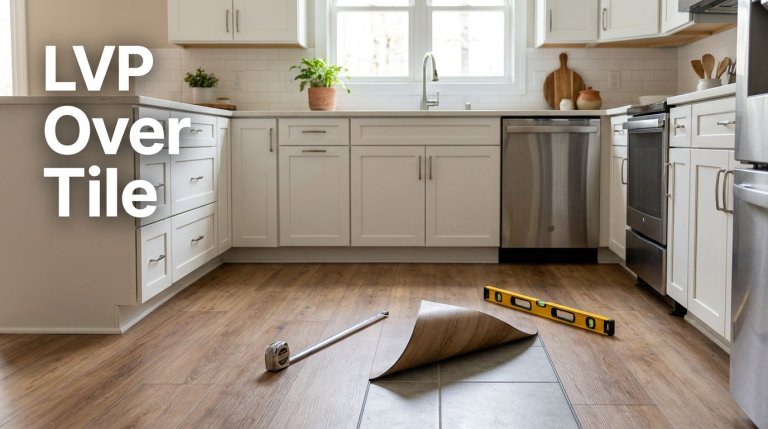
Luxury vinyl planks are often our first recommendation for homes with pets, children, and a history of crawl-space humidity. Compared with water resistant laminate flooring, LVP offers a forgiving surface for spills. Look for a durable wear layer and scratch resistance to manage everyday wear, but remember that neither makes the subfloor waterproof.
Quality LVP resists surface water, cleans easily, and gives you wood visuals without placing natural wood directly over a questionable floor system. That makes it useful in high traffic areas, but it still needs proper installation.
A floating installation still needs subfloor prep, and we require a flat, dry, sound substrate before laying planks. Movement below or an uneven subfloor can stress the click lock system and separate locking edges. A glue down vinyl plank has separate adhesive, moisture, and substrate requirements. It isn’t a cure for moisture below the floor.
Cumming Floors & Remodeling is a local source for evaluating flooring by room. For whole-home projects, our floor installation in Cumming, GA covers hardwood, LVP, laminate, and tile. Material choices can vary by room instead of forcing one product throughout the home.
Sheet vinyl for fewer water-entry points
This format has one clear advantage over planks: fewer seams. In a laundry room, powder room, or utility area, a broad sheet can limit routes for spilled water to reach the subfloor.
That doesn’t make it floodproof. Water can still travel through gaps at walls, toilets, floor penetrations, and doorways. Vinyl flooring remains practical where mop water, pet accidents, or appliance leaks are realistic concerns.
Porcelain Tile for Bathrooms, Entries, and Wet Zones
Porcelain tile is one of the strongest choices for wet areas. It performs best after crawl-space moisture is addressed and the subfloor is stiff enough for tile. It doesn’t swell like wood-based products, and it handles wet shoes, splashes, and regular cleaning well.
Why porcelain usually outperforms ceramic
Porcelain is a denser type of ceramic tile and absorbs less water than standard non-porcelain ceramic tile. The Tile Council of North America defines porcelain as tile with water absorption of 0.5% or less under ASTM C373 testing, as explained in its porcelain versus non-porcelain tile guidance.
That low absorption makes porcelain a dependable fit for bathroom floors, laundry rooms, mudrooms, basement bars, and exterior-adjacent entries. Natural stone has different absorption, sealing, maintenance, and slip considerations, so it isn’t automatically safer than porcelain. Textured porcelain can also offer better footing than polished stone in wet locations.
Tile preparation matters as much as tile choice
Good subfloor prep starts with checking floor deflection and repairing loose subfloor panels. It also includes appropriate underlayment and movement joints at walls and fixed cabinets.
In wet areas, grout is not waterproofing, and low-absorption tile doesn’t waterproof the shower assembly. Proper shower waterproofing, sealed perimeter details, and careful work around toilets and vanities remain essential. When planning a bathroom project, ask Cumming Floors & Remodeling about substrate preparation and waterproofing details before choosing tile color.
Straightforward porcelain installations in Cumming commonly fall around $15 to $30 per square foot as a planning estimate. Demolition, leveling, large-format layouts, bathroom waterproofing, and repairs can change the final price.
Hardwood Can Work, but Only After Moisture Control
Hardwood brings warmth that vinyl and tile cannot fully duplicate. As a hard surface flooring option, it still responds to humidity. A damp crawl space can make solid boards cup, gap, crown, or pull away from fasteners.
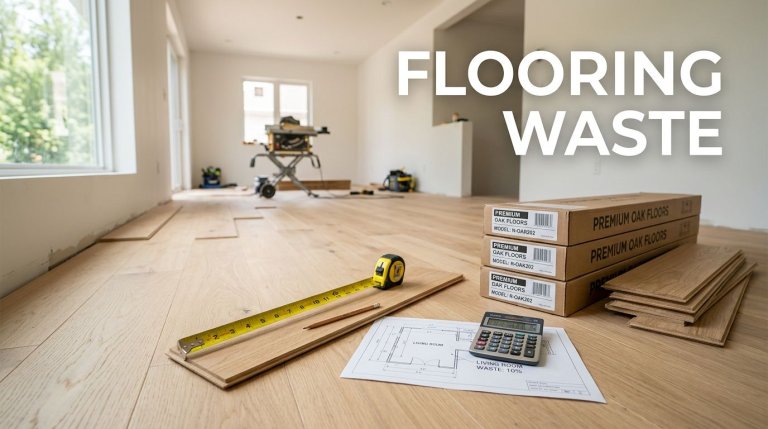
We recommend hardwood only after moisture testing shows that the crawl space and subfloor are dry and stable. The floor system should be measured before ordering boards, not after materials arrive.
Solid versus engineered hardwood
Solid hardwood can be sanded and refinished several times when it has enough thickness. It remains a strong long-term choice for dry main-level rooms over a sound plywood subfloor.
Engineered hardwood often handles ordinary humidity changes better because of its layered construction. However, it is not waterproof. Damaged veneers, wet seams, and moisture moving through the subfloor can still cause expensive repairs.
For homes in Windermere and nearby communities, Cumming Floors & Remodeling follows the same rule: correct moisture problems before installing or refinishing wood.
When sanding is smarter than replacement
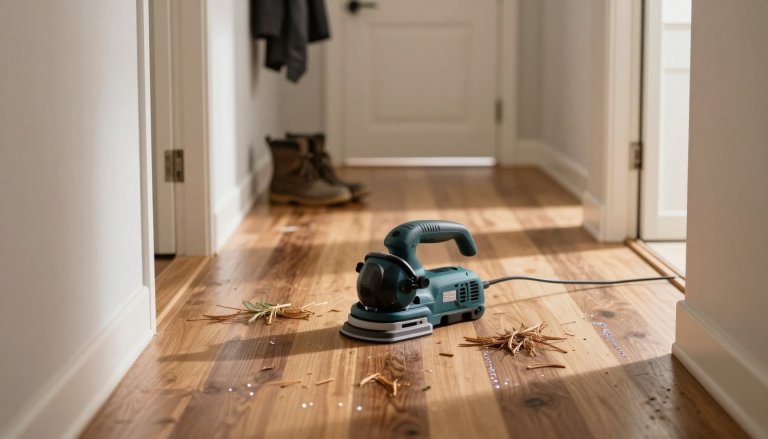
If existing solid hardwood has surface scratches, dull traffic lanes, or faded color, refinishing may offer better value than removal. Our hardwood floor sanding and refinishing services can restore sound boards without changing the floor height.
A screen and recoat works when the finish is dull but intact. It lightly abrades the existing finish and adds fresh polyurethane without removing wood. Deep water stains, black pet-urine marks, cupping, soft spots, and wide gaps need a fuller repair plan. Refinishing alone won’t correct active moisture, soft subflooring, black staining, or structural damage.
For complete sanding and refinishing in Cumming, typical pricing runs about $3.95 to $6.00 per square foot. A detailed estimate should explain whether board repairs, stain changes, and subfloor corrections are included.
Where Laminate and Carpet Create More Risk
In dry rooms, water resistant laminate flooring can be useful when spills are wiped up quickly. Vinyl flooring may offer more tolerance for surface spills in some rooms, but neither option corrects moisture below the floor. The laminate core remains the weak point.
Waterproof claims need careful reading
The rating for water resistant laminate flooring applies only under stated manufacturer conditions. It describes limited surface protection and seam performance, while a waterproof label suggests stronger material protection. Even waterproof laminate flooring doesn’t repair water intrusion or guarantee performance after a plumbing leak.
In crawl-space homes, we avoid water resistant laminate flooring in bathrooms, laundry rooms, and locations with recurring moisture. Once water damage swells the core, laminate flooring often can’t be sanded or repaired cleanly, so replacement becomes the likely outcome.
Carpet belongs in dry, controlled rooms
Carpet can feel comfortable in bedrooms, but it’s a poor choice for wet areas, including bathrooms, kitchens, wet basements, and rooms with an unresolved moisture history. Padding can hold water, odors, and residue from pet accidents, creating conditions for mold and mildew even after the carpet surface feels dry.
If you want carpet near a crawl space, first confirm that the structure is dry and controlled. Then choose dense padding and address spills promptly. A musty carpet smell shouldn’t be dismissed as ordinary wear.
Plan Kitchens, Bathrooms, and Basements as One Project
Flooring affects cabinet height, appliance clearance, stair nosings, door swings, and transitions. Those details matter when a small moisture repair becomes a larger renovation. A broader water management strategy should connect drainage, testing, ventilation, vapor control, and flooring selection.
Coordinate cabinet and flooring sequence
Nail-down hardwood usually goes in before cabinets. Floating vinyl and laminate should go in after cabinets, because fixed cabinetry can restrict their needed expansion movement. Product instructions can vary, so confirm the sequence with the manufacturer and installer.
Cumming Floors & Remodeling can help coordinate cabinets, flooring, and transitions in Cumming. This planning helps prevent installing a floor twice when one project includes the kitchen and bathroom. Plan transitions carefully where wet areas connect, especially between kitchens, bathrooms, laundry rooms, and basements.
Choose basement finishes with moisture in mind
A finished basement needs separate moisture testing because concrete can release vapor even when it looks dry. Water resistant laminate flooring may suit some spaces, but product claims do not eliminate the need for moisture testing.
Vinyl flooring, porcelain tile, and sealed concrete flooring may work below grade when slab conditions, substrate requirements, comfort, and intended use align. Sealing does not stop every source of vapor.
Our basement moisture testing guide explains why a dry-looking slab still needs testing before flooring goes down. If you are searching for a basement finishing company near you, ask for moisture readings, subfloor-prep details, and a clear plan for any failed test.
Cleaning and Maintaining Water-Resistant Floors
Routine cleaning protects finishes and floor edges, but it can’t correct subfloor movement, crawl-space moisture, or water intrusion. Sweep or vacuum grit often, since sand and dirt wear surfaces faster than most spills.
Use a damp microfiber mop and a cleaner approved for your product. For water resistant laminate flooring, follow the manufacturer’s cleaner instructions and moisture limits. Avoid soaking floors, flooding grout lines, steam-cleaning wood, or leaving wet mats at exterior doors. Wipe pet accidents and appliance leaks immediately.
For vinyl flooring and tile, inspect caulk, grout, and perimeter joints regularly. For hardwood, keep indoor humidity consistent and use felt pads beneath furniture. A floor that begins to cup or squeak needs inspection before it becomes a larger repair.
When you’re ready to install new flooring in Cumming, contact Cumming Floors & Remodeling through Cumming Floors at (770) 906-4732 for a local inspection or free estimate.
Frequently Asked Questions
What is the best flooring for a home with a damp crawl space?
Luxury vinyl plank, sheet vinyl, and porcelain tile can be practical choices after crawl-space moisture is corrected. The right material still depends on subfloor condition, room use, installation method, and how water reaches the floor.
Is waterproof flooring enough to protect a floor over a crawl space?
No. A waterproof or water-resistant surface cannot correct plumbing leaks, drainage problems, crawl-space humidity, vapor movement, or damaged subflooring. Moisture sources should be controlled and the floor system tested before installation.
Can hardwood be installed over a crawl space?
Hardwood can work when the crawl space and subfloor are dry, stable, and properly prepared. Engineered hardwood may handle ordinary humidity changes better than solid boards, but neither product is waterproof.
Is water-resistant laminate a good choice for bathrooms or laundry rooms?
We generally avoid water-resistant laminate in bathrooms, laundry rooms, and areas with recurring moisture. Water can reach the seams and swell the fiber-based core, while sheet vinyl, LVP, or porcelain tile may offer better tolerance for everyday exposure.
How should I maintain moisture-resistant flooring?
Sweep or vacuum regularly, clean with an approved product, and wipe spills or pet accidents promptly. Avoid soaking the floor, leaving wet mats in place, or ignoring new cupping, squeaks, odors, or movement underfoot.
Final Thoughts
Crawl-space moisture changes the flooring conversation because the problem begins below the finished surface. Drainage, ventilation, vapor conditions, subfloor condition, and installation method determine whether moisture resistant flooring can perform. It can’t replace crawl-space repairs, drainage correction, ventilation improvements, or subfloor remediation.
For many Cumming homes, LVP, sheet vinyl, or porcelain tile provides a safer path in moisture-prone rooms. Hardwood remains a strong choice for stable, dry living spaces after the floor system has been properly inspected.