Engineered Wood Wear Layer Thickness Explained (Durability, Resale, and Future Sanding)
When we shop for engineered wood flooring, the surface usually steals the show. Color, grain, wire-brush, matte finish, wide planks, all the fun stuff. Then we get to the spec sheet and see a number that feels tiny but changes almost everything: the engineered wood wear layer thickness.
Think of the wear layer’s top layer like the tread on a tire. It doesn’t stop you from driving today, but it decides the lifespan, how long you can keep driving before you need a replacement. The same idea applies to durability, resale confidence, and whether future sanding is even on the table.
Below, we’ll break down what the wear layer is, what “good” thickness means in real life, and how to choose the right build for your home in Cumming, Windermere, and nearby areas.
What the engineered wood wear layer actually is (and what it isn’t)
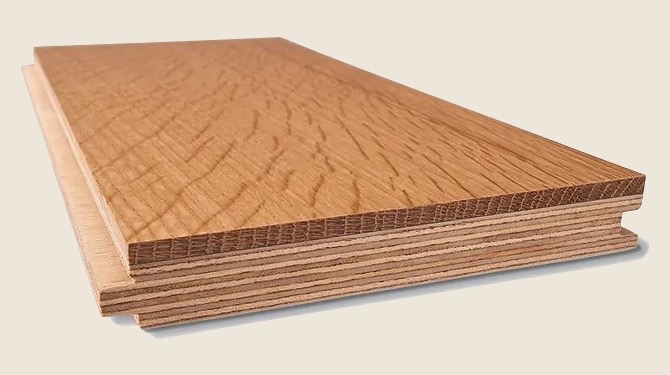
Engineered hardwood flooring is a layered product. The top is a real hardwood layer, also called the veneer layer; the middle is a core (often plywood layers, sometimes HDF); and the bottom is a balancing layer that helps stability.
The engineered wood floor wear layer is that real-wood top layer. It’s the part you see, clean, scratch, and potentially sand later. It’s measured in millimeters (mm), and it’s different from the total plank thickness (which might be 3/8-inch, 1/2-inch, or 5/8-inch). A thick plank can still have a thin wear layer.
Wear layer thickness vs. finish strength
A durable finish (aluminum oxide, UV-cured systems) helps resist everyday scuffs, but it doesn’t replace wear layer thickness. The finish is the clear coat; the wear layer is the actual wood you’d be sanding if you ever refinish.
So when people ask us, “Will this floor last?”, we answer with two questions:
- How thick is the wear layer?
- How will the home live on it (kids, dogs, chairs, entertaining)?
Wear layer thickness drives refinish potential, but the core drives stability. In North Georgia, we see humidity swings and seasonal movement. A well-made plywood core tends to handle those changes with better moisture resistance than lower-grade options, especially in open floor plans or over less-than-perfect subfloors.
For a deeper primer on how overall engineered thickness and wear layer work together, we like this homeowner-focused overview: engineered hardwood thickness basics.
Wear layer thickness ranges, and how they affect everyday durability
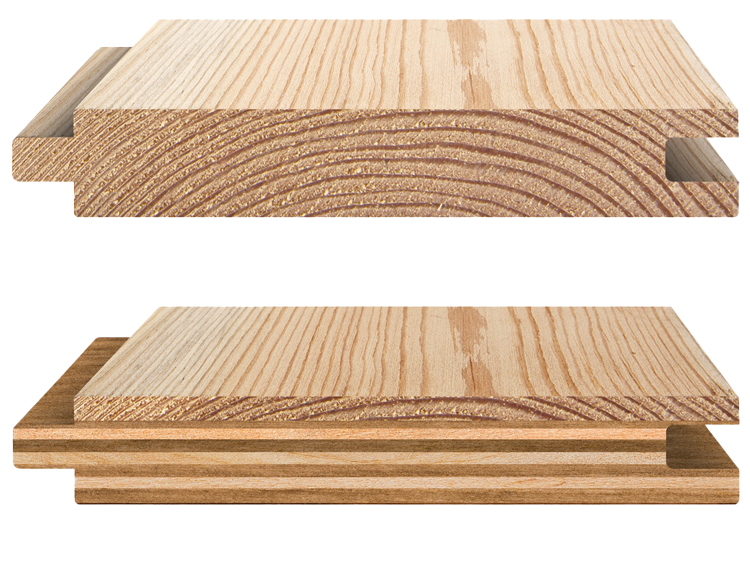
A thicker engineered wood wear layer doesn’t make a floor “scratch-proof.” Scratches usually happen in the finish first. But thickness changes what happens after years of life: whether you can renew the floor instead of replacing it.
Here’s a practical way to think about common wear layer ranges in residential settings:
Wear layer thicknessBest fit forWhat to expect long-term2mm wear layerLow-traffic rooms, short ownership horizonsOften limited refinish options; plan on careful maintenance3mm wear layerMany family homes, moderate trafficMay allow a limited sanding in the future (product dependent)4mm wear layerLong-term ownership, high-traffic areas, resale-minded upgradesMore room for future sanding, more forgiving over decades
A quiet home can still punish floors with everyday foot traffic. High heels, rolling desk chairs, dog nails, grit from the garage, and unpadded furniture legs are the usual culprits. The best protection is simple: felt pads, entry mats, and regular vacuuming.
But when wear finally shows, a thicker wear layer gives us more options. Instead of living with dull zones forever, we can often refresh the look with professional refinishing steps that match the floor’s construction.
Not all wear layers behave the same during sanding. Some veneers are sawn (more like a traditional board), while others can be sliced or rotary-peeled. The manufacturing method can affect how the grain looks and how the face responds to aggressive sanding. If sanding later matters to you, we recommend asking directly how the top veneer is made, not just how thick it is.
Future sanding and refinishing, what’s possible (and what’s risky)
Homeowners often tell us they want engineered hardwood “because it’s stable,” but they also want to “sand it later like solid hardwood.” Both can be true, but only if the wear layer and product design support it.
Sanding vs. screen-and-recoat
There’s a big difference between:
- A full sand and refinish (removing finish and some wood to flatten and renew)
- A screen-and-recoat (light abrasion of the finish, then a new top coat)
A screen-and-recoat, also called a maintenance coat, can extend life without removing meaningful wood, but it won’t fix deep dents or big height differences. A full sanding does remove material, and that’s where the wear layer thickness becomes a hard limit.
How many times can engineered hardwood be sanded?
We avoid promising a magic number because it depends on the floor, the flatness, the existing damage, and the sanding method used. Still, as a rule of thumb, thicker wear layers generally allow more refinish opportunities over the decades, while thinner wear layers push you toward recoats and careful maintenance.
If you’re calling a hardwood floor sanding company Cumming homeowners rely on, this is one of the first things we’ll verify before recommending sanding. When refinishing hardwood floors, we take professional steps to refresh the look safely. If there isn’t enough real wood to work with, sanding can cut through the veneer, and that’s a permanent problem.
Resale value, buyers notice “refinishable”
In competitive markets, buyers love confident answers. If we can tell a buyer (with paperwork) that the floor has a thicker engineered wood wear layer and can be refinished, that’s a value signal. It doesn’t always show up as a clean line item in an appraisal, but it often shows up in buyer comfort and fewer objections during inspection.
This matters even more when flooring ties into a bigger project, like remodeling kitchen and bathroom Cumming Ga homeowners plan before listing. New counters and tile look great, but floors connect everything. A refinish-friendly floor can make the whole home feel “kept,” not just “updated.”
Choosing the right wear layer for your home in Cumming and Windermere
When we help people install new flooring Cumming homes, we try to match the floor to the way the home will be used, not just what looks good in a sample.
Our simple decision framework
If you plan to sell soon: A mid-range wear layer can be fine, as long as the floor is reputable, installed correctly, and looks consistent across rooms.
In case you plan to stay 10-plus years: We lean toward a thicker wear layer in engineered hardwood because it keeps future options open.
If you have pets and kids: Thickness helps later, but daily protection helps now, unlike commercial environments with heavier traffic. Choose a wood species and finish that hide wear well, and use mats and pads from day one.
Why seeing samples at home changes decisions
Under showroom lighting, many floors look similar. Under your lighting, they don’t. We’ve seen homeowners switch from a cool-toned “gray oak” to a warmer natural finish once they see it beside their paint, cabinets, and sunlight. Bringing multiple samples into the home also helps you spot the difference between “thin veneer that looks great today” and “wear layer built for later.”
If you’re comparing a hardwood floor Cumming upgrade to waterproof options like LVP, this is also where you’ll feel the difference underfoot, not just see it; engineered wood offers good moisture resistance even if it is not fully waterproof.
For Windermere homeowners
As a Windermere hardwood floor service company, we often work in open layouts where engineered wood flooring runs long distances and connects into kitchens. That’s where stable construction and smart acclimation matter, along with a wear layer that fits your long-term plans.
Conclusion
Wear layer thickness isn’t a boring spec, it’s your floor’s “reset button.” A thicker engineered wood wear layer can protect resale confidence and keep sanding on the menu, while a thinner wear layer asks you to plan around recoats and careful upkeep.
If you want a free estimate, call (770) 906-4732. If you show us any existing quote from another contractor, we’ll do it 5% less.